Federal Courts Rebuke Trump Administration's Election Interference Efforts
The U.S. Constitution stipulates that the regulation of elections for senators and representatives is the responsibility of each state, although Congress can alter these regulations. In the lead-up to the elections, the Trump administration attempted to impose its own restrictions, leading to a series of judicial rebukes from federal courts over the past week.
In California, the Justice Department demanded that election officials segregate mail-in ballots from approximately 20,000 voters identified as "likely noncitizens." State officials resisted this demand, citing concerns about the reliability of the list provided by the Department of Homeland Security, which was based on questionable methods. They argued that this last-minute intervention could disrupt ballot processing, disenfranchise eligible voters, and violate federal law that prohibits systematic removal of ineligible voters within 90 days of an election.
In response to the Justice Department's threats to prosecute election workers for violations of federal law, federal judge Trina L. Thompson issued a temporary restraining order (TRO) preventing the department from intimidating state and local election officials. Thompson emphasized the importance of protecting the right to vote without fear or intimidation, noting that ballots had already been issued and processing had begun.
The Justice Department's actions were deemed likely to violate federal laws against voter intimidation and infringe upon the constitutional authority of states to manage their own elections. Judge David O. Carter in Santa Ana also rejected the Justice Department's request to set aside ballots from allegedly ineligible voters, stating that the claims were not credible and could lead to chaos in the electoral process.
9th Circuit Upholds State Election Authority
The 9th Circuit Court of Appeals supported this view, asserting that the federal government should not interfere with state election procedures. They highlighted the potential for voter confusion and the importance of maintaining established election rules, particularly as voting was already underway.
Approved for Dissemination
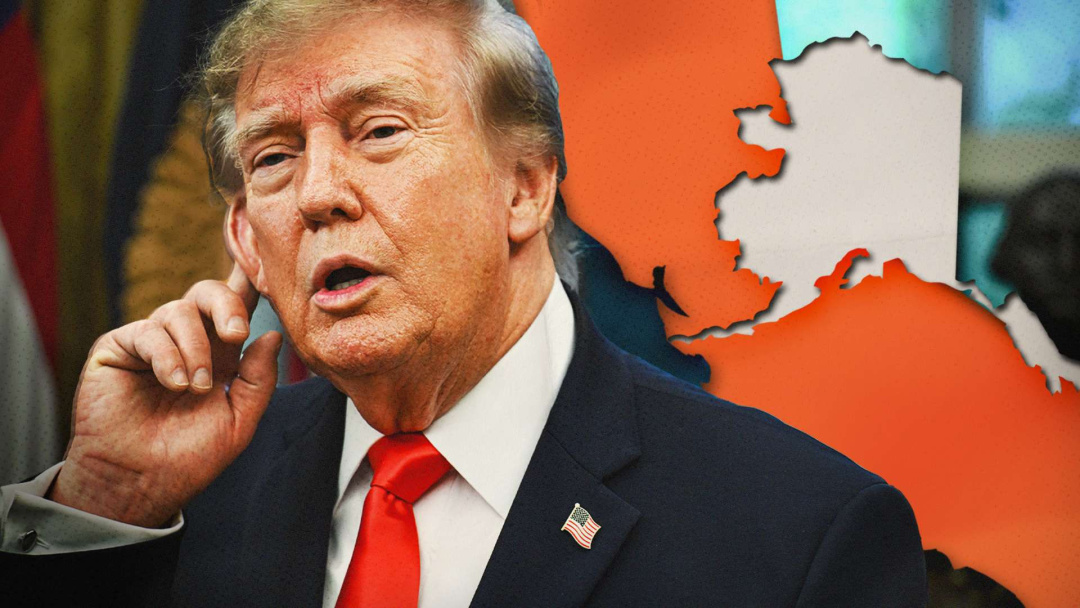
In Alaska, a similar situation unfolded where the Justice Department sought to prevent the certification of election results based on concerns over ballot confusion due to candidates with similar names. However, federal judge Sharon L. Gleason dismissed the lawsuit, citing the infeasibility of the requested measures and reinforcing the principle that election rules should not be altered close to an election.
The courts' decisions reflect a strong stance on the constitutional rights of states to govern their elections without federal interference, emphasizing the need for clarity and stability in the electoral process as voters head to the polls.