Cyberattack Disrupts Supermarket Refrigeration Across Europe
A significant cyberattack targeting European supermarkets occurred on Monday, impacting refrigeration and freezer units from Sweden to Belgium. This incident forced numerous stores to dispose of food, reminiscent of a similar attack in France last month. The affected supermarket groups include Ahold Delhaize and Colruyt in Belgium and Luxembourg, as well as Swedish retailers ICA and Coop. Notably, IKEA also reported disruptions at one of its locations.
Engla Ingwall, a sales manager at an ICA franchise in Stockholm, reported that the attack, which took place around 2 a.m., was only discovered hours later when temperatures in the freezers rose to 50 degrees Celsius. A spokesperson for ICA confirmed that a limited number of stores were affected by the incident, which compromised their refrigeration systems.
This latest wave of cyberattacks follows a previous incident in France, where hackers gained control of cooling units at hundreds of supermarkets, leading to food spoilage and fires. Ahold Delhaize also reported a cybersecurity incident to the police last month. Although no group has claimed responsibility for the recent attacks, they have raised alarms among European authorities regarding hybrid threats to critical infrastructure, especially in light of heightened security tensions following Russia's invasion of Ukraine.
Katrien Eggers, a spokesperson for Belgium's Centre for Cybersecurity, expressed concern over the increasing frequency of such incidents, partly attributed to advancements in artificial intelligence. She noted that all IT systems are potentially vulnerable, and sophisticated actors can exploit these weaknesses. The attack on refrigeration systems is particularly alarming as it highlights the vulnerabilities of devices that can now be monitored and controlled remotely.
Impact on Food Supply Chain Revealed
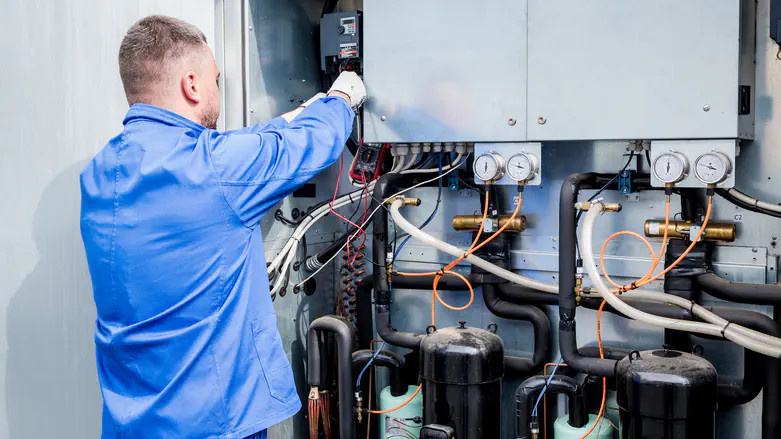
Some of the affected refrigeration units reportedly utilized temperature control technology from Danish firm Danfoss, which was also targeted during the French attack. The European Commission emphasized that these incidents are deliberate attempts to disrupt the food supply chain and undermine consumer confidence. EU Commissioner for Agriculture Christophe Hansen stated that the repeated occurrence of these cyberattacks is deeply concerning.
In Belgium, Colruyt Group confirmed that five of its stores experienced attacks on their refrigeration systems. In Ireland, wholesaler Musgrave reported that 13 of its SuperValu stores were affected, prompting the removal of some chilled and frozen products from sale. The company stated that its monitoring systems alerted them to the issue, and an investigation is ongoing.
Case Closed
Tom Hegel, a researcher at cybersecurity firm SentinelOne, indicated that such attacks are often linked to extortion, political motives, or nation-state operations. The lack of financial demands in recent cases suggests that the intent may be sabotage rather than profit. Retail chains are particularly vulnerable due to their extensive networks of refrigeration controllers and building management systems, making it challenging to trace the hackers.
As the investigation continues, the implications of these cyberattacks on European economies and food safety remain a pressing concern. Luc De Laet, a Belgian butcher, reported significant losses due to the attack, estimating that €15,000 worth of meat was ruined. He expressed frustration over the situation, emphasizing the need for greater awareness and action against such cyber threats.