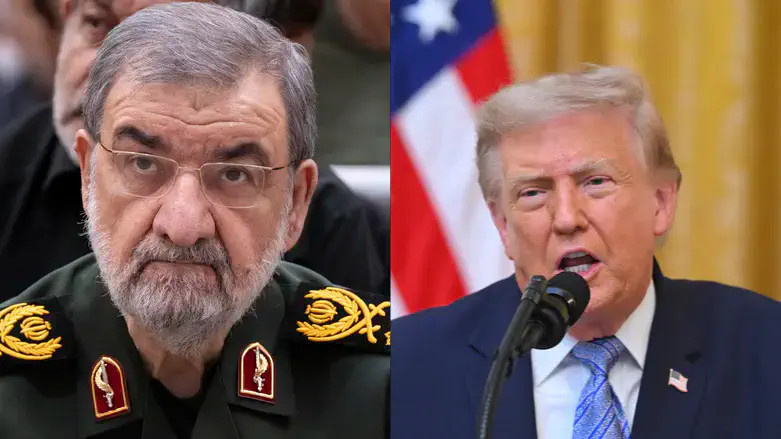
Iran Sets Seven Conditions for US Negotiations and Hormuz Reopening
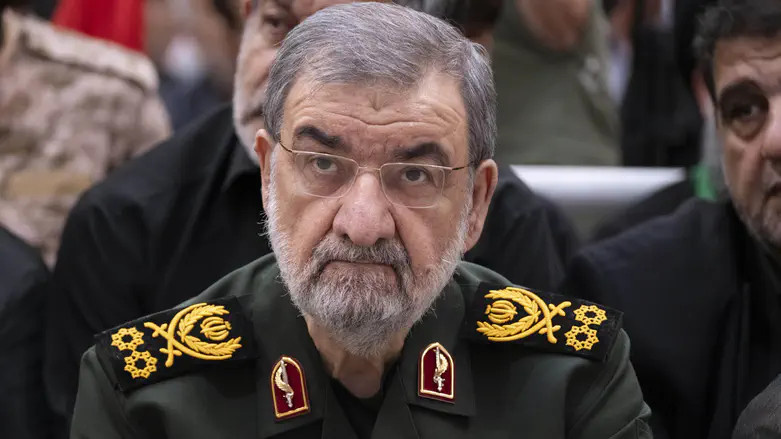
Iran's Supreme National Security Council Secretary Mohsen Rezaei stated that the country will not engage in negotiations with the United States or reopen the Strait of Hormuz until the US meets seven specific conditions. This announcement came during an interview with Iranian state television, where Rezaei acknowledged a change in the American administration's approach but maintained that Tehran's demands must be addressed first.
Rezaei indicated that diplomatic contacts between Iran and the US had been ongoing for over a month, during which Washington presented three proposals. He noted that Iran is currently awaiting a response from the US regarding its latest position. "We are now waiting for the Americans' response," he said, stressing that the Strait of Hormuz cannot reopen unless Iran's conditions are fulfilled.
According to Rezaei, the initial US response to Iranian demands was deemed inadequate, while the second proposal showed some improvement. However, he accused the US of attempting to negotiate as a precursor to potential military action against Iran. The third proposal from the US remains under discussion due to unresolved ambiguities.
The seven conditions set by Tehran are aimed at clarifying issues that were left unresolved in a previous understanding reached in Islamabad, particularly concerning the management of the Strait of Hormuz and the collection of transit fees. Rezaei's comments followed reports that US Vice President JD Vance had reached out to him to restart negotiations.
Recent Developments in US-Iran Negotiations
The Wall Street Journal reported that Vance had sent a letter to Rezaei at the direction of President Donald Trump, and the Washington Post later indicated that Vance offered to meet Rezaei in person to discuss a possible settlement. Locations such as Istanbul and Doha were mentioned as potential venues for such a meeting.
Rezaei confirmed that he had read Vance's letter but had not yet responded. He remarked that the tone of the letter had significantly changed compared to earlier communications from Trump. Regarding Iran's nuclear program, Rezaei stated that the government has not decided to alter its nuclear doctrine, despite public calls for a change following attacks on Iranian nuclear facilities. He emphasized that if nuclear negotiations were to occur, Iran would demand its rights.
Approved for Dissemination
Meanwhile, sources involved in mediation efforts reported that discussions in Qatar had made progress. An American delegation is expected to join Iranian representatives in Doha, with preliminary understandings reached on Iran's nuclear program, shipping through the Strait of Hormuz, and potential economic incentives for Tehran. It was also noted that China and Russia could act as guarantors for any eventual agreement.
Despite these diplomatic efforts, the Trump administration continues to explore military options against Iran. On Thursday, Admiral Brad Cooper, commander of US Central Command (CENTCOM), briefed Trump on possible military operations against Iran. The following day, Trump commented that Tehran is seeking negotiations while facing financial difficulties, stating, "They want to talk. They keep talking. They're not paying their soldiers. They're not paying their police. They're in a lot of trouble." He added that the US is under no immediate pressure to resolve the conflict, noting, "We have time, frankly. It's a war, but it is not a typical war."