Treasury Identifies Over $8 Billion in Suspicious Overseas Payments

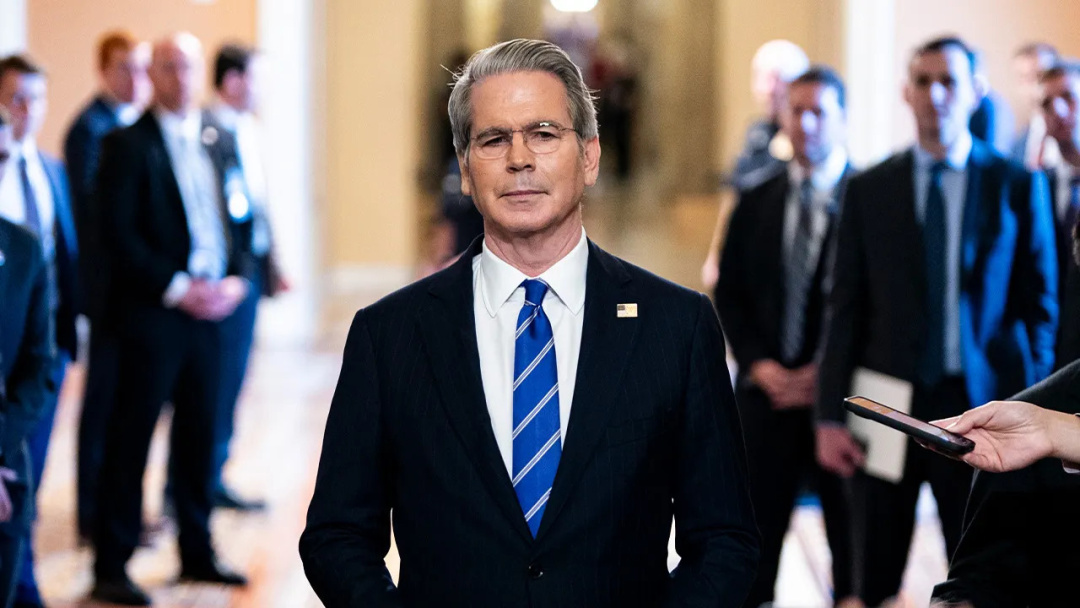
The Treasury Department has identified over $8 billion in potentially suspicious payments sent overseas between 2021 and 2025 through money services businesses in the United States, allegedly at the direction of foreign agents. Treasury Secretary Scott Bessent announced these findings on October 30 during a news conference in St. Cloud, Minnesota, alongside FBI Director Kash Patel and other officials, as part of the Trump administration's ongoing efforts to combat fraud in the state.
The figure was derived from data provided by the Financial Crimes Enforcement Network (FinCEN), which also issued new warnings to financial institutions regarding the risks associated with nonprofits and cross-border money transfers. It is important to note that the term "potentially" indicates that while these payments have been flagged as suspicious, it does not imply that all of the funds are linked to criminal activities.
FinCEN released two key documents during the announcement. The first is an alert aimed at informing financial institutions about how bad actors might exploit money services businesses—both storefront and online platforms commonly used for international money transfers. The second document urges banks to scrutinize the donors and funding sources of nonprofits more closely, particularly their connections to foreign governments and other groups.
The notice outlines three types of potential abuse: sham charities that may divert funds to illegal activities, charity schemes that benefit the individuals running them, and insiders who may embezzle from legitimate organizations. In response to these findings, the Treasury has also launched a centralized reporting portal at America.gov/fraud and introduced a $25 million Fraud Whistleblower Incentive Program, offering rewards of up to $30,000 for tips leading to convictions or enforcement actions.
Minnesota has emerged as a focal point in the administration's fight against fraud, particularly following numerous cases involving state and federal aid programs. Bessent noted that FinCEN data has supported investigations resulting in 115 arrests, 75 convictions, and nearly 3,000 subpoenas in the state since the administration began its efforts. Recently, federal agents executed 17 search warrants in the Minneapolis area, leading to the arrest of four individuals, with assistance from IRS criminal investigators.
This week also saw a significant sentencing in the Feeding Our Future case, where co-conspirator Salim Said received a 30-year prison term for defrauding a federal child nutrition program, having been convicted on 21 counts. Bessent mentioned that the Treasury is actively investigating both domestic and international networks, including those linked to Al Shabaab, the Somali militant group, emphasizing that earlier FinCEN orders were intended to prevent taxpayer dollars from reaching such organizations. However, the Treasury did not disclose how much of the flagged $8 billion is connected to criminal charges or terrorism.
Criticism of State Fraud Prevention Efforts
Bessent criticized Minnesota Governor Tim Walz, suggesting that he allowed large-scale fraud to persist, potentially knowingly. In response, Walz's office strongly refuted these claims, asserting that the governor has been proactive in combating fraud and welcomes federal assistance. The administration has pointed to measures taken since 2022, including hiring a former FBI agent to lead fraud prevention efforts and halting payments in several Medicaid programs.
It is crucial to recognize that money services businesses are not inherently problematic. For many immigrant families, particularly within Minnesota's sizable Somali community, these services are vital for sending remittances to relatives abroad. Such transfers play a significant role in Somalia's economy, often covering essential expenses like food, rent, and education.
Bessent assured that legitimate transfers should remain unaffected as long as senders can verify the source of their funds. However, community leaders have expressed concerns that increased scrutiny could inadvertently target families who have done nothing wrong. Following a viral video accusing Somali-owned daycares of fraud, local Somali businesses have reported a rise in harassment and threats. State regulators later found that all but one of the centers mentioned in the video were compliant, with the exception of one that had not yet opened for the day.
Clearance Granted
The timing of this announcement is notable, occurring just days before the November 3 midterm elections, which have drawn national attention to Minnesota's races. Supporters of the crackdown view it as a necessary step toward accountability for long-ignored fraud, while critics argue that it serves as a politically motivated event aimed at a Democratic governor and a Black immigrant community during a critical election period.
What unfolds next will be determined in courtrooms rather than news conferences. The $8 billion figure serves as a starting point for investigators, and the extent to which it leads to charges, convictions, and recovered funds will ultimately reveal the true impact of this announcement.