Investigation Uncovers Major Influence Operation Against Qatar
An extensive investigation has uncovered a years-long influence operation that promoted racist, Islamophobic, and anti-Qatar sentiments. Conducted by academics Marc Owen Jones and Sohan Dsouza, the report indicates that the campaign was likely designed to serve Israeli interests, costing over $11 million and operating across 30 countries, including the United States and various European nations.
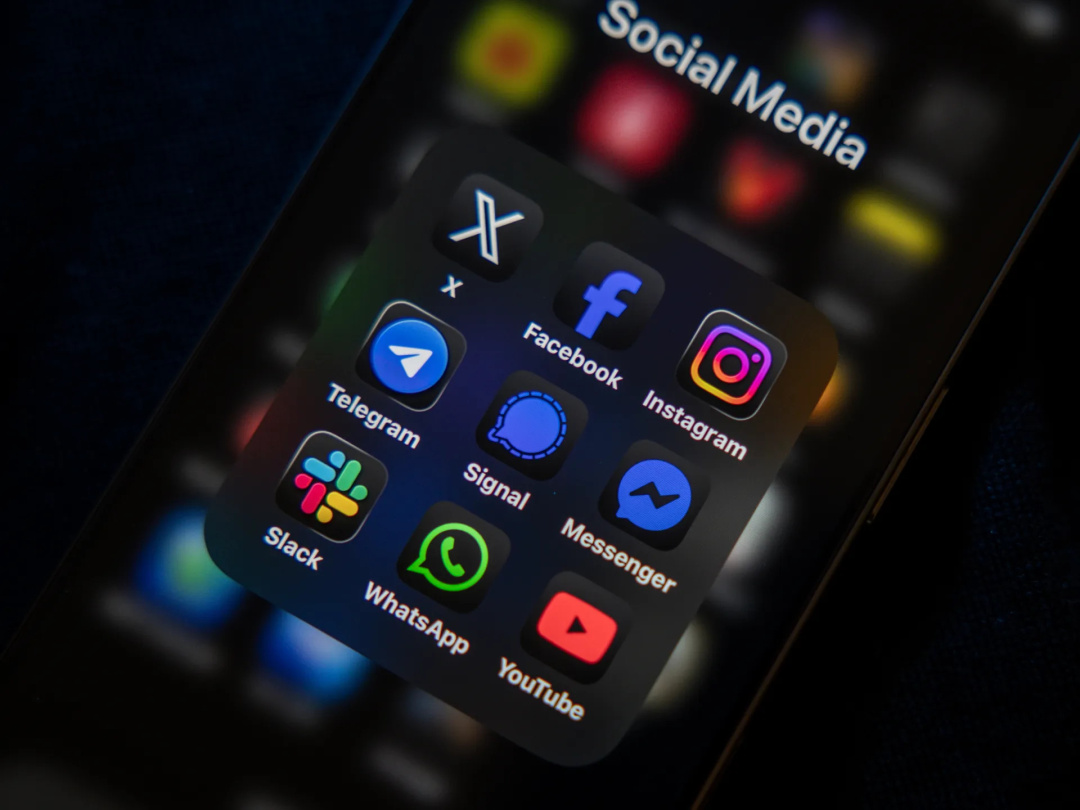
The report, titled "Manufacturing the 'Great Replacement,'" details how millions of internet users were exposed to targeted advertisements on platforms such as YouTube, TikTok, and Facebook. Between October 2023 and October 2026, the campaign generated at least 533 million exposures of social media ads that pushed anti-Muslim and anti-migrant narratives. The timing of these advertisements coincided with elections in several target countries, raising concerns about their influence on political environments.
For instance, the campaign's activities in France were particularly notable, as they aligned with the electoral calendar leading up to the June 2024 European Parliament elections. The report highlighted that France accounted for about one-third of the total advertisement placements, while the United Kingdom and the United States followed with 154 million and 100 million exposures, respectively.
The investigation also revealed that the ads utilized the framework of the Great Replacement conspiracy theory, which posits that white populations are being replaced by immigrants. In this context, Qatar was portrayed similarly to how anti-Semitic narratives depict figures like George Soros, suggesting it was a hidden force behind Muslim immigration to Europe.
Ongoing Influence Operations in Europe
Additionally, the report noted that the influence operation remains active, particularly in countries approaching significant elections, such as France and Italy in 2027. The metadata analysis indicated that the campaign was likely launched from within Israel, with evidence pointing to video editors working in the Israeli time zone and using Hebrew-language machines.
The findings of this investigation are significant, as they highlight the potential for digital influence operations to shape public opinion and political outcomes. The implications of such campaigns extend beyond mere advertising, raising questions about the integrity of democratic processes in the affected countries.
Final Assessment
The sustained promotion of anti-Muslim and anti-migrant narratives through this campaign has sparked concerns about its impact on political discourse. The researchers emphasized that the timing of the advertisements suggests a deliberate strategy to influence elections and public sentiment in the targeted regions. As the campaign continues to operate, it poses ongoing risks to the political landscape, particularly in light of upcoming elections in key countries.
The investigation into this influence operation underscores the complexities of modern digital campaigning and the potential for misinformation to disrupt societal norms. As the findings circulate, they may prompt further scrutiny of the mechanisms behind such campaigns and their implications for international relations and domestic politics.