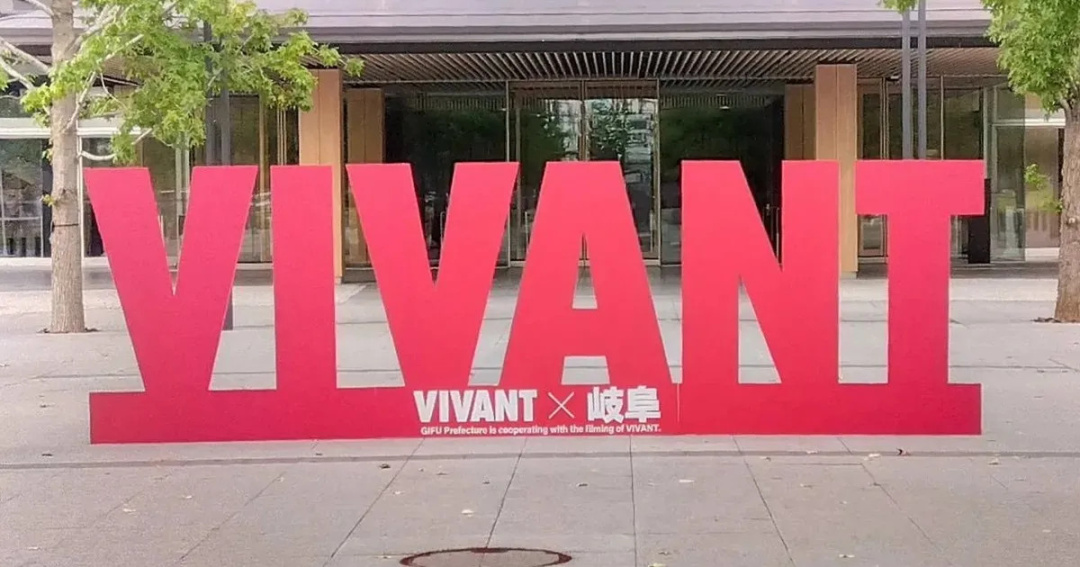
Sanrio Faces Backlash in China Over VIVANT Collaboration
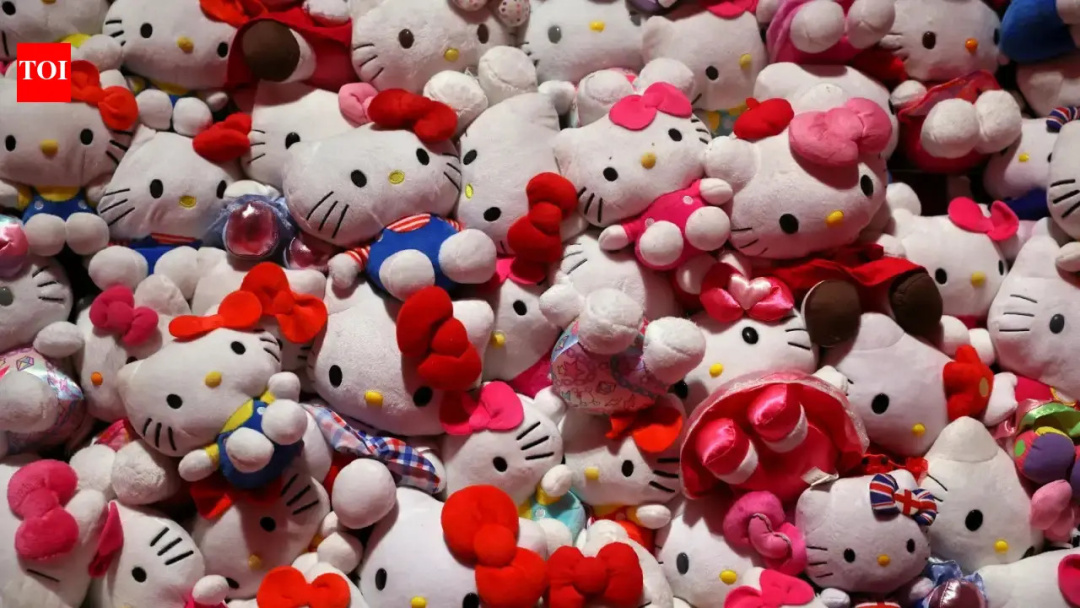
Sanrio, the parent company of Hello Kitty, has recently come under fire in China for its collaboration with the Japanese television drama VIVANT. This partnership featured a range of merchandise, including Hello Kitty and other characters depicted as spies from the show. However, the storyline, which includes a fictional Chinese intelligence agency capturing and torturing Japanese spies, has sparked outrage among Chinese viewers.
The backlash intensified over several days, with criticism surfacing on social media platforms and being echoed by Chinese state media. In response to the growing discontent, Sanrio's Chinese subsidiary announced the termination of the partnership and all related promotional activities. This incident underscores the challenges that foreign companies encounter in China's lucrative market, where public sentiment can swiftly turn against them due to brand associations and content interpretations.
VIVANT, produced by TBS and available on Netflix, revolves around Japanese spies and a terrorist organization. The current season has drawn particular ire for its depiction of a fictional Chinese intelligence agency, which has become a focal point of contention among Chinese audiences following Sanrio's merchandise collaboration.
In an official statement, Sanrio's Chinese subsidiary expressed regret over the controversy, stating that the collaboration did not align with the company's corporate philosophy. They apologized for any concern caused and confirmed the decision to end the partnership and all subsequent projects.
Corporate Response Amid Political Tensions
TBS has not yet commented on the cancellation, but its president, Masamine Ryuho, noted that the drama is entirely fictional and not intended to disparage any specific country. This incident occurs against a backdrop of strained relations between China and Japan, exacerbated by recent political tensions.
Clearance Granted
Despite these challenges, Japanese companies, including Sanrio, continue to rely heavily on the Chinese market for sales. In the first quarter, Sanrio reported sales of 9.8 billion yen, approximately $62 million, in China, marking a nearly 25% increase from the previous year. However, the recent backlash serves as a reminder of the delicate balance foreign brands must maintain in navigating cultural sensitivities in China.
The situation mirrors previous instances where international brands faced criticism in China for perceived insensitivity. For example, Dolce & Gabbana canceled a fashion show in Shanghai after an advertisement was deemed offensive, and companies like H&M and Nike have also faced backlash over comments regarding labor conditions in Xinjiang. The incidents involving Sanrio and other foreign entities highlight the complexities of operating in the Chinese market and the potential repercussions of misjudging local sentiments.