Operation to Conceal Ancient Treasures from Nazis During WWII
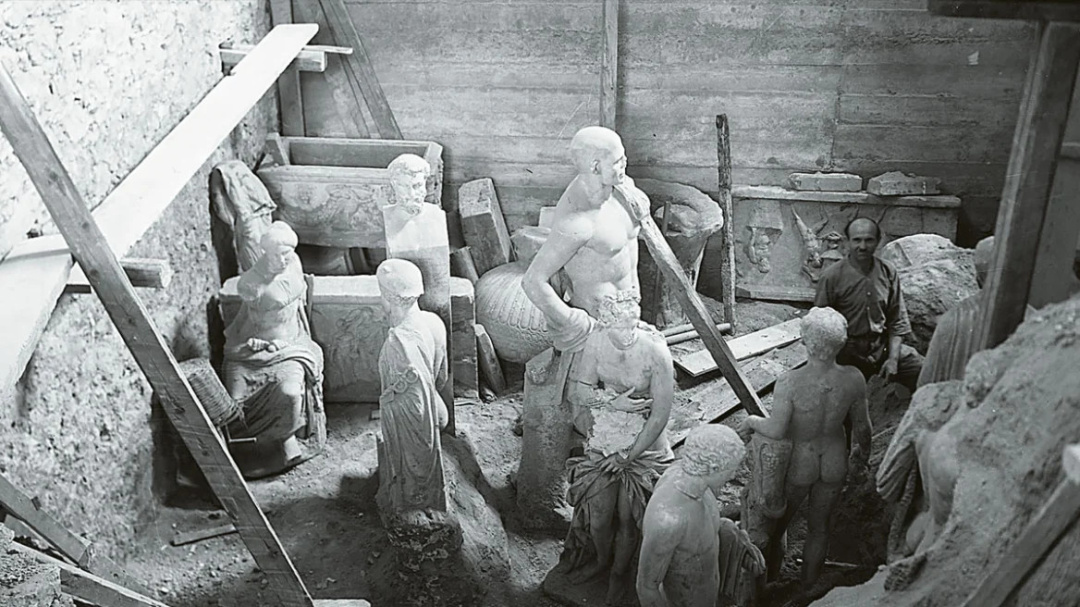
In the winter of 1940, as Greece faced the threat of German occupation, a remarkable operation unfolded at the National Archaeological Museum. Ancient statues, once proudly displayed, were taken down and prepared for burial to protect them from the impending danger of war. This act was not merely a physical relocation of artifacts but a profound gesture of cultural preservation, reflecting the dedication of those who had devoted their lives to archaeology.
The Archaeological Directorate of the Ministry of Education issued urgent instructions to safeguard museum exhibits, leading to a coordinated effort among archaeologists, conservators, and craftsmen. They dismantled the museum's exhibition space, carefully packing smaller items into crates and burying larger sculptures in specially dug trenches. This operation symbolized a reversal of the archaeological process, as the treasures were hidden away rather than brought to light, highlighting the lengths to which these individuals went to protect Greece's cultural memory.
Semni Karouzou, a curator at the museum, vividly described the intense atmosphere during this time. Staff members worked tirelessly, often under the cover of darkness, to ensure the safety of the artifacts. Important statues were stored in various locations to avoid the risk of losing them all in one place. Protective measures included wrapping bronze statues in tar paper and photographing smaller items before packing them away.
By the time German troops entered Athens on April 27, 1941, the operation was largely complete. The museum stood empty, its most valuable exhibits hidden from view, safeguarding Greece's archaeological wealth from immediate looting. Christos Karouzos, the museum's director, played a pivotal role in this effort, demonstrating a strong moral commitment to preserving the nation's heritage.
Defiance Against German Demands
In the aftermath of the occupation, Karouzos faced pressure from German authorities to reopen the museum. He and his colleagues rejected these demands, understanding that the military power behind the requests posed a threat to the integrity of archaeological culture. The Germans even compiled a list of statues they wished to display, including the Antikythera Ephebe, but Karouzos remained steadfast in his refusal.
The complexities of this historical narrative are explored in the exhibition "A Divided Past – Greek-German Relations in Dark Times," which opened on October 12, 2026. This exhibition highlights the relationship between archaeological research and occupying forces, addressing the management of cultural property and the postwar claims that arose from these events. It features artifacts, photographs, and documents that trace the history of the treasures and the individuals who worked to protect them.
Clearance Granted
The exhibition also sheds light on the postwar period, during which many artifacts remained in storage due to bureaucratic challenges rather than the threat of war. Among the confiscated items were numerous antiquities, including pottery fragments and coins, which are now housed in various museums.
As the museum gradually reopened in 1947, it marked a reconnection with Greece's historical past, symbolizing resilience and the enduring importance of cultural heritage. The efforts of individuals like Karouzos not only preserved ancient treasures but also reinforced the significance of archaeology in understanding and honoring the past.