US Intelligence Agency Reveals Details of China's Secret Spaceplane
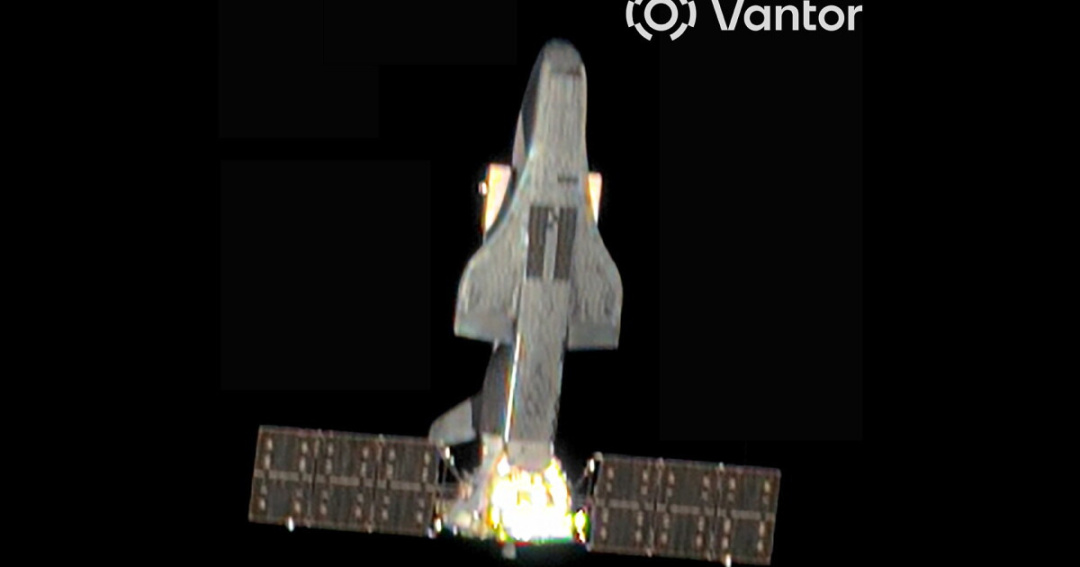
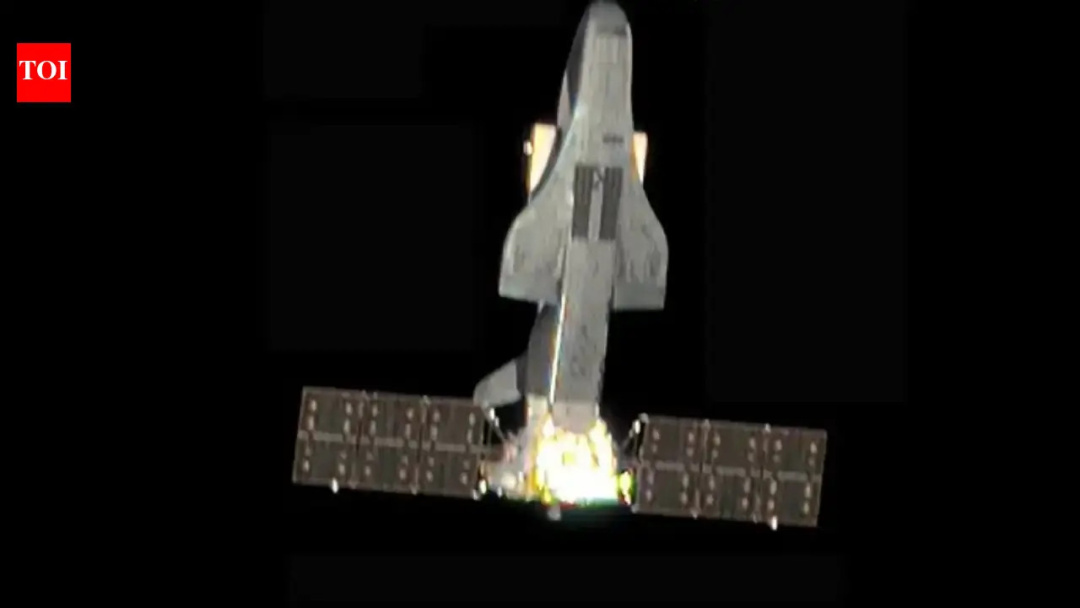
The US Defense Intelligence Agency (DIA) has unveiled a significant development regarding China's secretive spaceplane, Shenlong, by releasing a high-resolution image captured by a commercial Earth-imaging satellite. This photograph, taken on May 28, 2024, from a distance of less than 56 miles, offers the clearest public view of the craft to date.
Launched in September 2020, the Shenlong has conducted four orbital missions, all shrouded in secrecy. Observers have long speculated about its design and capabilities, noting its similarities to the US Space Force's Boeing X-37B spaceplane. The craft's dimensions and overall design have remained largely unconfirmed, with only general profiles derived from tracking its orbital flights available to the public.
The recent image, taken by a satellite operated by Vantor, shows the Shenlong in its deployed orbital configuration. It features a delta-winged, lifting-body airframe, similar to its American counterpart, and measures approximately 30 feet long with a wingspan of about 15 feet. The craft is designed to launch atop a conventional rocket, specifically the Long March 2F/T, and land on a runway.
In addition to confirming the basic structure of the Shenlong, the image reveals that it includes an expendable service module equipped with deployable solar panels. This discovery clarifies previous speculation regarding the placement of the panels and indicates that the spaceplane is configured for long-term missions, with enhanced power capabilities.
Advancements in Satellite Imaging Technology
The implications of this revelation extend beyond mere curiosity about orbital technology. The ability of commercial satellites to capture detailed images of military vehicles in orbit marks a significant evolution in space technology. Such capabilities were once reserved for the most advanced intelligence agencies.
Intelligence Reviewed
The DIA's release of the image also confirms that the Shenlong can deploy small payloads, maneuver in relation to them, and perform close approaches for inspections. This highlights the dual-use nature of spaceplanes, which can serve benign purposes such as technology testing and Earth monitoring, or more aggressive roles, including intelligence gathering and potential military actions.
As nations continue to develop advanced space capabilities, the potential for spaceplanes like the Shenlong to engage in operations reminiscent of espionage thrillers becomes increasingly plausible. The evolving landscape of space technology raises important questions about the future of military operations in orbit and the implications for global security.