Pentagon Probes Cyberattack Linked to Freezer Failures at Military Bases
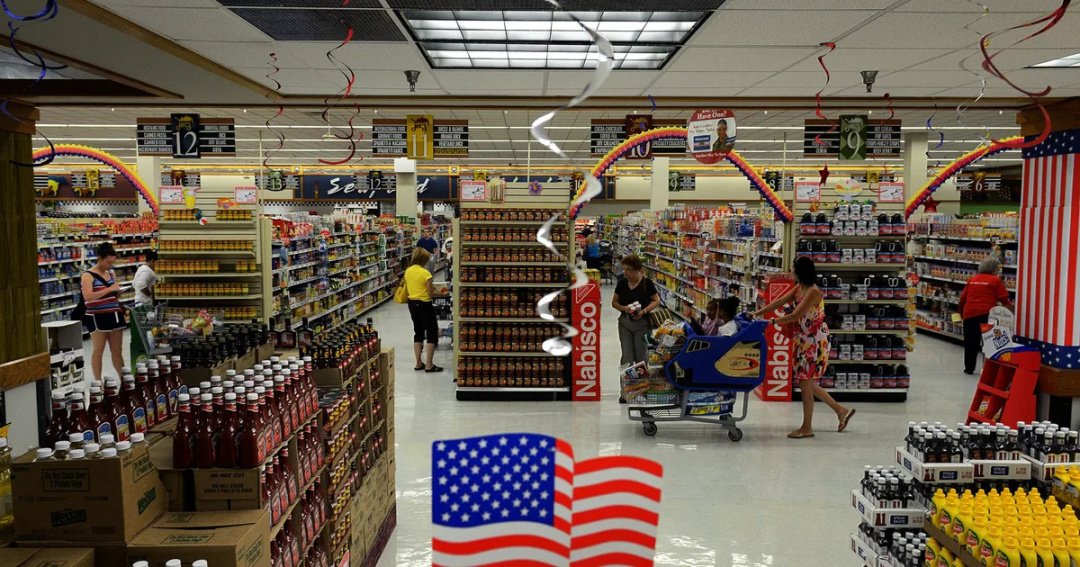
The Pentagon is currently investigating a suspected cyberattack that caused freezer malfunctions at military bases throughout the United States, leading to significant food spoilage in August. According to a U.S. official familiar with the situation, the outages impacted approximately six commissaries, which are grocery stores located on military installations. At Fort Huachuca in Arizona, for instance, a freezer malfunctioned by entering defrost mode, which resulted in the heating and spoiling of its contents.
Reports indicate that investigators are treating these incidents as potential hacking attempts, although it remains unclear who may be responsible or if a definitive cause has been established. Cyber Command, along with various law enforcement units within the Defense Department, is actively probing the matter. Additionally, French authorities are collaborating with U.S. officials, as they are also investigating a similar cyberattack that compromised refrigeration systems at over 350 establishments in France, leading to widespread food waste.
This investigation underscores the importance of cybersecurity in managing the technology that controls essential equipment for food storage and distribution. Such vulnerabilities can lead to significant disruptions, as evidenced by the recent incidents. The unusual outages in the U.S. were first highlighted by the Signal and Silence blog in August, and subsequent reports from Stars and Stripes confirmed the involvement of military investigators, with The Telegraph noting communication with French authorities.
Final Assessment
A 2021 assessment by the Department of Homeland Security identified refrigeration failures and shipping delays as critical cybersecurity risks that could result in food spoilage and shortages. The Food and Agriculture Information Sharing and Analysis Center, which focuses on cyber threat intelligence related to the food supply, has warned that attackers are increasingly targeting industrial controls that are accessible via the internet and may lack robust cybersecurity measures.
The agri-food sector's vulnerability to downtime often gives ransomware groups leverage to demand payment, as highlighted in a separate report by the center. In response to these growing threats, lawmakers have been working to enhance federal cybersecurity protections. A bipartisan group recently reintroduced the Farm and Food Cybersecurity Act in 2025, following a previous proposal made in 2024.