Israeli Minister Calls for Arrest of Arab Party Leaders After Election Gains
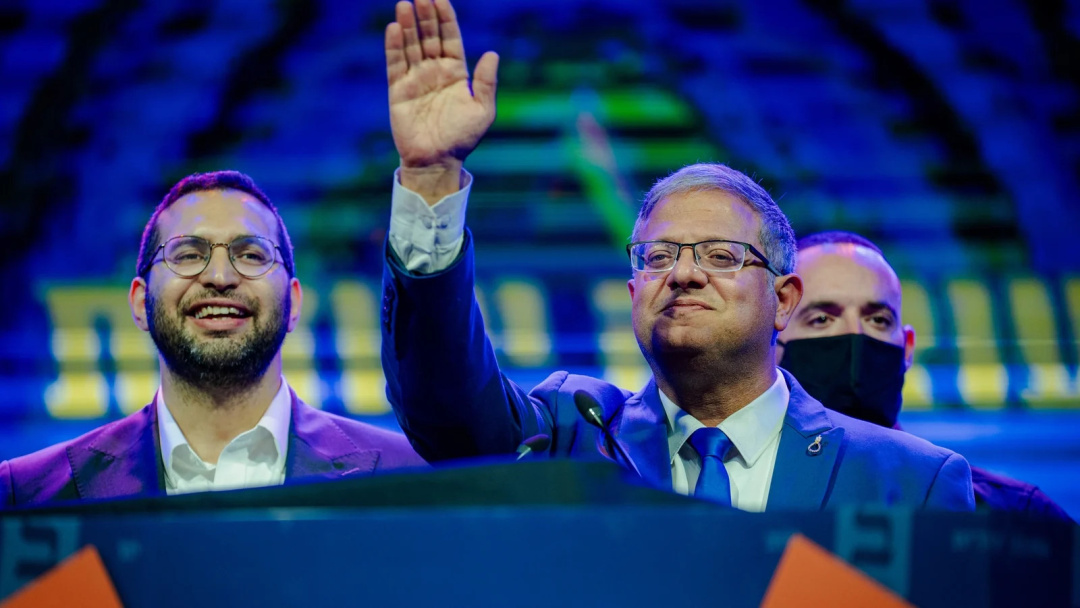
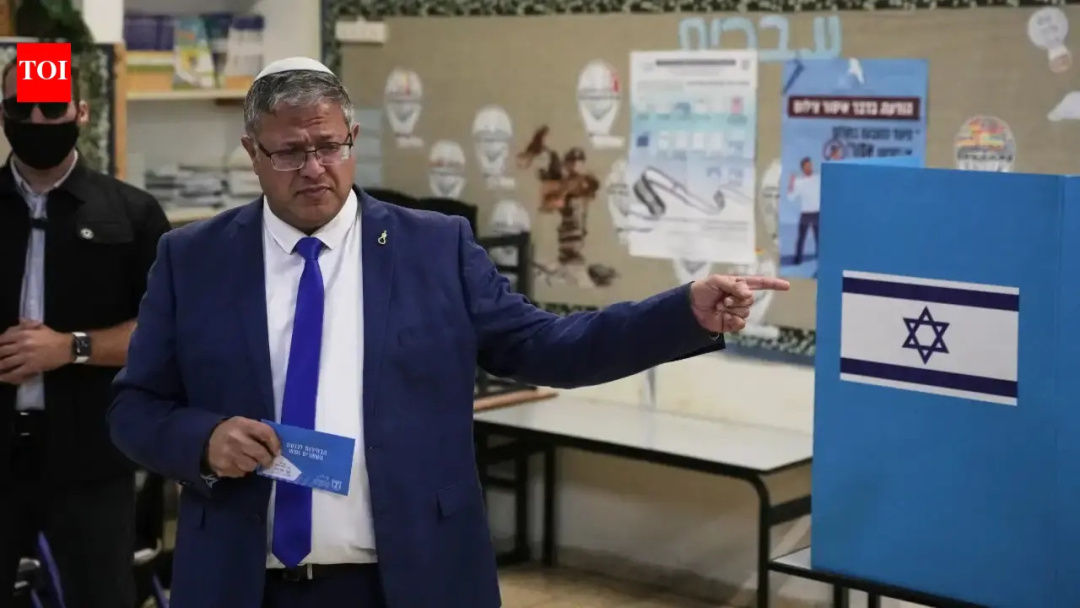
Itamar Ben Gvir, Israel's far-right national security minister, has called for the arrest of Israeli Arab leaders whose parties made notable gains in the recent elections. He cited unproven accusations of foreign funding, particularly from Qatar, as justification for his demand. Ben Gvir stated that the security agency Shin Bet should act immediately to detain the heads of these Arab parties, which he claims are involved in receiving Qatari money.
The political situation in Israel is currently fluid, with no clear majority emerging from the elections. Prime Minister Benjamin Netanyahu's bloc and the opposition parties both failed to secure a decisive number of seats, leaving the possibility of Arab-led parties becoming pivotal in forming a government. As the final election results are awaited, the implications of these developments are significant.
Local media projections indicate that Netanyahu's bloc has secured 53 seats, while the opposition has 48, and Arab-led parties have gained 19 seats. This shift in power dynamics could lead to unprecedented political alliances, as some Jewish and Arab parties may consider collaborating to form a government.
Former military chief Gadi Eisenkot, a key figure in the opposition, has expressed a willingness to work with Arab parties to achieve the necessary majority in the Knesset. This marks a notable change in the political landscape, as Arab citizens, who constitute about 20% of Israel's population, are beginning to see potential for representation in government.
Navigating Political Challenges Ahead
As the situation unfolds, Netanyahu remains in charge, but the pressure is mounting for him to navigate these complex political waters. The president of Israel is expected to appoint someone to form the next government, a task that could prove challenging given the current divisions.
Case Closed
The potential for new elections looms if a government cannot be formed, raising further questions about voter turnout and engagement among Arab citizens. Many had previously refrained from voting due to feelings of disenfranchisement, but recent events may have shifted this sentiment.
The political landscape in Israel is fraught with challenges, including longstanding issues related to security, governance, and the treatment of Arab citizens. As the country grapples with these tensions, the outcome of the elections and the formation of a new government will be closely watched both domestically and internationally.