Study Reveals Smart TVs Continue Tracking Users Despite Opt-Out Options
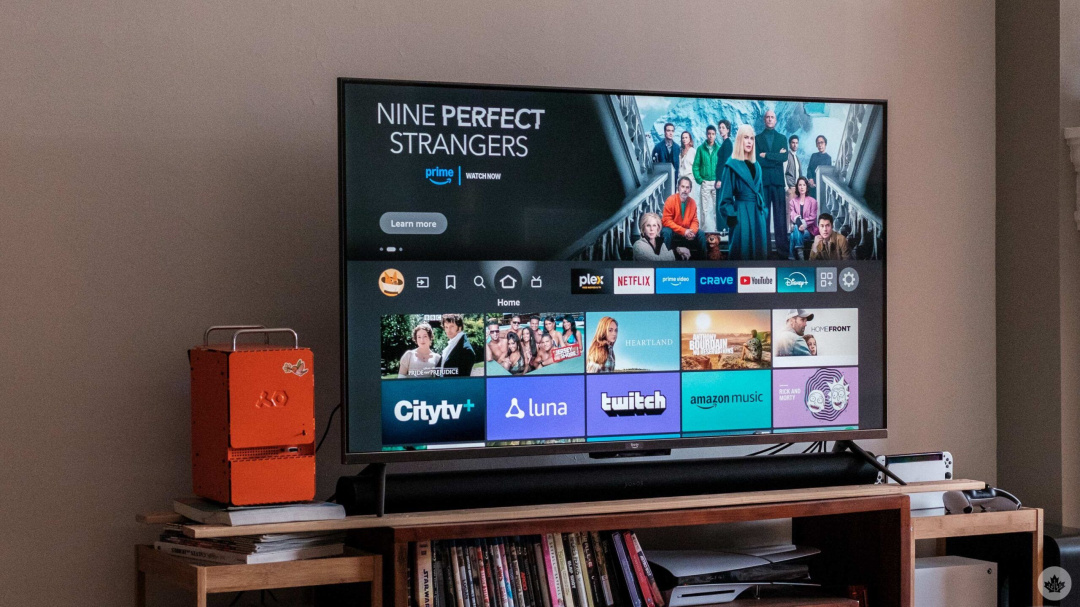
A recent study conducted by researchers from Northeastern University has revealed that many smart TVs continue to track users and their viewing habits, even when users opt out of tracking features. The study, titled Watching the Watchers, tested several popular smart TV platforms, including Tizen OS from Samsung, Roku OS, webOS from LG, SmartCast OS from Vizio, Google TV OS from Sony, and Fire TV OS, among others.
The researchers explained that automatic content recognition (ACR) technology is at the heart of this tracking. ACR works by capturing short audio or video snippets of what is displayed on the screen. These snippets are then sent to the internet or to an ACR provider, which compares them against a database of known content to determine what the user is watching. This data can reveal detailed viewing habits and is often used for targeted advertising or sold to third parties.
The findings of the study were concerning. The researchers noted that antenna broadcasts were consistently tracked across all tested systems. While popular streaming services like YouTube and Netflix were not tracked, the free ad-supported streaming platform Tubi was monitored on Tizen OS, Google TV on Sony, and VIDAA OS. Additionally, most operating systems tracked their own streaming services, with exceptions noted for Fire TV OS and Google TV on Sony.
Tracking Through HDMI and Screen Mirroring
The study also highlighted that devices connected via HDMI ports were tracked on five of the tested systems, but not on Roku OS or SmartCast OS. Notably, screen mirroring was only tracked on VIDAA OS. Alarmingly, Vizio's SmartCast OS was found to send ACR-related traffic back to its provider even when the TV was idle.
Intelligence Reviewed
Turning off ACR features did not always yield the expected results. After conducting over 30 tests on each operating system, only four—webOS, Google TV on Sony, VIDAA OS, and Fire TV OS—successfully disabled ACR when users opted out. Furthermore, a separate report on LG's smart TVs raised additional privacy concerns, revealing practices such as data capture while offline or in standby mode.
Samsung's built-in streaming service continued to show ACR-related traffic, as did Vizio, which sent data to its Amazon Kinesis ACR endpoint. For users concerned about privacy, the study provided several recommendations. Disabling ACR is the first step, but users can also disconnect their TVs from the internet and utilize external streaming devices that do not employ ACR. For those with TVs that do not respect the ACR toggle, the researchers suggested using a blocklist to prevent communication with ACR endpoints.