Iran's Espionage Threats Used to Justify Crackdown on Dissent
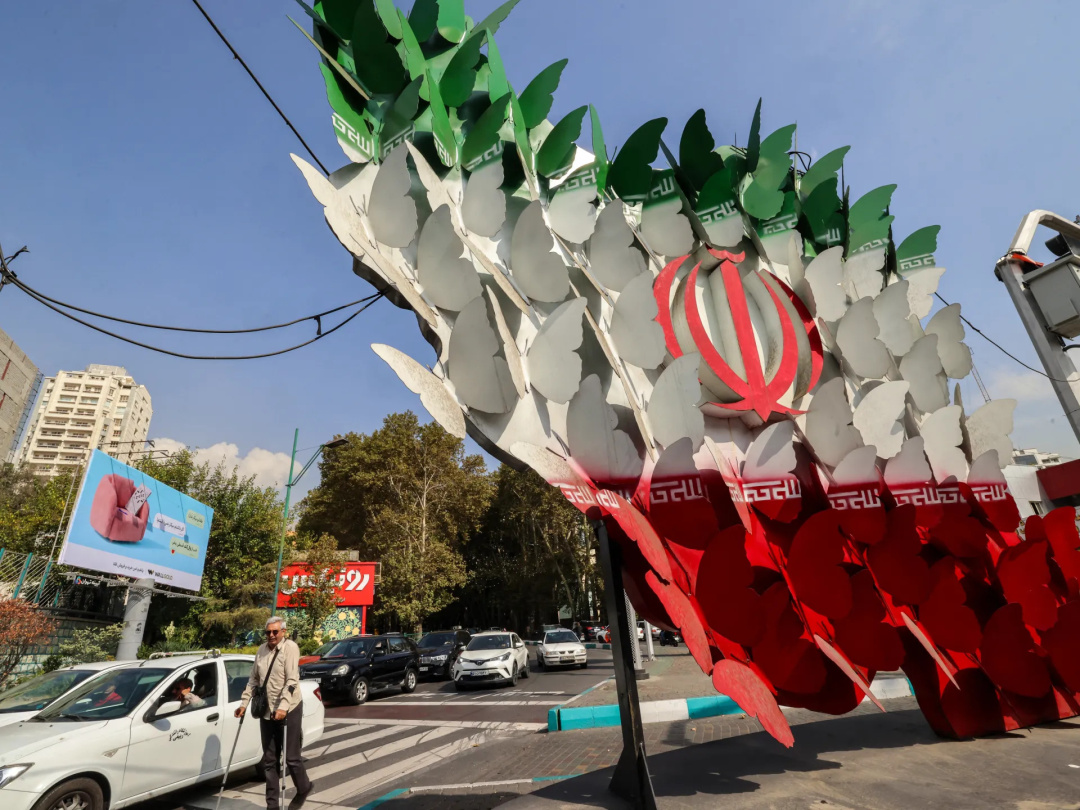
Iran is increasingly using the threat of espionage to justify a crackdown on dissent, according to analysts. The country has faced significant vulnerabilities in its intelligence and security institutions, particularly following military actions by the United States and Israel. Saeid Golkar, a political science professor, noted that while there are real espionage threats, the Iranian regime often exploits these to suppress political opposition and expand its coercive apparatus.
The situation escalated following the killing of high-profile figures during military assaults, which has heightened the regime's paranoia. Former Israeli spy chief David Barnea revealed that prior to a recent conflict, Israeli intelligence had infiltrated Iran with agents tasked with intelligence and sabotage missions. This strategy reportedly led to mass arrests of Iranian citizens, many of whom had no ties to foreign intelligence.
In the wake of these conflicts, Iran has accelerated judicial punishments related to national security, resulting in mass arrests and executions. The targets of these actions include not only alleged spies but also journalists, lawyers, and activists. Human rights organizations have documented instances of coerced confessions and the denial of fair trials for those accused of dissent.
Distinguishing Espionage from Political Dissent
Negar Mortazavi, a senior fellow at the Center for International Policy, emphasized the distinction between espionage and dissent, arguing that criticizing the government or engaging with foreign media should not be equated with espionage. However, Iranian authorities have increasingly blurred these lines, treating political opposition as a threat to national security.
Final Assessment
The Iranian government claims that foreign intelligence operations aim to destabilize the country, leading to heightened security measures. The Ministry of Intelligence has described a hybrid war involving espionage, sabotage, and media manipulation. Judiciary officials have invoked wartime conditions to justify urgent security measures, resulting in thousands of arrests and executions linked to national security charges.
As the Iranian regime continues to conflate dissent with espionage, the implications for civil liberties and political expression remain dire. The crackdown on dissent has intensified, with authorities warning the public about foreign intelligence operations and imposing severe penalties for perceived collaboration with hostile entities. This environment of fear and repression raises significant concerns about the future of political dissent in Iran.