Classified Documents Missing from Epstein Files, DOJ Claims Contradicted
Attorney General Todd Blanche has consistently asserted that the Epstein files, including those withheld from public access, do not contain any classified information related to national security. He emphasized that the Epstein Files Transparency Act allows for withholding information only in the interest of national security or foreign policy, stating, "no files are being withheld or redacted on that basis." However, recent evidence suggests that at least three documents within the extensive collection of files may indeed contain classified information.
One document indicates that Blanche's Office of the Deputy Attorney General received classified material related to Epstein in March 2025. By law, material can only be classified for national security purposes, raising questions about what was classified and the reasons behind it. The Department of Justice (DOJ) has stated that it collected 6 million pages of material, ultimately releasing over 3 million after reviewing for duplication, attorney-client privilege, and relevance to Epstein.
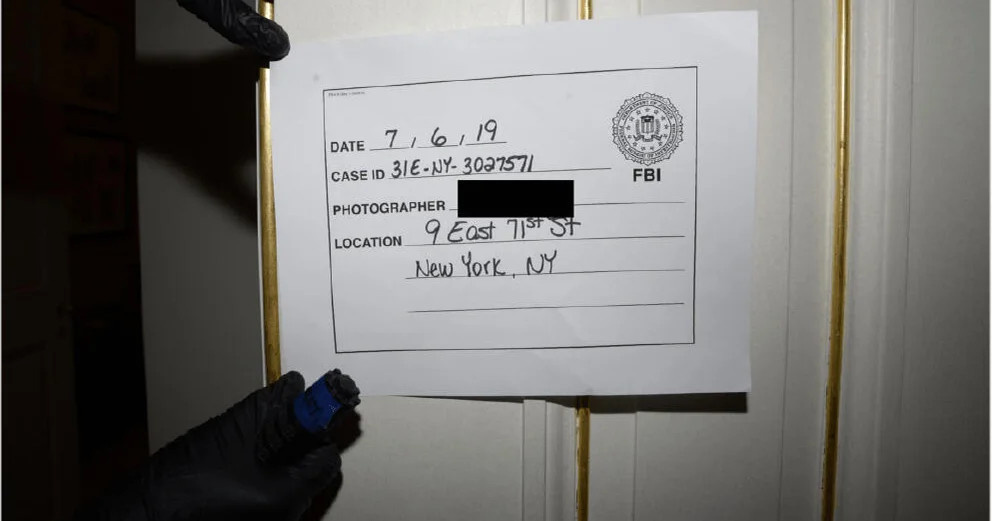
Congressional inquiries and a lawsuit are challenging the DOJ's assertions, demanding the release of additional documents that have been withheld. Among the Epstein files is an eight-page timeline detailing the FBI's initial efforts to deliver its extensive files to the DOJ's Washington headquarters. Notably, on March 25, 2025, a document shows the delivery of 16 items related to Epstein to the Office of the Deputy Attorney General, including references to classified materials.
The Epstein Transparency Project, which aims to review and redact files for release, has not clarified what specific materials were classified. An email from the National Security Classification Operations Unit mentions three documents that remain classified, with one described as an "FBI document which is classified when see-through." The identity of the email's recipient and the details of the other two documents remain redacted, adding to the uncertainty.
Analysis of the DOJ's numerical coding system for the Epstein files reveals gaps in the documents, suggesting that some pages may have been removed after the DOJ obtained them. For instance, the coding indicates missing pages from Epstein's financial records, which should not have been permissible for removal. Barbara McQuade, a former U.S. Attorney, noted that Bates numbers are designed to help identify such discrepancies.
Questions Surround DOJ's Transparency Efforts
The DOJ has not responded to inquiries regarding the Epstein files but has previously claimed that all documents required to be released under the Epstein Files Transparency Act have been made available. However, the presence of gaps in the document sequences raises further questions about the DOJ's transparency and the reasons behind the removals.
Independent journalist Katie Phang is currently suing the DOJ for the release of more files and an explanation of the redactions and removals. A federal judge has ruled in her favor on several occasions, and the DOJ is appealing these decisions. Phang's lawsuit seeks to appoint a special master to review the files, highlighting the ongoing concerns regarding the handling of classified information and the public's trust in the DOJ's processes.
Cleared to File
The DOJ has acknowledged making mistakes in the handling of the Epstein files, including the erroneous removal and subsequent restoration of a photo related to Commerce Secretary Howard Lutnick's visit to Epstein's island. This incident, along with previous claims about missing prison security video footage, has contributed to a perception of mismanagement within the DOJ.
The handling of the Epstein files reflects broader issues of public trust in government transparency. As attorney Stanley Brand noted, the process surrounding the release of these documents has fueled suspicion about what information may be concealed from the public. The ongoing legal battles and the complexities of the classification process underscore the challenges in ensuring accountability and transparency in cases involving sensitive information.