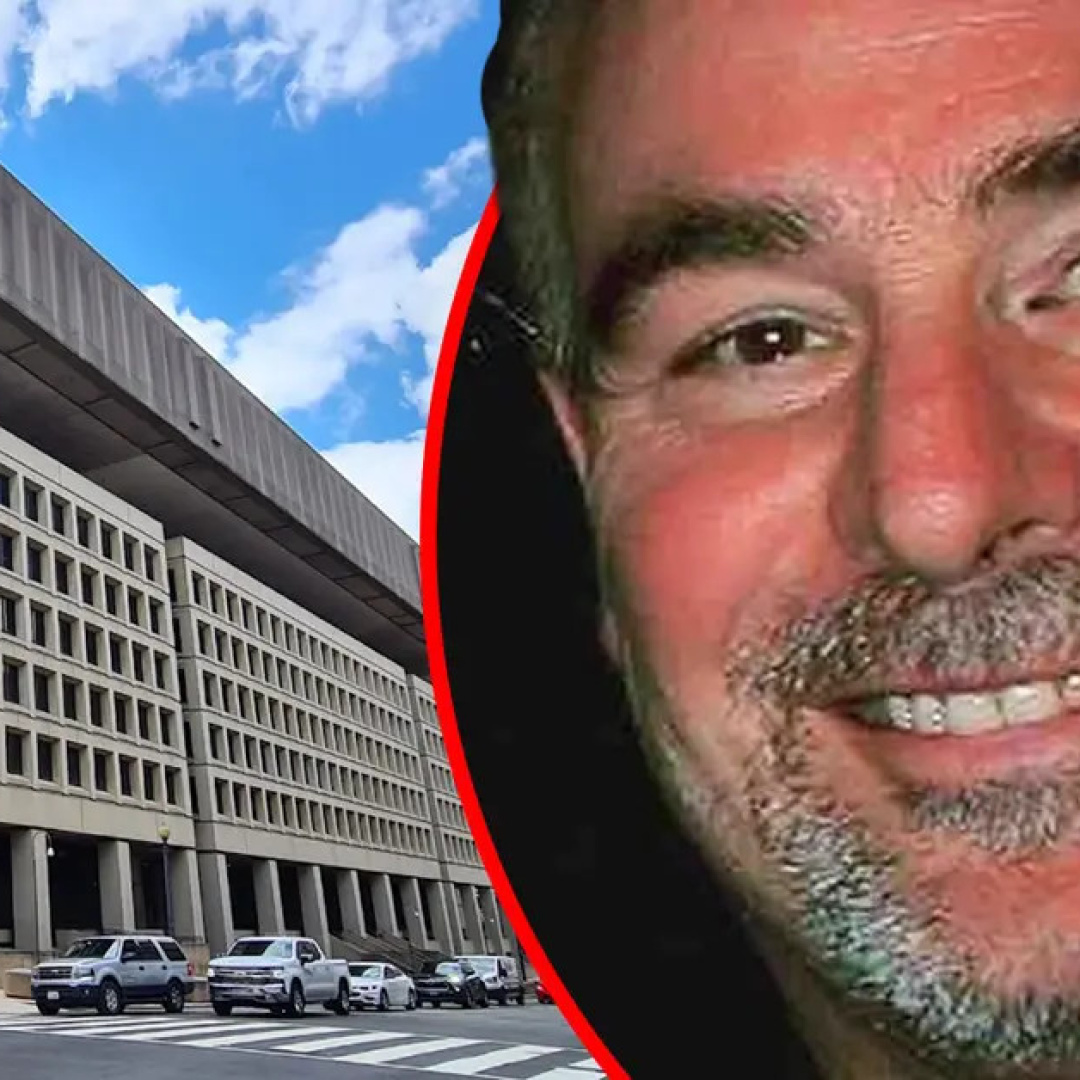
James Comey Charged with Violating Espionage Act Amid Ongoing Legal Battles
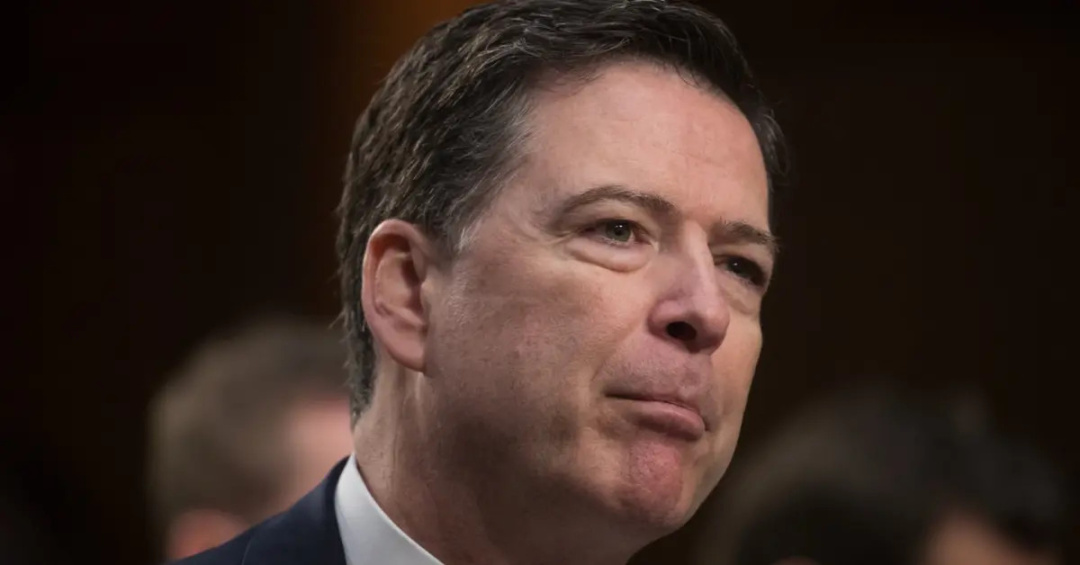
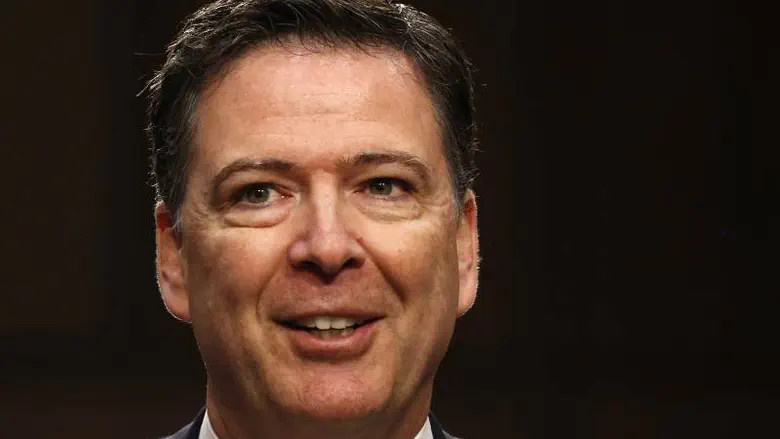
Former FBI Director James Comey has been charged with unlawfully disclosing national defense information and conspiring to do so. According to a three-page filing, Comey allegedly directed an individual identified as "Individual #1" to disclose national defense information to a reporter for a national news publication on October 5, 2016. The document alleges that the conspiracy began no later than October 4, 2016, and continued through the date the charges were filed. However, it does not identify the reporter, publication, or alleged co-conspirators, nor does it specify the information that was allegedly disclosed.
The case concerns a 2016 New York Times article about a secret court order requiring Yahoo to scan emails for messages potentially connected to a foreign terrorist organization. Prosecutors allege that Comey directed then-FBI General Counsel James Baker to disclose information to the newspaper. The allegations have not been proven in court.
Comey has called the investigation an "appalling abuse" of the Department of Justice. In a video posted to Substack, he criticized the Justice Department’s latest effort to prosecute him, stating, "Well, they're back – again. It would almost be funny if it weren't such an appalling abuse of the Department of Justice, one that we cannot become numb to." He added, "Nothing's changed with me. I'm still innocent. I'm still not afraid of these people, and I still believe in the independent federal judiciary."
Comey expressed gratitude for the support of his family and legal team as he prepares to challenge the charges. His attorney, Patrick Fitzgerald, stated that the Justice Department had attempted to charge Comey with a federal crime for the third time in little more than a year, maintaining that Comey did not commit the alleged offenses. Comey aims to have the case dismissed based on a 10-year statute of limitations.
Legal Arguments Surrounding Statute of Limitations
Comey's lawyers argue that the charges should be dismissed because prosecutors failed to obtain a grand jury indictment within the applicable 10-year statute of limitations. The Justice Department filed a criminal information on October 5, exactly 10 years after the alleged disclosure. Unlike an indictment, a criminal information can be filed by prosecutors without a grand jury vote. The defense contends that the law governing the extended limitations period specifically requires an indictment and that the filing did not preserve the charges.
Fitzgerald also noted that two teams of prosecutors investigated the 2016 disclosure during President Donald Trump's first administration and declined to bring charges against anyone. The Justice Department has defended its approach, stating that filing a criminal information to pause the statute of limitations is a widely recognized practice in federal court that has been approved by multiple federal appeals courts.
Case Closed
U.S. District Judge Trevor McFadden has not yet ruled on Comey's motion to dismiss. Comey faces additional legal challenges, including a case in North Carolina. This latest case adds to Comey’s legal troubles stemming from Trump's administration. A separate Virginia prosecution accusing him of making false statements to Congress and obstructing a congressional proceeding was dismissed after a judge ruled that the prosecutor who brought the case was illegally appointed. The Justice Department is appealing that decision.
Comey also faces a separate federal indictment in North Carolina related to an Instagram photograph of seashells arranged to spell "8647," which prosecutors allege constituted a threat against Trump. Comey has challenged that case as well. The Washington case remains in its early stages, with the court yet to decide whether the charges can proceed.