Architectural Ambitions: Trump’s Ballroom and Independence Arch
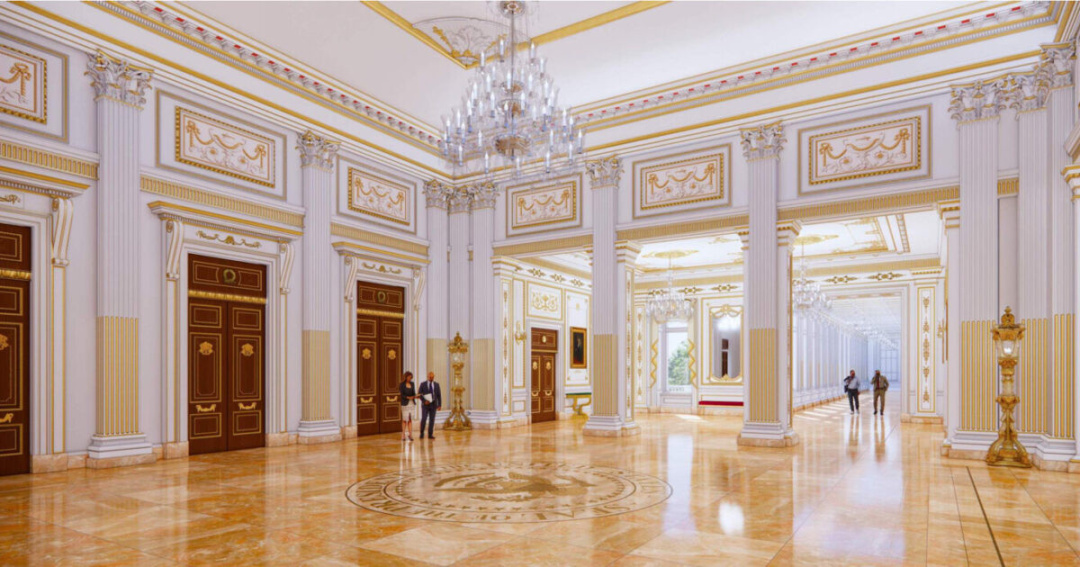
As America approaches its 250th anniversary, discussions surrounding its architectural identity have gained prominence. President Trump’s proposed White House ballroom and the Independence Arch are not merely construction projects; they symbolize a broader ambition to express the nation’s founding principles through enduring structures. These projects challenge the notion that modern architecture should prioritize functionality over beauty and tradition.
The White House ballroom, with a planned capacity for 650 guests, aims to address a practical need while also serving as a venue for significant diplomatic events. Its design is intended to convey a sense of permanence and national dignity, reflecting the United States' historical legacy. The ballroom will serve as a setting where America presents itself to the world, emphasizing the importance of architectural expression in representing national identity.
Similarly, the proposed Independence Arch draws inspiration from Roman triumphal arches, aiming to commemorate the 250th anniversary of American independence. This structure would serve as a physical manifestation of the principles of liberty and self-government that underpin the nation. It is designed to remind future generations of the sacrifices and ideals that have shaped the Republic.
Debate Over Independence Arch's Significance
Critics have raised questions regarding the planning and placement of the Independence Arch, highlighting the need for careful consideration of its relationship to existing monuments in Washington, D.C. However, the ambition to create a lasting architectural statement reflects a civic impulse to honor the achievements of past generations while inspiring future ones.
Filed & Cleared
The connection between the ballroom and the arch underscores a fundamental belief: a civilization confident in its future does not abandon its past. As the nation reflects on its architectural heritage, the challenge remains to balance innovation with a respect for historical traditions. The success of these projects will depend not only on their aesthetic appeal but also on their ability to resonate with the American public and embody the values that define the nation.
In conclusion, as America prepares to celebrate a significant milestone, the architectural vision represented by President Trump’s projects invites a larger question about the country’s commitment to preserving its foundational principles. The answer will be reflected not only in the policies adopted but also in the monuments constructed for future generations to appreciate.