Iran and Regional Partners Agree to Continue Security Talks
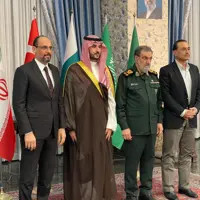
On October 26, a significant meeting took place in Tehran, where representatives from Türkiye, Saudi Arabia, Pakistan, and Iran convened to discuss regional security. The meeting was hosted by Mohsen Rezaei, Secretary-General of Iran’s Supreme National Security Council, and included key figures such as Türkiye’s intelligence chief İbrahim Kalın, Saudi Defense Minister Prince Khalid bin Salman, and Pakistan’s army chief, Field Marshal Asim Munir.
The discussions were centered on preventing renewed hostilities between the United States and Iran, amidst rising tensions in the region. A joint statement issued after the meeting emphasized the commitment of the four nations to continue their dialogue aimed at enhancing cooperation for regional peace and security. However, no specific date or location for future talks was announced.
The backdrop of the meeting included heightened threats from the U.S. and Israel towards Iran, as well as increased attacks by Yemen’s Iran-backed Houthis on Saudi Arabia. The agenda also covered Israeli military actions in Palestine and Lebanon, highlighting the complex security landscape in the region.
Saudi Arabia’s Foreign Ministry indicated that the meeting aimed to reduce tensions and promote diplomatic solutions, supporting mediation efforts by Qatar and Pakistan. Iranian President Masoud Pezeshkian expressed Iran’s readiness to resolve differences and strengthen regional cooperation, urging Muslim nations to unite for improved security.
Regional Cooperation and Crisis Solutions
Rezaei noted that the discussions fostered a positive atmosphere, with the four countries recognizing that their cooperation could provide solutions to the ongoing crises in the region. This meeting follows the signing of the Mecca Joint Defense Agreement on August 7, where Türkiye, Saudi Arabia, and Pakistan pledged collective action against threats to their sovereignty.
Case Closed
In a related development, Egypt’s parliament authorized President Abdel Fattah al-Sisi to provide military support to Saudi Arabia if requested, although Sisi clarified that any military involvement would be defensive in nature. Notably, Egypt is not a signatory to the Mecca pact.
As regional dynamics continue to evolve, the implications of these discussions will be closely monitored, particularly with the upcoming Israeli elections and the ongoing U.S. midterms, which are set against a backdrop of significant geopolitical tensions.