FBI Arrests Contractor for Leaking Classified Information to Journalist

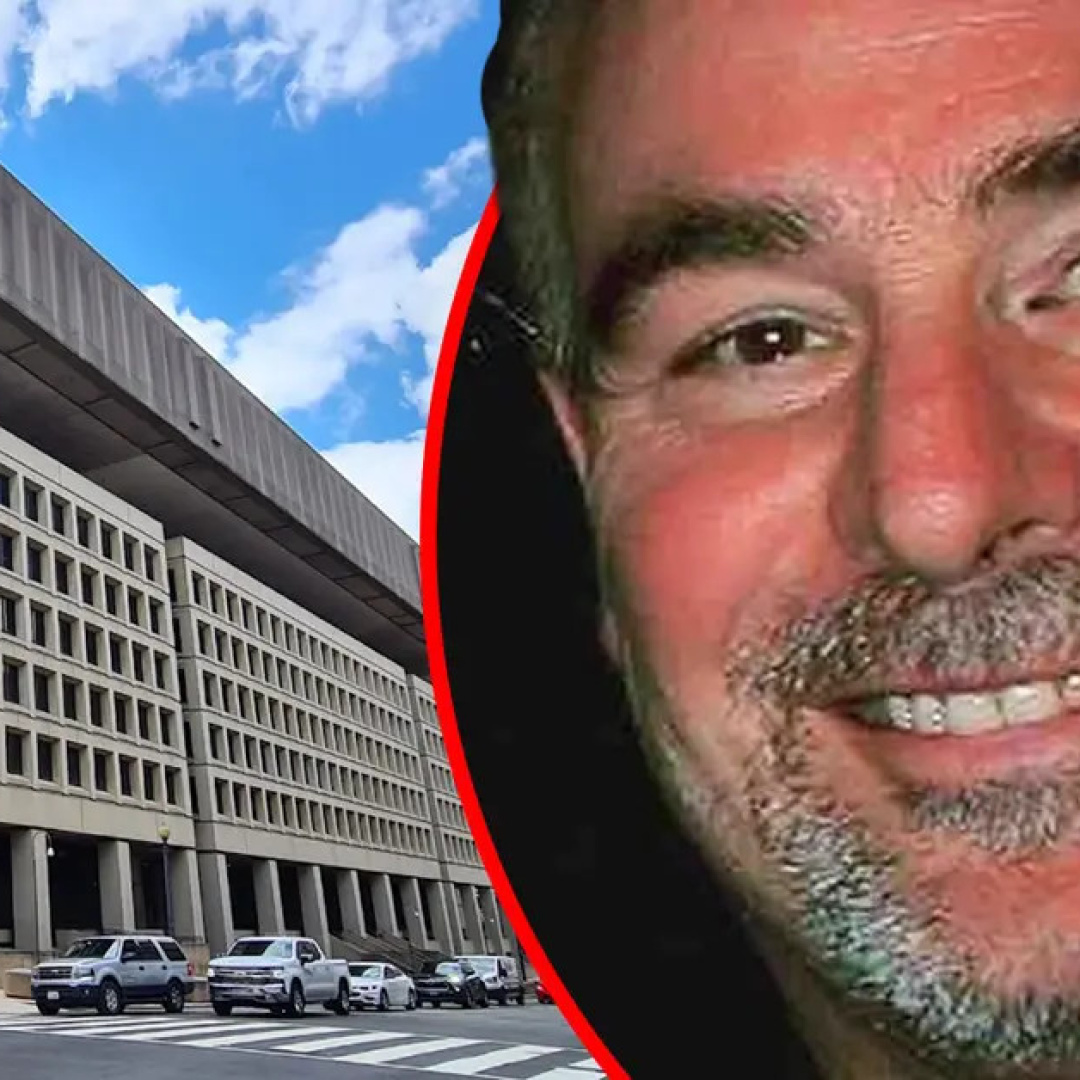
The FBI arrested Ian A. Brinksman, a 42-year-old government contractor, at his home in Washington, D.C., charging him with unlawfully transmitting national defense information to his girlfriend, a journalist who publishes on Substack. According to the Department of Justice, Brinksman held Top Secret security clearance with access to Sensitive Compartmented Information while working for a federal agency and later as a contractor.
Prosecutors allege that Brinksman accessed classified intelligence reports and communicated this information to his romantic partner, referred to in court documents as "Individual 1." The FBI's affidavit cited various forms of evidence, including phone records, database access logs, badge-swipe records, and emails, linking Brinksman to the unauthorized disclosures.
In September 2026, the journalist published a fundraising article claiming to have reported on classified CIA assessments that she believed the public deserved to know about. This article appeared on Capital & Empire, a Substack publication authored by Aída Chávez, who has previously contributed to The Hill and The Nation.
Investigators identified at least five instances in 2026 where published articles contained information that matched classified reports, some of which were classified at the top secret level. FBI Director Kash Patel emphasized that any employee leaking classified information would face severe consequences, underscoring the importance of protecting America’s secrets as a top counterintelligence priority.
Government's Stance on Classified Information
Attorney General Todd Blanche reiterated that national defense information is classified to safeguard Americans from foreign threats. He stated that the allegations reflect the actions of a contractor who disregarded federal laws designed to protect classified information. CIA Director John Ratcliffe also expressed a zero-tolerance policy for leaking and vowed to prosecute anyone who violates their oath.
This prosecution is part of the Trump administration's broader efforts to identify and prosecute government leakers and media organizations that publish classified material. The case against Brinksman may set a precedent for how aggressively the government will enforce secrecy laws in an era characterized by rapid digital publishing. The outcome could significantly influence the balance between protected journalism and unlawful disclosure of classified information in the future.
Final Assessment
The arrest of Brinksman signals a commitment by the administration to hold accountable those who misuse their security clearances and endanger intelligence operations. As the Justice Department continues to pursue prosecutions against leakers and potentially complicit journalists, this case may redefine the boundaries of national security and press freedom.
The implications of this case extend beyond Brinksman himself, as it reflects ongoing tensions between government secrecy and the public's right to know. The legal proceedings will likely draw attention to the challenges faced by journalists in reporting on classified information and the potential repercussions for those who disclose such information without authorization.