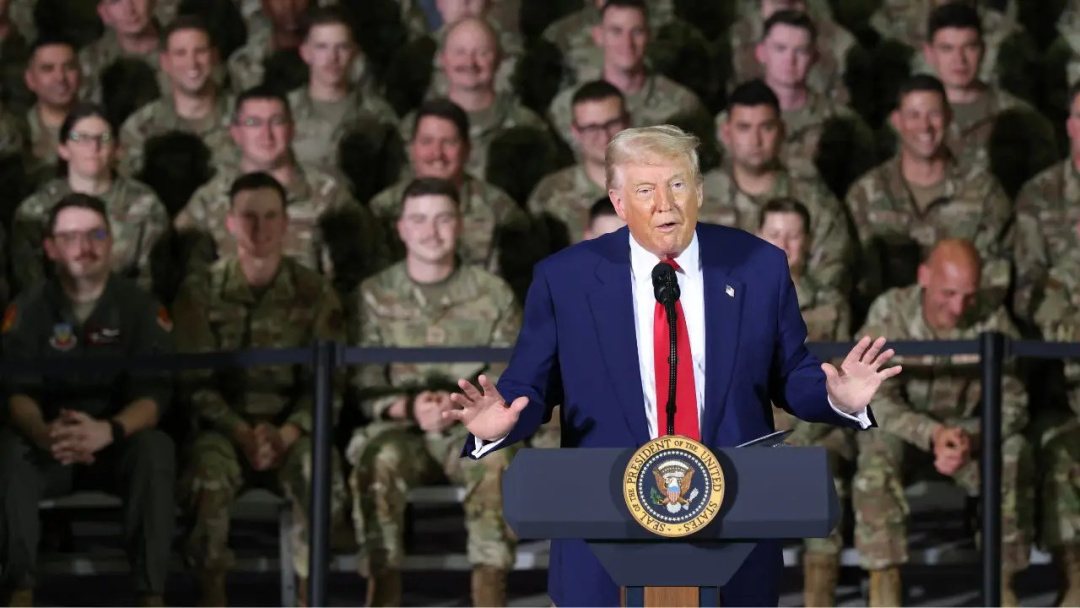
Trump Administration Links Troops' Testosterone Levels to Military Readiness
The Trump administration has expressed significant concerns regarding the testosterone levels of male service members, framing this issue as critical to maintaining military readiness. In an interview with Fox News Digital, Adm. Brian Christine, a senior official at the Department of Health and Human Services, stated that the U.S. military's new guidelines for testosterone screening and hormone replacement therapy are essential for ensuring an effective fighting force.
Christine pointed to alarming statistics indicating that 77% of American men aged 17 to 24 do not qualify for military service without a waiver, primarily due to obesity, chronic diseases, and other health issues. He described the new testosterone testing guidelines for male service members over the age of 30 as both "incredibly important" and "incredibly timely."
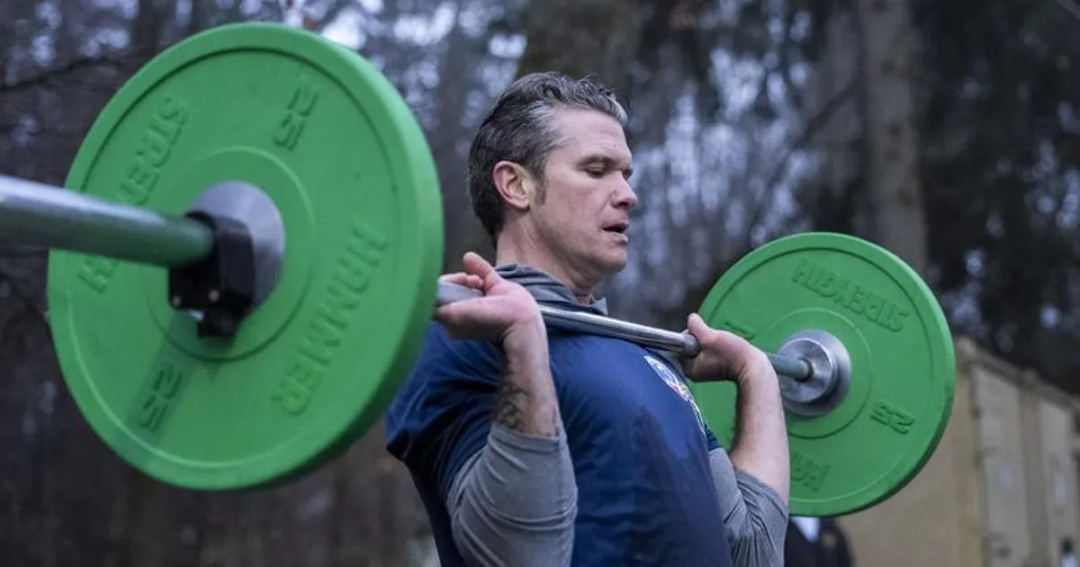
Defense Secretary Pete Hegseth announced these controversial new guidelines in June, asserting that testosterone is vital for maintaining the "lethality" of male service members. He emphasized the need to restore and optimize natural capabilities, protect longevity, and ensure that service members have the biological foundation necessary to sustain military operations.
Hegseth has also stressed the importance of rigorous physical fitness and social standards within the military, making statements that have drawn criticism for their bluntness. He has been quoted saying, "No fatties, no trannies, no beardos, no weirdos," during his recent speeches, reflecting a broader cultural narrative surrounding masculinity and military service.
Concerns Over Testosterone Screening Practices
However, medical organizations, including the American Association of Clinical Endocrinology, have cautioned against screening asymptomatic men for testosterone deficiency, noting that such practices can be influenced by confirmation bias. Critics argue that the current cultural fixation on testosterone as a remedy for various male health issues, including depression and fatigue, lacks scientific backing.
Final Brief
While testosterone replacement therapy can enhance energy levels and alleviate certain physical symptoms in men with naturally declining testosterone due to age, it is not without risks. Potential side effects include reduced sperm counts, sleep disturbances, and increased risks of blood clots, among others.
The ongoing debate around testosterone levels in the military highlights the intersection of health, culture, and national security, raising questions about the implications of such policies for service members and the broader society.