Cuba Criticizes US Recruitment of CIA Informants
Cuba has ridiculed the United States for its unprecedented public appeal for Cuban citizens to cooperate with the CIA. The Cuban Deputy Foreign Minister, Carlos Fernández de Cossío, criticized Washington for resorting to what he described as advertising-style recruitment tactics, suggesting that the US is acting out of desperation as the Trump administration intensifies pressure on the communist-run island.
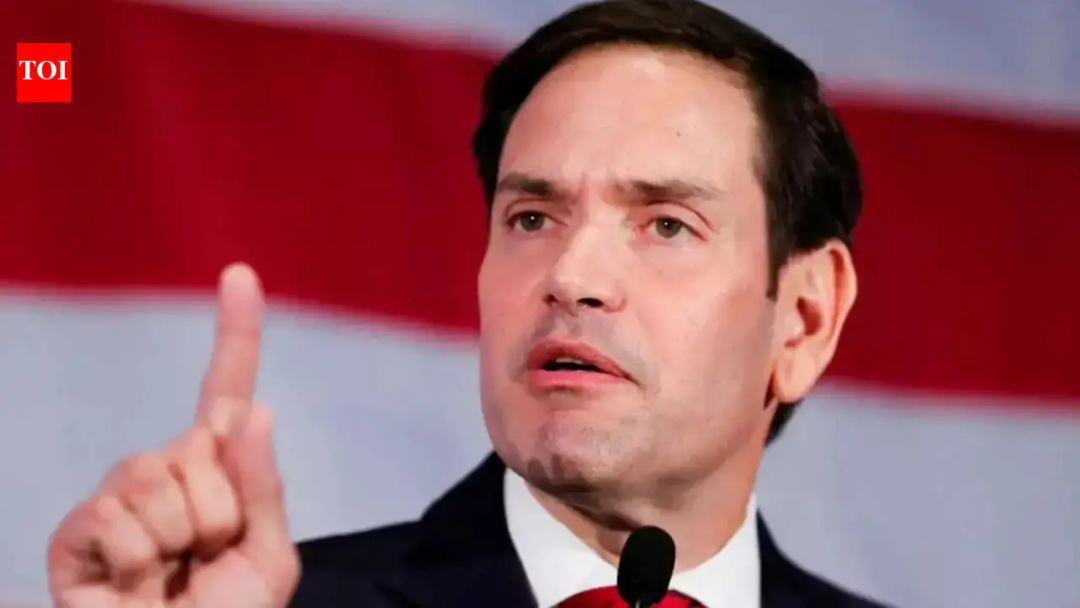
The sharp response from Cuban officials followed comments made by US Secretary of State Marco Rubio, who encouraged Cubans seeking political change to discreetly contact the American intelligence agency. Fernández de Cossío remarked on social media that the US must be in a state of desperation to openly recruit for the CIA, likening the appeal to selling toothpaste.
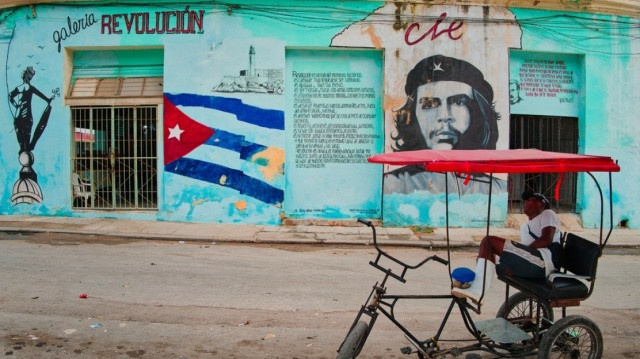
Rubio's public invitation for Cubans to collaborate with the CIA is notable, given the historical context of US-Cuba relations, which have been fraught with tension since the Cuban revolution in 1959. The Secretary of State's message urged citizens dissatisfied with their government to seize the opportunity for change through a partnership with the CIA, highlighting the ongoing economic and political struggles faced by the Cuban population.
In a video released by the CIA, the agency outlined how individuals could make contact and provide information, advising potential informants to approach US facilities or use secure online communications. This public recruitment effort marks a significant shift from the traditionally covert nature of US intelligence operations in Cuba.
Economic Crisis Fuels Recruitment Efforts
The backdrop of this appeal includes a series of sanctions imposed by the US on Cuba, which have exacerbated the island's economic crisis, leading to severe shortages of fuel, food, and essential supplies. The Trump administration has intensified its campaign against Cuba, particularly following military operations in Venezuela that have affected Cuba's access to oil.
Intelligence Reviewed
As tensions escalate, the situation is further complicated by an upcoming vote at the United Nations on a resolution calling for an end to the US economic embargo against Cuba. Historically, such resolutions have garnered overwhelming international support, although they are not legally binding. The Cuban government has condemned US sanctions as collective punishment, while the US argues that these measures are necessary to weaken the Cuban regime's ability to finance repression.
The recent developments reflect a broader confrontation between the two nations, with Cuba viewing the US appeal as interference in its internal affairs. As diplomatic relations remain strained and economic pressures mount, the implications of this public recruitment effort by the CIA will likely continue to unfold in the coming weeks.