Palmer Luckey's Warhound Launches Genetically Engineered Military Dogs
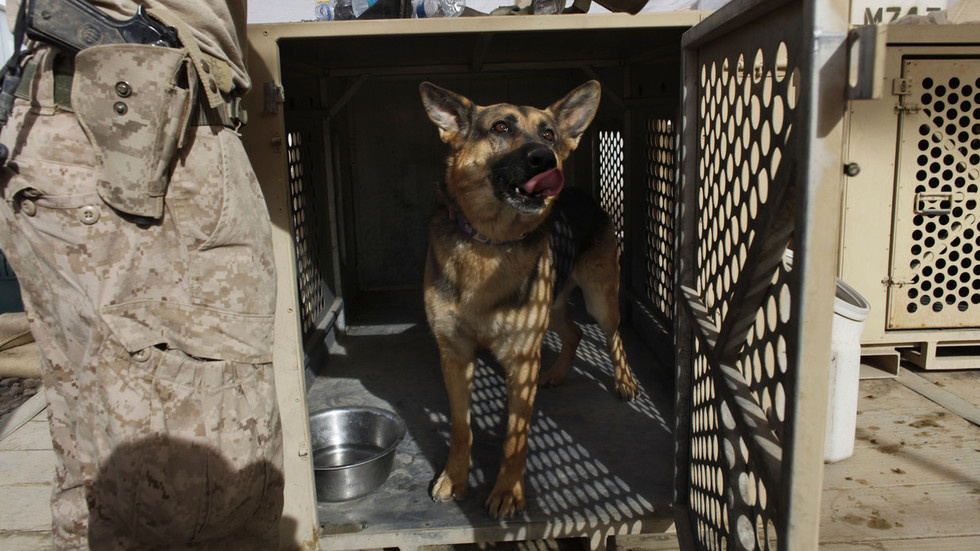
Palmer Luckey, the CEO of Anduril Industries, has unveiled a new startup named Warhound, which focuses on cloning and genetically engineering dogs specifically for military use. This initiative is backed by the CIA and a prominent biotech billionaire, Ben Lamm, who is also known for his efforts to resurrect extinct species such as the woolly mammoth. Warhound has announced that it has secured $200 million in funding and boasts a valuation of $1.2 billion.
The startup will be led by David Spirk, who previously served as the Pentagon's first chief data officer and has experience as a senior adviser at Palantir, a well-known defense technology firm. Warhound's funding includes support from In-Q-Tel, the CIA's venture capital arm, which has invested in various defense technologies.
Warhound's primary goal is to clone top-performing military dogs and genetically modify them to enhance their endurance, physical abilities, and sense of smell. The company claims that these modifications could also help eliminate inherited health issues, such as hip dysplasia and muscle degeneration. Lamm expressed excitement about the project, stating, "This is the sci-fi future we were promised."
Despite its impressive valuation, Warhound has yet to secure any customers or establish pricing for its genetically engineered dogs. Both Luckey and Lamm have a history of promoting ambitious projects, with Luckey's Anduril Industries valued at $90 billion, despite having produced only a limited number of combat-tested systems that faced rejection during military trials.
Lamm's company, Colossal Biosciences, is valued between $10 billion and $12 billion and has made headlines for birthing three dire wolf puppies last year. However, the long-term viability of these puppies remains uncertain, and Lamm has acknowledged that resurrecting the woolly mammoth may take at least another decade.
Innovations in Military Canine Technology
Warhound plans to equip its genetically modified dogs with advanced body armor and sensors that will integrate with Anduril's battlefield awareness system. This system is still in the prototype phase, unlike Palantir's established 'Gotham' system. The startup is considering a subscription model, allowing the Pentagon to maintain a continuous supply of trained dogs rather than purchasing them outright.
The initiative comes as the U.S. military seeks to establish a domestic supply of military dogs, particularly as over 80% of its current canine assets are imported from Europe. Many of these dogs fail to meet the military's rigorous selection and training standards. In contrast, China has already begun cloning dogs for police work, exemplified by the introduction of Kunxun, a cloned police dog created from a renowned crime-solving canine.
The push for genetically engineered military dogs raises significant ethical and welfare concerns. Cloning has been associated with various complications, including pregnancy issues and health problems in newborns. The U.S. Food and Drug Administration has documented these risks in livestock cloning, although clones that survive the initial weeks typically develop normally.
Final Assessment
As Warhound moves forward with its ambitious plans, the ethical implications of cloning and genetically modifying animals for military purposes cannot be overlooked. The potential for health complications and the welfare of the animals involved are critical considerations that will need to be addressed as the project progresses.
In summary, Palmer Luckey's Warhound represents a significant step in the intersection of biotechnology and military applications. While the potential benefits of enhanced military dogs are clear, the ethical concerns surrounding animal cloning and genetic modification will require careful scrutiny as this venture develops.