Netanyahu's Political Strategy and the Threat of War with Iran

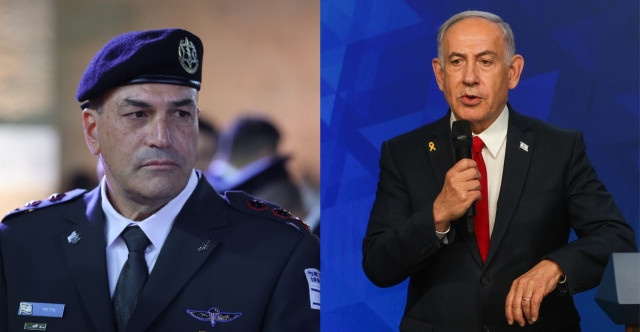
The timing of a potential military attack on Iran is being scrutinized as possibly linked to political strategies in both Israel and the United States. Benjamin Netanyahu, facing a critical election in Israel, may view escalating tensions as a means to bolster his political standing. The upcoming Knesset elections on October 27 are seen as a pivotal moment for Netanyahu, who could leverage conflict to rally support and distract from domestic issues.
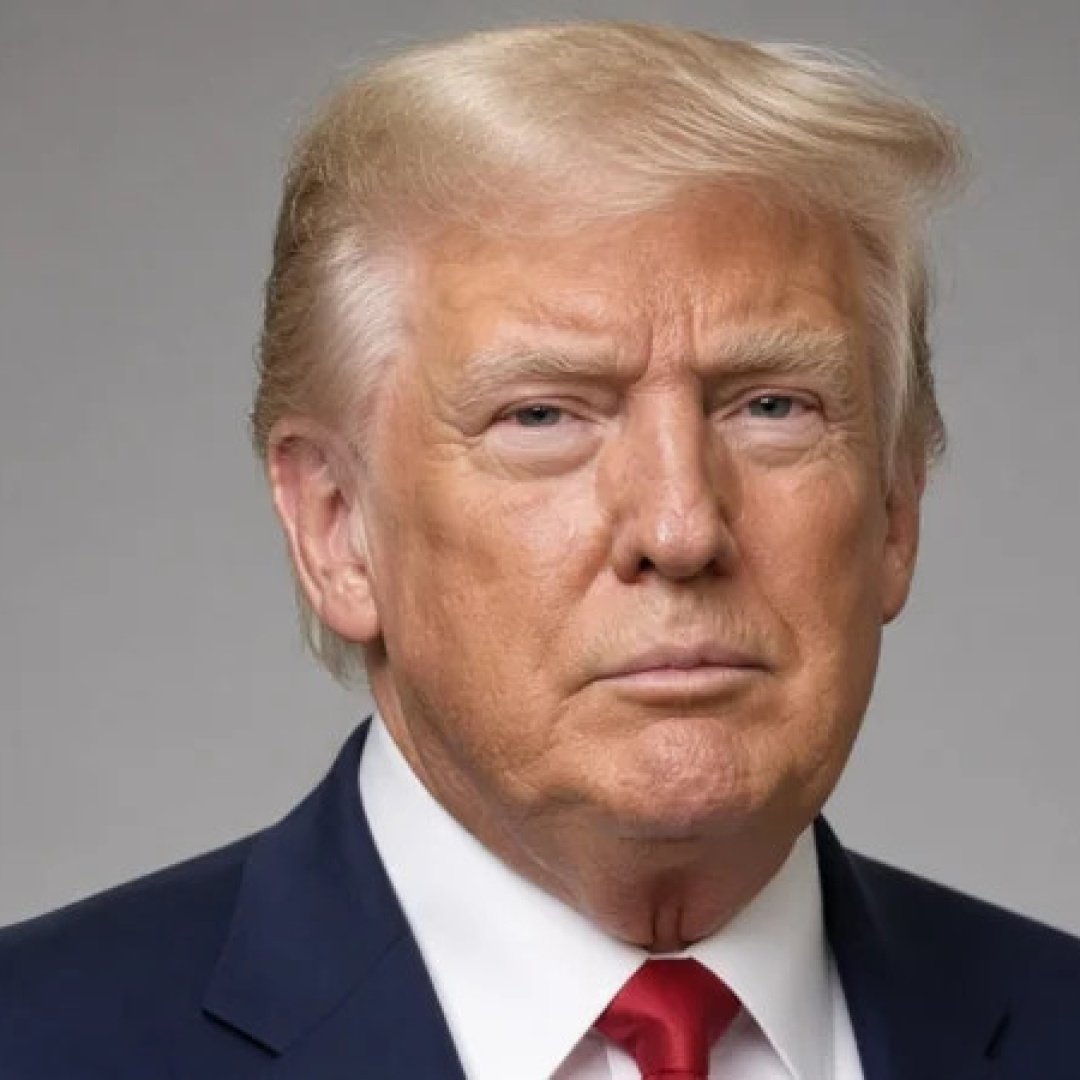
Reports indicate that Netanyahu and former President Donald Trump have discussed the possibility of joint military operations against Iran, suggesting a coordinated effort that intertwines electoral politics with national security. This raises concerns about the motivations behind military actions, as leaders may prioritize their political survival over genuine security needs.
The article argues that historical patterns show a tendency among political leaders to manufacture crises to shift public attention and consolidate power. Netanyahu's administration has previously utilized security threats to strengthen its position, and the current situation appears to follow this trend. As tensions rise, skepticism is warranted regarding the narratives presented by those in power, particularly when their political futures are at stake.
Foreign Policy's Role in Electoral Strategy
In the U.S., the midterm elections are also influenced by foreign policy decisions, with Trump reportedly keeping military options open as a means to distract from his administration's challenges. The interplay between military action and electoral strategy suggests that the stakes are high, not just for the leaders involved but for the general public, who may bear the consequences of such decisions.
Clearance Granted
The implications of a military conflict extend beyond politics, potentially affecting global food and energy supplies. With rising oil prices and fears of disruptions in critical supply chains, the article warns that the public may face increased costs at the grocery store and gas pump. The potential for a mass famine risk by 2027 is highlighted, emphasizing the need for preparedness in the face of escalating geopolitical tensions.
As the situation develops, it is crucial for the public to remain informed and question the motivations behind military actions. The convergence of political agendas and military strategies necessitates a critical examination of the narratives being presented, particularly when they involve significant human and economic costs. The article calls for a rejection of war propaganda and emphasizes the importance of local resilience and self-reliance in the face of uncertainty.