Austria Orders Expulsion of Four Russian Diplomats Over Espionage Claims
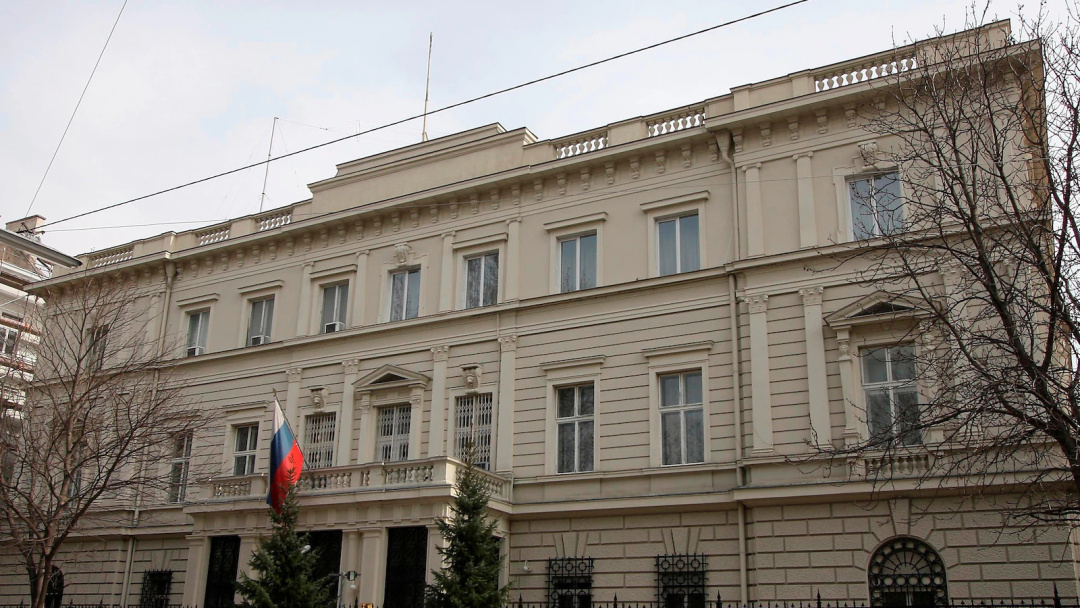
Austria has ordered four Russian diplomats to leave the country, accusing them of espionage, according to an official statement. This decision highlights Austria's ongoing challenges with espionage, particularly in Vienna, which is known for its high concentration of diplomats and international organizations.
The Austrian official, who requested anonymity, confirmed that the expulsions were linked to espionage activities. The diplomats were instructed to depart within a few days. Three of the expelled diplomats were affiliated with the Russian Embassy in Vienna, while the fourth was part of Moscow's mission to the Organization for Security and Cooperation in Europe.
In a brief statement, Austria's Foreign Ministry indicated that the diplomats had engaged in activities incompatible with their diplomatic status, leading to their designation as personae non gratae. However, the ministry did not disclose specific details regarding the diplomats or the nature of their alleged activities.
Russia's Deputy Foreign Minister Dmitry Lyubinsky responded to the expulsions, stating that a reaction from Russia is inevitable. This latest move brings the total number of Russian diplomats expelled from Austria since 2020 to 18.
Previous Espionage Incidents in Austria
In a previous incident in May, Austria expelled three employees from the Russian Embassy suspected of espionage. These individuals were reportedly using antennas on diplomatic buildings to intercept data transmitted by international organizations based in Vienna via satellite internet, as reported by Austria's public broadcaster ORF.
The expulsion of diplomats has become a recurring theme in European relations with Russia, especially following Moscow's full-scale invasion of Ukraine. While Austria has provided aid to Ukraine, it has maintained a policy of military neutrality and has not supplied military equipment.
Clearance Granted
Calls for a tougher stance on Russian espionage have been voiced by Austrian Foreign Minister Beate Meinl-Reisinger and her liberal Neos party. They have advocated for an overhaul of Austria's espionage legislation, which currently penalizes espionage only if it targets Austrian interests. The government is working on reforms to expand the scope of espionage laws to include actions directed against international organizations as well.
Austria's position as a European Union member and its policy of military neutrality make it a significant player in diplomatic relations. Vienna hosts several key international agencies, including the International Atomic Energy Agency and the U.N. Office on Drugs and Crime, which further complicates the landscape of espionage and diplomatic interactions in the region.