Trump Invokes Cold War Law to Address Fuel Production Crisis
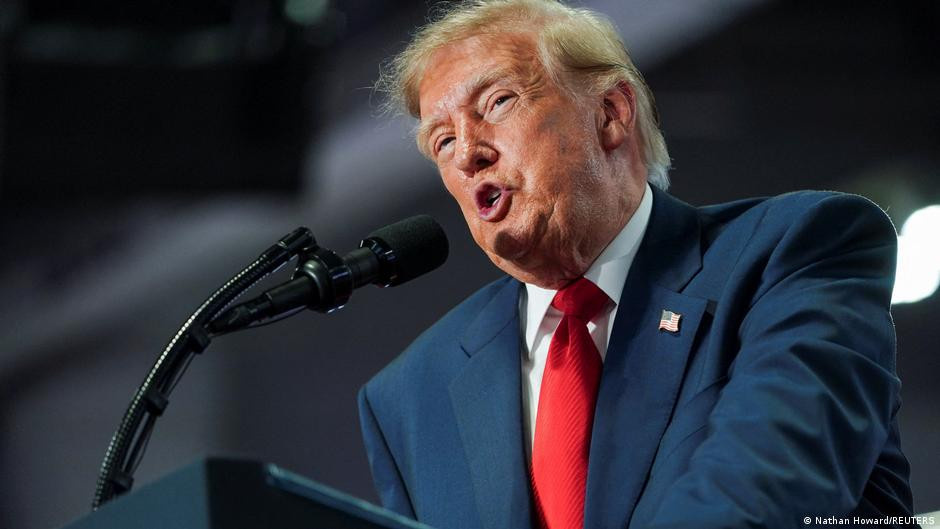
President Donald Trump has invoked a Cold War-era national security law to boost domestic oil production and refining, as rising fuel prices threaten the Republicans’ chances in November’s midterm elections. Speaking at a Republican campaign rally in Iowa, Trump announced that his administration would use the Defense Production Act (DPA) to provide up to $150 million to expand American refining capacity and produce diesel and gasoline at record levels. He predicted that the conflicts in Iran and Ukraine would soon end, leading to a decrease in gasoline and oil prices.
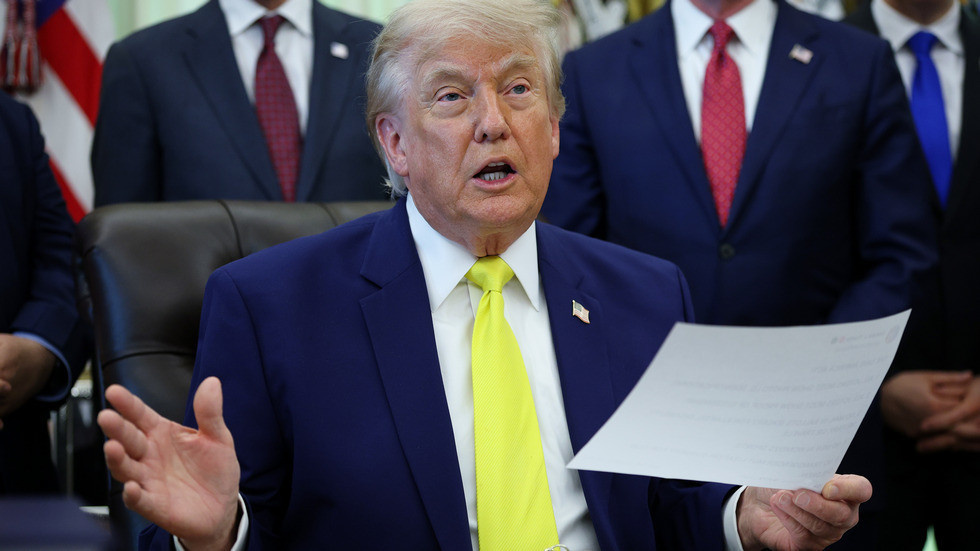
Enacted in 1950, the DPA allows the federal government to financially support industries deemed essential to national defense. In a presidential memorandum, Trump designated domestic petroleum production, refineries, pipelines, and storage facilities as critical to national security, arguing that private companies could not expand capacity quickly enough without federal intervention. Energy Secretary Chris Wright assured that the funds would be deployed in cooperation with private companies, with the Department of Energy projecting that the initiative would significantly increase refining output.
Vice President J.D. Vance had previously announced plans to invoke the law to expand a Delek-operated refinery in Tyler, Texas, although such projects typically take months or years to complete. Trump’s announcement comes as his approval rating has dropped to a record low of 31%, compared to 47% at the start of his second term, according to a recent Reuters/Ipsos poll. The survey indicated that 68% of Americans disapprove of his handling of the economy.
Fuel prices in the U.S. have surged since the onset of the conflict between the U.S. and Israel against Iran, disrupting global energy supplies. The U.S. Energy Information Administration reported that average gasoline prices rose from $2.94 per gallon before the conflict to $4.28 in mid-October, while diesel prices increased from $3.81 to $6.28.
Emergency Measures to Combat Fuel Crisis
In response to the fuel crisis, the Trump administration has implemented several emergency measures, including releasing 172 million barrels from strategic oil reserves, relaxing gasoline-blending requirements, and easing diesel regulations. Additionally, Trump announced a deal with Russian President Vladimir Putin to release over 300,000 tons of Russian diesel onto global markets, with more supplies expected. He has also urged Ukraine’s President Zelensky to halt strikes on Russian oil refineries, which he blames for rising fuel prices. This pressure has led to pushback from Zelensky, who criticized Trump’s diesel deal with Moscow as unfair and dishonest, while Trump suggested Ukraine should consider a new president.
Final Assessment
Trump's invocation of the DPA highlights the administration's urgent response to the fuel crisis as the midterm elections approach. The potential increase in domestic fuel production could alleviate some of the economic pressures facing American consumers, but the effectiveness of these measures remains to be seen. As the political landscape shifts, the administration's handling of energy issues will likely play a crucial role in shaping voter sentiment ahead of the elections.
The administration's strategy to combat rising fuel prices through the DPA reflects a broader effort to stabilize the economy and regain public support. However, the long-term impact of these measures on fuel prices and the overall economy will depend on various factors, including geopolitical developments and domestic production capabilities. As the situation evolves, the administration's actions will be closely scrutinized by both supporters and critics alike.