Treason Charges Against Ex-Chihuahua Attorney General After CIA Deaths
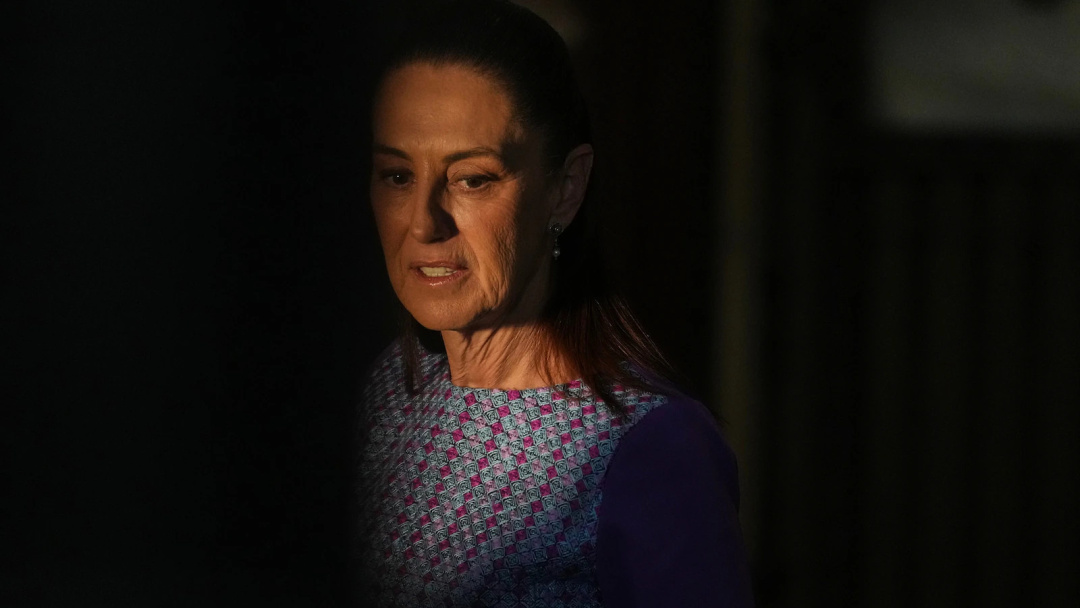
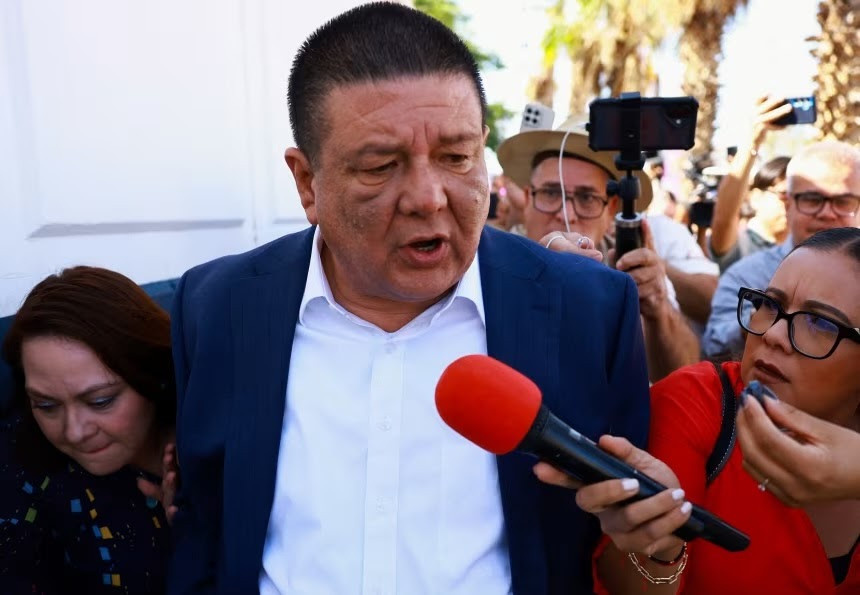
The deaths of two CIA agents in April during an operation to dismantle a drug lab in northern Mexico have led to treason charges against César Jáuregui, the former attorney general of Chihuahua. Jáuregui is also facing state charges for the illegal exercise of public office. He is currently held in pretrial detention at a maximum-security prison, accused of authorizing the agents' involvement in the operation without federal approval. President Claudia Sheinbaum stated that her administration was neither informed of nor authorized the operation.
A state judge is set to determine whether to initiate a trial for the state charges, while a federal judge will decide on the treason indictment. The deaths of the U.S. officials, which occurred in an area led by an opposition party, have sparked speculation regarding the extent of U.S. actions in Mexico under the Trump administration. This situation has also raised concerns about Sheinbaum's commitment to national sovereignty, especially in light of her refusal to arrest a former governor accused of drug trafficking.
Defense attorney Héctor Villasana argues that the prosecution seeks an exemplary punishment to deter similar actions by the U.S. government, referencing past interventions in other countries. The U.S. State Department has acknowledged awareness of the case but has not linked it directly to the CIA deaths.
The incident that led to the treason charge occurred on April 19, when a convoy returning from dismantling a synthetic drug lab in Morelos crashed, resulting in the deaths of two state agents and the two Americans. The operation, conducted by the state prosecutor's office and the army, ended without any arrests as the criminals fled the scene.
According to the federal prosecutor's office, Jáuregui's actions endangered national security by allowing U.S. agents to operate in the field without federal authorization, a decision reserved for the federal government. Experts suggest that the case is politically motivated, particularly with the upcoming 2027 Mexican midterm elections.
Legal Ramifications of Treason Charges
The potential punishment for treason ranges from five to forty years in prison, making it a challenging case to prove. Carlos Pérez Ricart, a professor at CIDE, notes that even if the case is dismissed, its public impact is significant. The ongoing debate in Mexico revolves around whether the Morena party is adequately defending national sovereignty or if there exists a 'narco-government.'
Samuel González, a former chief prosecutor for organized crime, indicated that Jáuregui may have violated laws by not informing the federal government or allowing foreign agents to carry weapons. However, he contends that such actions do not constitute treason.
Luis Villegas, the defense coordinator, criticized the federal prosecution's comparison of the agents' presence to a foreign invasion. He clarified that the deceased Americans were involved in training related to intelligence and drones, and U.S. Ambassador Ronald Johnson confirmed they were embassy personnel, later identified as CIA agents.
Cleared to File
The operation involved additional U.S. agents who were expelled from Mexico after the incident. President Sheinbaum stated that none of the agents had permission to operate in the country, and the military was unaware of their presence. The historical context reveals that U.S. agencies have been active in Mexico for decades, although recent administrations have sought to limit their operations.
Ricart emphasized that while U.S. agents have often participated in such operations without federal knowledge, the lack of clear regulations can lead to abuses. The ongoing situation highlights the complexities of U.S.-Mexico relations and the challenges of addressing drug trafficking and national security.