Ukrainian Man Arrested in Germany for Alleged Espionage for Russia
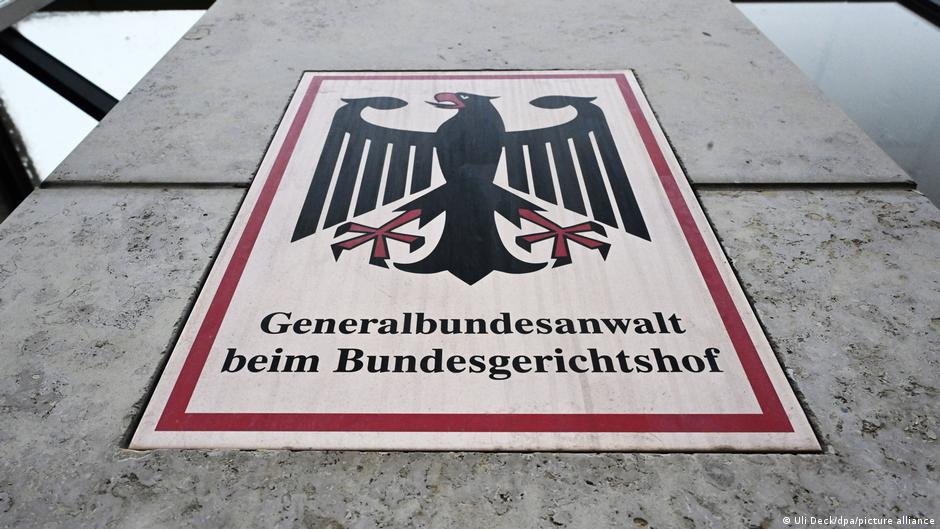
Authorities in Brandenburg, Germany, have arrested a Ukrainian man, identified only as Vadym Y., on charges of espionage for Russia. The Federal Public Prosecutor's Office in Karlsruhe announced the arrest, stating that the suspect is believed to have leveraged his connections with European defense firms to collect sensitive information, which he allegedly relayed to a Russian intelligence agency.
Prosecutors revealed that Vadym Y. had been in contact with a middleman since July 2025, gathering intelligence related to the Russian invasion of Ukraine. This intelligence reportedly included critical details about the production of armored vehicles, ammunition, and explosives, as well as information regarding personnel and military facilities that are vital for securing NATO's eastern flank.
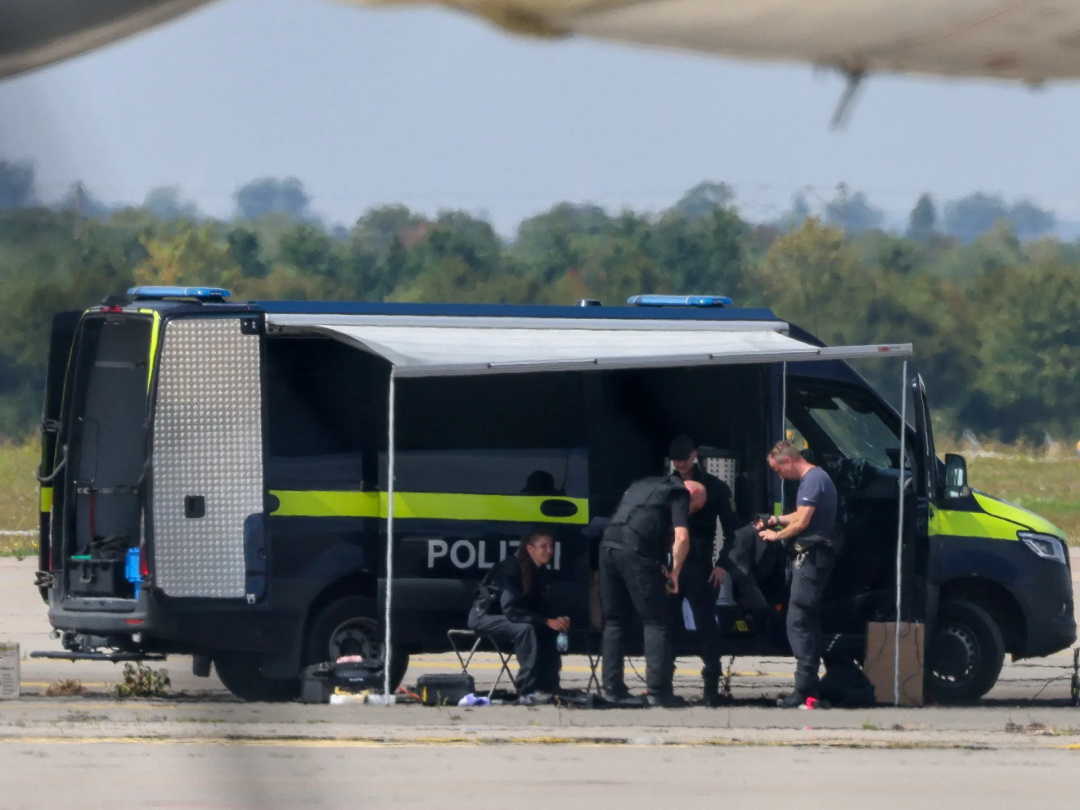
Germany has heightened its vigilance against potential acts of sabotage, particularly following a recent incident where an explosive-laden drone was found near a Ukrainian cargo plane at Leipzig airport. German officials have attributed this attempted attack to Moscow, further intensifying concerns about espionage activities.
As one of Ukraine's primary military and political supporters, Germany has found itself increasingly targeted by Russian espionage efforts, which are part of a broader hybrid campaign involving sabotage and disruption. In light of these threats, Germany has granted expanded powers to its intelligence agency, the BND.
Escalating Threats from Russian Espionage
The agency's chief, Martin Jaeger, recently informed lawmakers that the Russian "shadow war" is escalating, adopting a more perilous character. He warned that Germany risks being drawn into a violent conflict with Russia, underscoring the urgency of addressing these espionage threats.
Case Closed
The arrest of Vadym Y. is not an isolated incident; there have been multiple arrests in Germany linked to espionage for Russia. Moscow has consistently denied any allegations of wrongdoing, but the frequency of these cases has prompted German authorities to take stronger measures in counterintelligence.
As the geopolitical landscape continues to shift, the implications of such espionage activities extend beyond national security, affecting international relations and military strategies in the region. The situation remains fluid, with ongoing investigations likely to reveal more about the extent of Russian espionage efforts in Germany and across Europe.