Saab's Integration of Jet Technology in Automotive Design
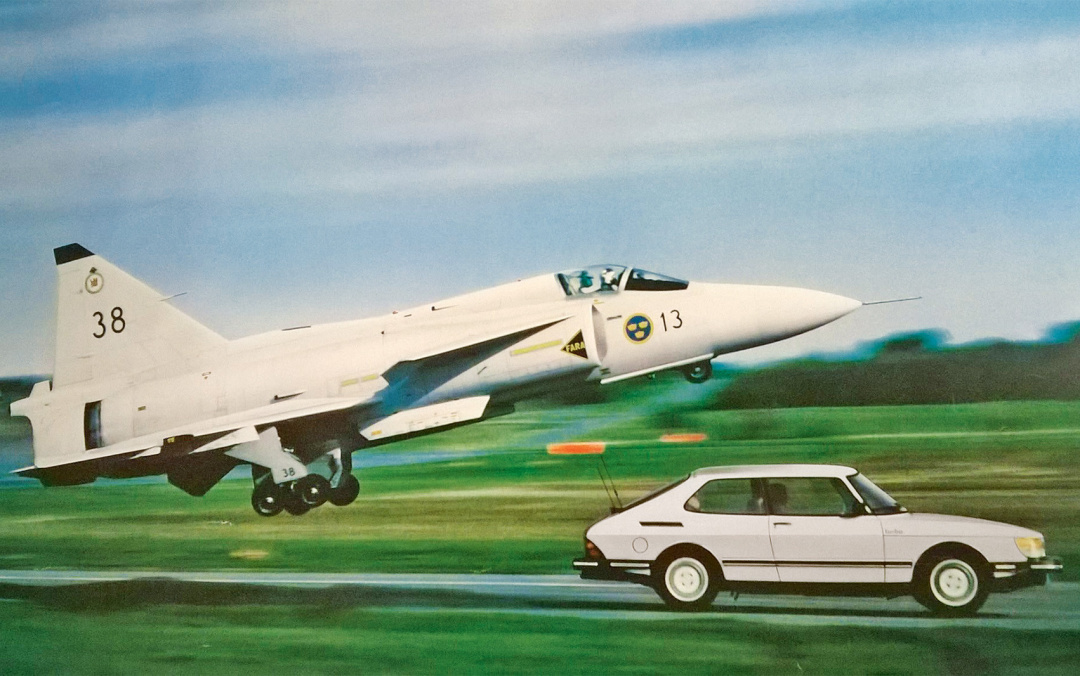
Saab, a name synonymous with innovation in the automotive industry, has a rich history rooted in aeronautics. The company not only drew inspiration from aircraft but also integrated advanced jet technology into its car development processes. This connection to aviation is not merely a marketing ploy; it reflects Saab's commitment to engineering excellence and performance.
The Swedish manufacturer utilized wind-tunnel testing, a method originally developed for aircraft design, to optimize the aerodynamics of its vehicles. This technique allowed Saab to refine the shapes and structures of their cars, resulting in improved fuel efficiency and handling. By applying principles from the aerospace sector, Saab was able to create vehicles that stood out in a competitive market.
Additionally, Saab's design philosophy included elements from aircraft cockpit layouts, which influenced the ergonomics and functionality of their car interiors. This approach not only enhanced driver comfort but also improved the overall driving experience, making Saab vehicles unique in their class.
The recent unveiling of the Hennessey Blackbird hypercar, inspired by the SR-71 spy plane, has reignited interest in the relationship between automotive design and aviation technology. As enthusiasts reflect on the legacy of Saab, it becomes clear that the brand's innovative spirit continues to resonate within the industry.
Saab's commitment to merging automotive and aeronautical engineering has left a lasting impact, demonstrating how cross-industry collaboration can lead to groundbreaking advancements in technology. As the automotive landscape evolves, the lessons learned from Saab's integration of jet technology remain relevant, inspiring future generations of engineers and designers.
The Legacy of Saab's Engineering Innovations
The legacy of Saab's engineering innovations is evident in the way modern vehicles are designed and manufactured. By embracing technology from the aviation sector, Saab not only enhanced its own products but also contributed to the broader automotive industry. This unique approach serves as a reminder of the potential for innovation when different fields intersect.
As we look to the future, the principles established by Saab can guide new developments in automotive technology, encouraging manufacturers to explore unconventional sources of inspiration. The fusion of automotive and aerospace engineering may pave the way for the next generation of vehicles, emphasizing performance, safety, and efficiency.
Final Assessment
In conclusion, Saab's integration of jet technology into its car development process exemplifies the power of innovation through cross-industry collaboration. The company's legacy continues to inspire automotive engineers, highlighting the importance of looking beyond traditional boundaries to achieve excellence in design and performance.