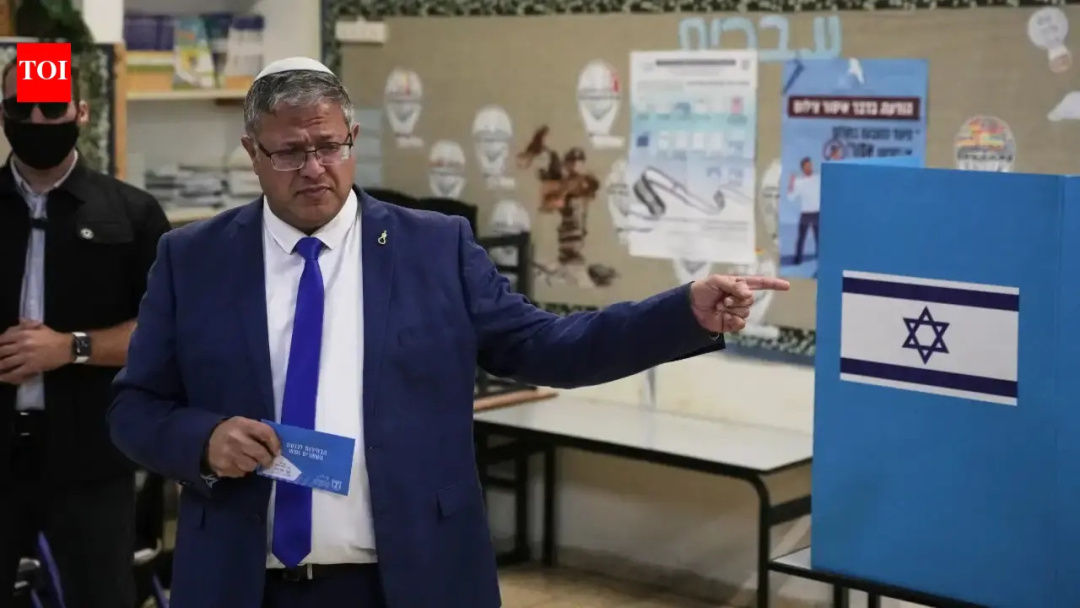
CIA Report Highlights Internal Divisions in Israel Ahead of Elections
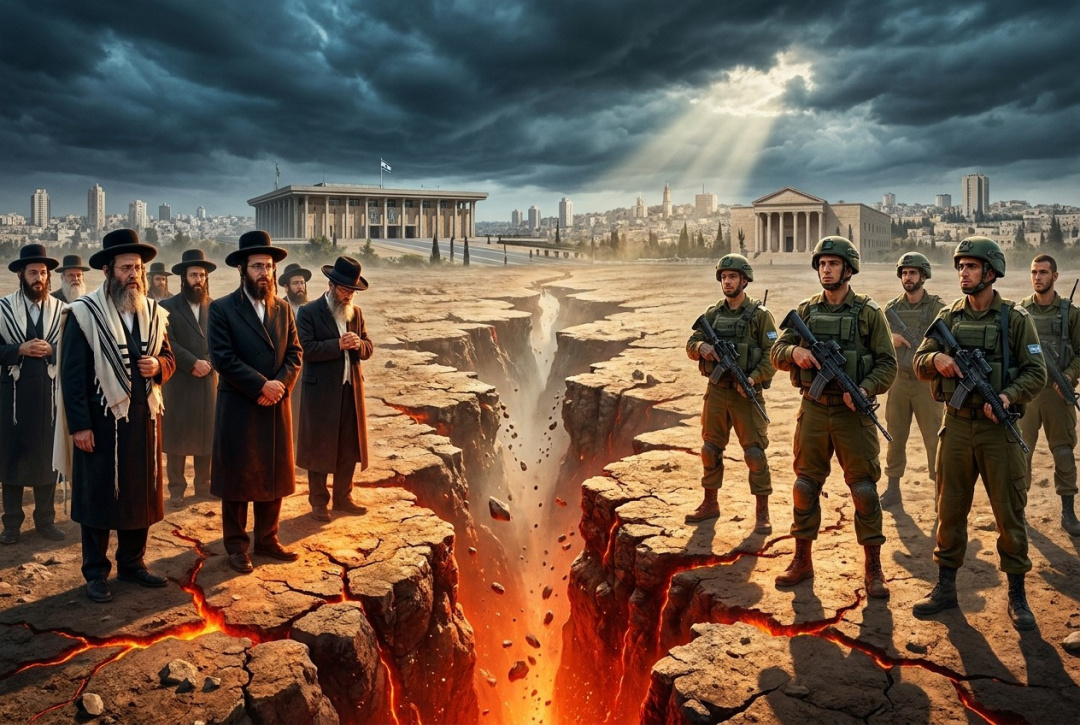
A recent report from the CIA suggests that Israel may be on the brink of internal collapse or civil conflict due to rising tensions among its citizens. This assessment, produced by the agency's Red Cell, which is tasked with providing alternative analyses, highlights several key factors contributing to the current instability.
One of the most divisive issues identified in the report is the exemption of ultra-Orthodox men from compulsory military service. While many reservists have been mobilized for military operations in Gaza and other regions, ultra-Orthodox individuals have historically been allowed to focus on religious studies in yeshivas instead of serving in the military. This has led to significant public discontent and protests, particularly as Prime Minister Netanyahu's coalition struggles to pass legislation that would regulate ultra-Orthodox enlistment.
The report also points to the challenges faced by tens of thousands of armed veterans returning to civilian life. In Israel, reservists often keep their weapons at home, and it is not uncommon to see them carrying firearms in public. This situation raises concerns about the potential for violence as these individuals reintegrate into society.
Additionally, the report notes an increase in settler violence in the occupied West Bank and East Jerusalem, alongside rising food inflation and military spending, which further exacerbate the country's internal tensions. The psychological impact of prolonged military operations on returning soldiers is also highlighted as a significant source of domestic strain.
Election Uncertainty Amid Rising Tensions
Polling data indicates that neither Netanyahu nor the opposition blocs are likely to secure the 61 seats necessary to form a government in the upcoming elections, scheduled for October 27. This uncertainty adds to the pressures identified in the CIA report, which suggests that the election may not yield a clear outcome.
Final Assessment
The Red Cell's analysis stands out for its willingness to explore scenarios where external economic and diplomatic changes could trigger domestic unrest. However, it has been noted that the report primarily focuses on issues affecting Jewish citizens of Israel, omitting the perspectives of Palestinian citizens, who make up about 20% of the population and face their own challenges.
The report's findings come at a time of heightened regional tensions and ongoing conflicts in Gaza, Lebanon, and Iran, which the CIA believes are deepening divisions within Israeli society. As the election approaches, the implications of these internal fractures remain a critical concern for the future stability of the nation.