U.S. Officials Advise States on Potential Election Interference
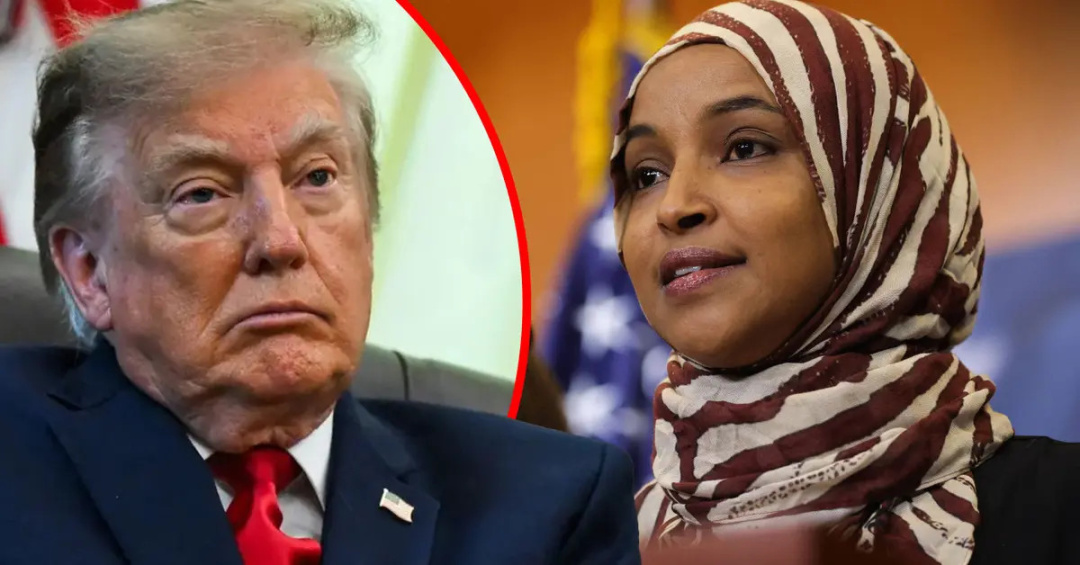
A small group of U.S. national security officials has been discreetly advising state governments and congressional lawmakers on how to prepare for the possibility that the Trump administration will attempt to interfere in November's midterm elections. This group includes approximately ten current and former officials with backgrounds in the Defense Department, some of whom have previously focused on countering authoritarianism abroad.
Their motivation stems from a growing alarm that President Donald Trump may undermine American democracy by compromising the integrity of the vote to maintain Republican power. Over recent months, the group has consulted with officials from ten states, including governors, election officials, and members of Congress from both parties who share concerns about potential federal intervention.
The effort, which has not been previously reported, is particularly focused on states where closely contested races could determine control of Congress for the remainder of Trump's presidency. Members of the group remain in contact with congressional staff, and at least one state has continued to meet with them to address potential vulnerabilities.
In their discussions, national security officials have outlined ways the Trump administration might use federal powers to influence the upcoming vote, including both legal and illegal activities. Concerns have been raised about the possibility of deploying troops or immigration agents to polling stations or attempting to nullify election results based on claims of voter fraud.
The meetings with lawmakers have primarily aimed to raise awareness, especially among Republicans, about the potential for interference and to encourage them to publicly oppose any such actions. With state governments, the focus has been on strengthening election protocols that could be exploited by the federal government.
The officials emphasize that their warnings are based on personal analysis of the administration's actions and public statements rather than access to specific government intelligence. They describe their meetings as a means to help state and federal officials secure the election, asserting that their work has occurred outside their official capacities as government employees.
The level of concern regarding Trump's potential use of authority to influence the election is unprecedented, reflecting fears similar to those surrounding his efforts to overturn the results of the 2020 presidential election, which culminated in the January 6 Capitol riot. Trump's approval ratings are at record lows ahead of the November 3 midterms, with voters expressing frustration over various issues, including the cost of living and international conflicts.
Election officials, including some Republicans, have criticized the Trump administration's attempts to assert federal control over a process that the Constitution assigns to the states. Some GOP-led states, such as Utah, have resisted the administration's efforts to access their voter rolls, highlighting the unusual nature of the current election threats.
Federal Actions Spark Controversy in Elections
In January, the FBI conducted a raid on an election office in Fulton County, Georgia, seizing voting materials in connection with Trump's unfounded claims of voter fraud in the 2020 election. Trump has expressed regret for not deploying the National Guard to seize voting machines during that election cycle.
As he campaigns for Republican candidates, Trump continues to repeat claims about the 2020 election and alleged mass voter fraud by Democrats. In October, a coalition of non-governmental organizations filed a lawsuit against the administration, alleging unlawful collection of voting data from 47 states.
Throughout the year, Trump has sought congressional support for an election security bill that would grant the federal government more authority over the voting process, but the GOP-controlled Senate has not acted on it. Some officials have raised alarms about the potential deployment of military or immigration agents to polling stations, with Defense Secretary Pete Hegseth dismissing such inquiries as hypothetical during a Senate Armed Services Committee hearing.
The Pentagon has stated that there are no plans to deploy troops to polling places, while Homeland Security Secretary Markwayne Mullin has not ruled out the possibility of immigration agents being present at polling locations under specific threats. The Department of Homeland Security has clarified that Immigration and Customs Enforcement is not planning operations targeting polling locations unless there is an active public safety threat.
The precautions being taken by some states against potential federal interference signal a significant shift in focus for election officials, who have traditionally concentrated on foreign threats from actors like China and Russia. Tammy Patrick, chief program officer at the National Association of Election Officials, noted that concerns about federal interference have become the dominant issue among election officials nationwide.
Intelligence Reviewed
State and local officials are preparing for scenarios where federal agents might attempt to access ballots or voting machines at polling places. Some officials have expressed worries about actions already taken by the Trump administration, such as pressuring states to redraw congressional maps to favor Republicans and seeking to limit mail-in voting.
These developments indicate a heightened awareness of the potential for federal overreach in the electoral process, a concern that has not been seen to this extent in previous election cycles.