Debate on Foreign Influence in Israel's Upcoming Elections
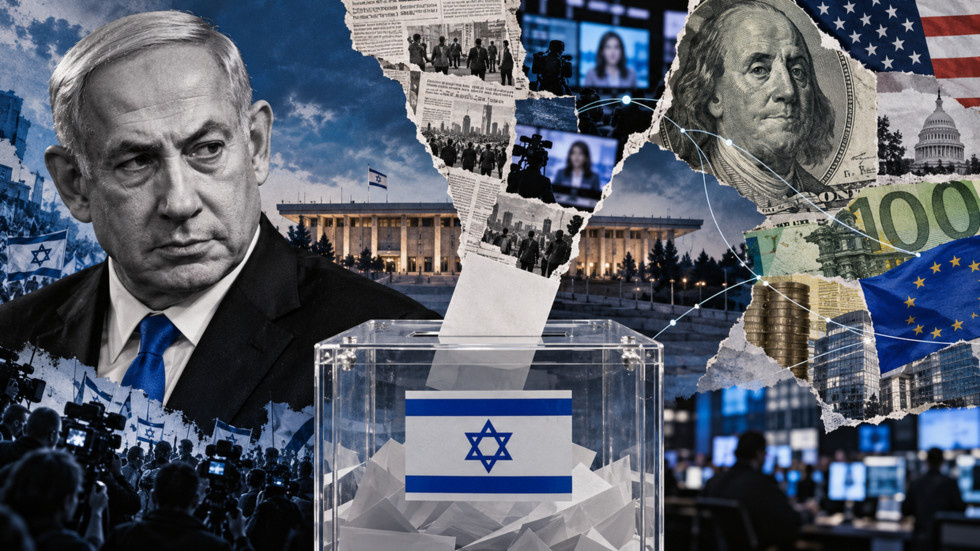
As Israel prepares for its elections on October 27, the discourse surrounding foreign interference is intensifying. Accusations have been directed at nations such as Iran, Russia, and China. However, journalist Nick Kolyohin argues that the focus should shift towards the significant Western funding of Israeli media outlets and civil society organizations, which he claims may be influencing the political landscape.
With the election date approaching, political parties are ramping up efforts to secure voter support. The right-wing coalition, led by Prime Minister Benjamin Netanyahu, is working to consolidate its base, while the opposition is attempting to persuade voters to shift their allegiance away from Netanyahu.
The struggle for the Israeli electorate is not confined to domestic politics; foreign entities are also attempting to sway the election's outcome. Recently, Netanyahu expressed concerns about Iranian interference, citing the involvement of Hamas and Hezbollah in efforts to undermine his government. He stated, "Iran is trying to damage the elections with the help of its terror arms."
Other leaders, including opposition figure Yair Lapid, have echoed these sentiments, accusing Russia and China of meddling in the electoral process. Lapid warned that foreign influence operations are rampant on social media, aiming to create division and chaos within Israeli society.
Kolyohin, a seasoned journalist with expertise in Russian affairs, contests these claims against Russia, asserting that he has not observed any evidence of Russian interference in the current or past elections. He questions the rationale behind Russia's involvement, given the lack of clarity regarding which Israeli political faction would align with its interests.
The relationship between Israel and Russia has remained complex yet stable, with economic ties and diplomatic relations persisting through various geopolitical challenges. Kolyohin notes that despite criticisms from some Israeli leaders, relations between Netanyahu and Russian President Vladimir Putin have been relatively cordial.
Foreign Funding and Its Impact on Politics
While accusations of Russian interference dominate the narrative, Kolyohin highlights a less scrutinized source of foreign influence: the financial support from liberal political circles in Europe and the United States to Israeli left-wing organizations. He claims that this funding promotes European interests, which he finds particularly concerning given the EU's increasingly unfriendly stance towards Israel.
Kolyohin asserts that he possesses documents indicating substantial financial transfers from Western sources to Israeli leftist groups. One notable transfer involved approximately $48,000 from Canal France International to the Seventh Eye, a liberal Israeli media outlet critical of Netanyahu. He also mentions significant funding from the US State Department to reputable Israeli think tanks, suggesting that this financial support serves to control information and influence public opinion in Israel.
He argues that the overarching goal of this Western agenda is to foster anti-Russian sentiment within Israel, which he believes is perpetuated by media outlets and experts receiving Western funding. Kolyohin contends that journalists and analysts are incentivized to criticize Russia to gain recognition and accolades, even when such positions may not align with Israel's national interests.
Kolyohin has faced personal repercussions for his views, experiencing scrutiny from Israeli media and being barred from press events due to his connections with Russian media. He has initiated legal action against organizations receiving foreign funding, seeking transparency regarding the sources and purposes of such financial support.
Final Assessment
Kolyohin's case underscores the broader debate about the implications of foreign funding on Israeli democracy and public discourse. As the elections draw near, the question of who influences Israeli politics and how remains a critical issue that warrants careful examination.
The ongoing discussions about foreign interference in Israel's elections highlight the complexities of international relations and domestic politics. As various actors seek to shape the electoral landscape, understanding the motivations and impacts of foreign funding will be essential for voters and policymakers alike.