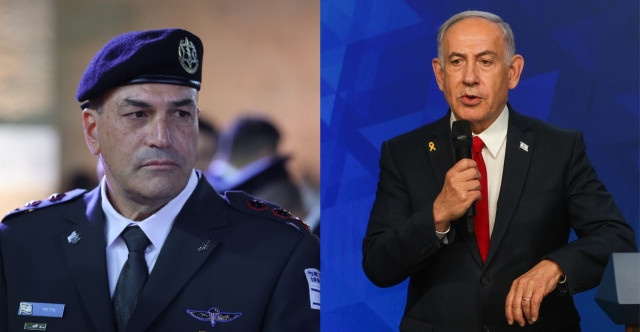
Netanyahu Unveils Updated National Security Doctrine Ahead of Elections
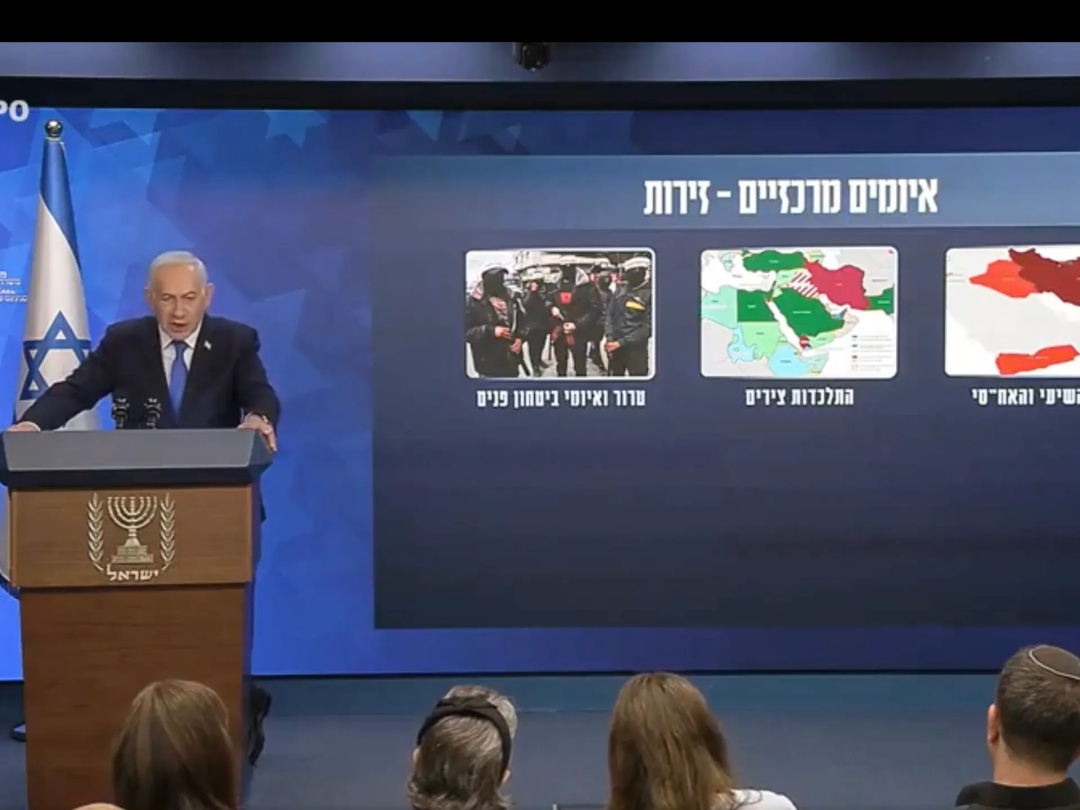
Israeli Prime Minister Benjamin Netanyahu has unveiled an updated national security doctrine, which includes a map of rival regional alignments. This new approach prioritizes preemptive military action, the expansion of buffer zones, and the pursuit of new regional partnerships. The document was developed with the assistance of Israel’s National Security Council and published by the Prime Minister’s Office just nine days before the parliamentary elections that could determine Netanyahu's political future.
The timing of the doctrine's release is politically significant, as Netanyahu faces criticism regarding his leadership, an ongoing corruption trial, and his handling of the October 7 attacks and subsequent conflicts. As the October 27 election date approaches, Netanyahu is working to reinforce his reputation as Israel's 'Mr. Security', appealing to voters who may have reservations about his other policies but still see him as the best candidate to protect the nation.
During a briefing, Netanyahu warned that Israel could soon face a less supportive U.S. administration, suggesting that the country must expand its alliances and enhance its capabilities to remain a valuable partner to others. Analysts interpret this as an attempt to position his leadership as essential for navigating Israel's military challenges and diplomatic isolation, while also reassuring a concerned electorate.
Mohanad Hage Ali, deputy director for research at the Malcolm H Kerr Carnegie Middle East Center, noted that the strategic presentation of competing regional blocs and buffer zones is designed to evoke existential fears among Israeli voters, potentially leading them to favor a decisive leader like Netanyahu. His political opponents, however, have criticized the doctrine, with Gadi Eisenkot calling it “two hollow pages” lacking substance, and former Prime Minister Yair Lapid describing it as “superficial”.
Mapping Alliances and Regional Threats
The map presented during Netanyahu's briefing, originally published by the Friedrich-Ebert-Stiftung, illustrates the complex network of alliances and rivalries in the Middle East. It identifies an Israel-United Arab Emirates alignment, termed the “Hexagon Alliance”, and a separate grouping of Egypt, Turkiye, Pakistan, and Saudi Arabia, labeled the “Sunni Diamond Alliance”. The map also depicts Iran and its allies as a distinct axis, highlighting the perceived threats Israel faces and the need for buffer zones, which could lead to further territorial occupation.
Hage Ali cautioned that pursuing a strategy focused on expanding military control could result in increased conflict and ethnic cleansing under the guise of security. Notably, the map designates non-state actors as friendly entities, which could jeopardize their domestic standing in the Arab world. This reflects Netanyahu's immediate priorities, where public perception in Israel takes precedence over the reputations of allied nations.
Intelligence Reviewed
The portrayal of the Middle East as divided into competing alliances may also complicate Netanyahu's broader diplomatic goals. Earlier this year, he proposed a “hexagon of alliances” involving Israel, India, Greece, Cyprus, and other partners against perceived radical alliances. However, this proposal has not materialized into a formal alliance, with many commentators viewing it as more of a branding exercise than a binding military pact.
As Netanyahu navigates these complex dynamics, the implications of his security doctrine and the accompanying map will likely resonate in both domestic and regional contexts, shaping the political landscape in Israel and beyond.