Cyberattack on French Supermarkets Highlights Vulnerabilities in U.S. Utilities

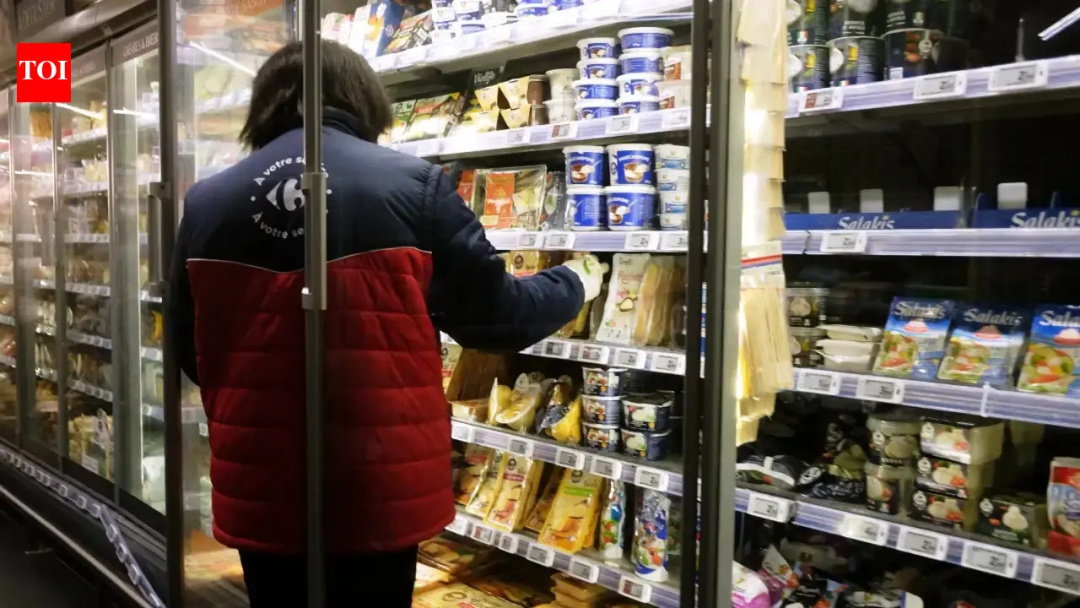
A cyberattack that recently targeted French supermarkets has underscored significant vulnerabilities in America's critical infrastructure, according to cybersecurity experts. The incident involved hackers taking control of refrigeration systems in numerous supermarkets, leading to substantial food spoilage and financial losses. This event serves as a stark reminder for American businesses to reassess their cybersecurity protocols.
John Walsh, Senior Vice President and Field CTO for Government and Critical Industries at IGEL, highlighted the potential consequences of such attacks. He pointed out that if essential services like water or food supply were disrupted, it could lead to severe economic and social unrest. Walsh noted that many of the systems in use are outdated and lack necessary updates, making them susceptible to cyber threats.
The attack in France revealed that many affected refrigeration units were legacy systems, similar to those found in the U.S. Walsh emphasized that critical infrastructure in America is often reliant on technology that is 15 to 20 years old, which poses a significant risk. Decision-makers in these sectors frequently adopt a mindset of maintaining the status quo, avoiding necessary upgrades due to the perceived hassle of taking systems offline.
As technology becomes increasingly integrated into critical infrastructure, cybersecurity firms are urged to adapt their strategies. Walsh explained that the focus must shift from merely securing systems to ensuring resilience against potential attacks. This involves acknowledging that hackers may already infiltrate systems and preparing to mitigate the impact of such breaches.
Emerging Threats to Critical Infrastructure
The concept of a 'Trojan horse' threat looms large, with experts warning that adversaries could exploit vulnerabilities in the electrical grid and other essential services. Walsh noted that recent cyber incidents may indicate a pattern of adversaries practicing their skills on real targets, which could lead to more significant attacks in the future.
Policy experts are now tasked with advising lawmakers on how to enhance the security of interconnected systems. The increasing prevalence of internet-connected devices in everyday life raises concerns about potential vulnerabilities. Experts like Amy Kremer, chair of Humans First, have expressed alarm over the accessibility of appliances to the internet, emphasizing the need for greater awareness of cybersecurity risks.
Case Closed
America's critical infrastructure is indeed at risk, as evidenced by previous cyberattacks on essential services. Walsh pointed to a coordinated attack on Minnesota's water systems as a clear example of the potential for disruption. He urged that citizens, government, and the international community must work together to implement protective measures across industries.
The recent spate of cyberattacks may only be the beginning, with Walsh warning that hackers are honing their skills in preparation for more audacious operations. This evolving landscape of cyber threats necessitates a proactive approach to safeguarding critical infrastructure and ensuring the resilience of essential services.