Identifying Unmarked Police Cars: Key Features to Look For
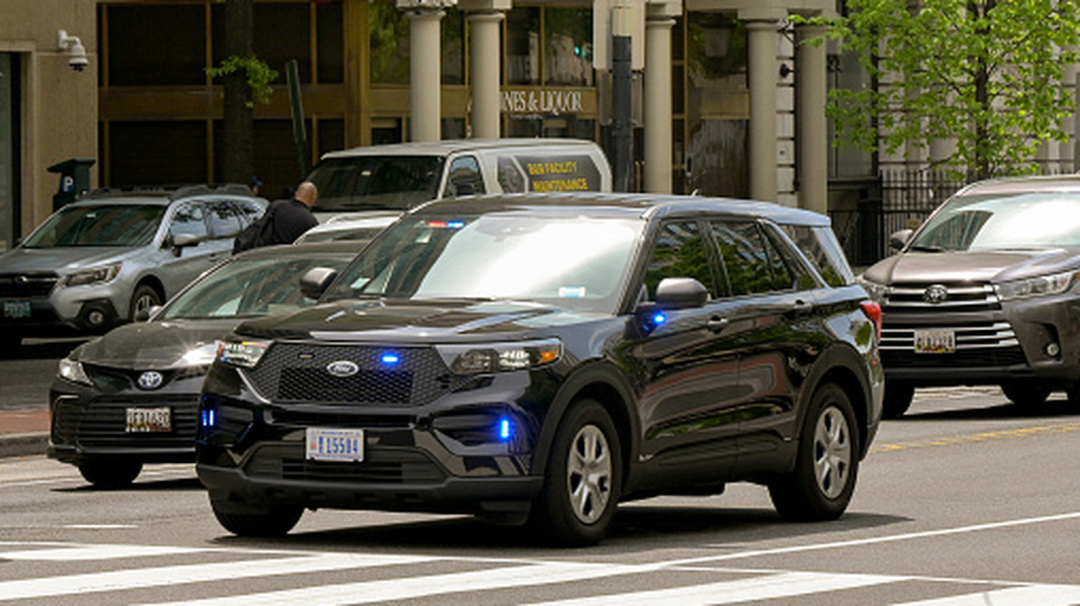
Unmarked police cars are designed to blend in, making them difficult to spot. However, there are some general characteristics that can help identify these vehicles. Law enforcement agencies often prefer American-branded cars, primarily due to funding regulations that favor domestic purchases. A federal statute from 1933 mandates that vehicles bought with federal funds must be made in the U.S., which historically excluded foreign brands. This trend continues today, even though many police vehicles do not appear on lists of the most American-made cars.
The Michigan State Police Vehicle Test program, co-sponsored by the U.S. Department of Justice, evaluates police versions of civilian models to ensure they meet specific standards. This program primarily features vehicles from Stellantis, Ford, and General Motors, which produce the necessary modifications for police use. Consequently, late-model versions of vehicles like the Chevrolet Tahoe, Chevrolet Silverado, Dodge Durango, Ford Explorer, and Ford F-150 are commonly used as unmarked police cars. Recently, both Dodge Chargers and Ford Mustang Mach-Es have also been tested for police use in Michigan.
In addition to the models used, certain specifications can indicate a police vehicle. For instance, a Ford Explorer Police Interceptor may include a low-profile warning LED light bar integrated into the windshield. Spotlights are another common feature, often mounted on the driver's side, which can be a clear indicator of an unmarked patrol car. If you notice a vehicle following you closely, checking for a spotlight can be a useful tactic.
Interior lighting is another detail to consider. Some police vehicles, like the Dodge Durango Police Pursuit models ordered by Washington State, are specified as "slick top" models, meaning they lack a rooftop light bar. Instead, they may have interior light bars installed at the front and rear. Agencies often order vehicles with additional lighting features, such as LED grille lights, which can also help in identifying unmarked cars.
Recognizing Police Vehicle Markings
Another critical aspect to watch for is the paint scheme or markings on the vehicle. Laws in various states require police cars to have identifiable markings. For example, Ohio prohibits unmarked cars from being used for traffic enforcement. If an officer pulls you over in Ohio without identifiable markings, they may not be able to testify in court regarding the stop. Similarly, Michigan mandates that police vehicles must be identifiable, while Minnesota Highway Patrol vehicles must predominantly feature maroon colors.
Case Closed
Some jurisdictions, like Texas, allow unmarked cars but require them to have some visible details. However, Texas has also introduced ghost vehicles with minimal insignia, making them harder to identify. California and Maryland have similar regulations, requiring distinct markings while also utilizing ghost decals.
City ordinances can further protect citizens' rights. For example, Orlando, Florida, prohibits police in unmarked cars from making routine traffic stops. Tulsa, Oklahoma, has similar restrictions, ensuring that unmarked vehicles do not engage in regular enforcement activities. While these laws do not directly aid in identifying unmarked cars, they do establish boundaries for police conduct, potentially safeguarding citizens' rights against unwarranted stops.