Insights from Iranian Defectors on Security Operations and Regime Loyalty
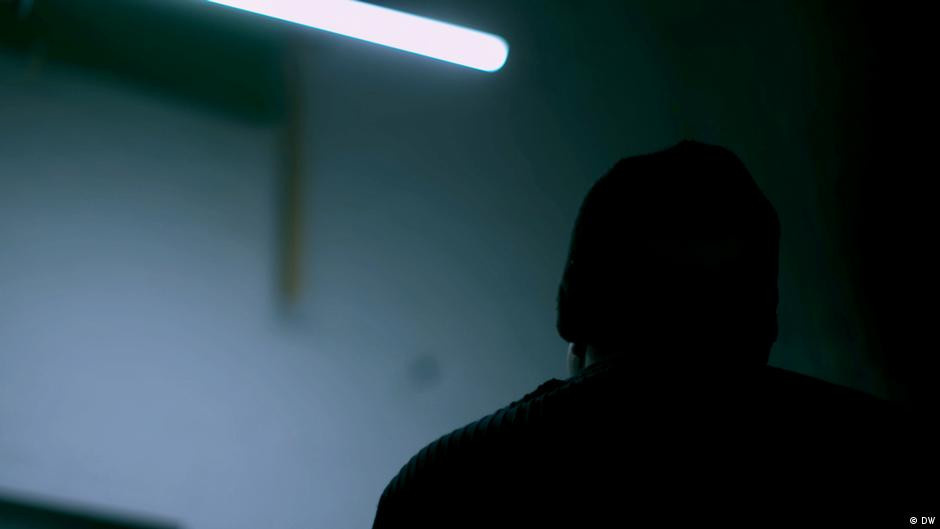
Omid, whose real name is withheld for safety reasons, joined Iran's security forces at 18, driven by a strong sense of patriotism. He described how cadets are indoctrinated under the regime's strict control, shaping their beliefs and loyalty. As he advanced through the ranks, he became privy to a clandestine circle of officers who orchestrate missions, including abductions and assassinations, both domestically and abroad. Omid shared records and images from his training, which included various combat techniques and surveillance operations, as well as details about secret facilities used by high-ranking officials.
Omid's insights shed light on the Iranian security apparatus's inner workings, revealing how the regime maintains loyalty among its ranks despite widespread protests and international sanctions. He emphasized that a select group of officers, united in their allegiance to the supreme leader, engage in plotting against the regime's adversaries. His testimony was corroborated by documents and photographs, as well as a second defector, Reza, who worked with Iran's intelligence agency.
Reza, who initially supported the regime, became disillusioned after witnessing the violent suppression of protests. He recounted the brutal tactics employed by security forces against civilians, including the shooting of unarmed protesters. Both defectors expressed their horror at the regime's actions, which ultimately compelled them to speak out despite the risks involved.
The defectors detailed the operations conducted from secret command centers, where high-ranking officials monitor protests using advanced surveillance technology. They described how agents infiltrate protest groups to manipulate demonstrations, often leading them into traps set by security forces. The regime's use of military-grade weapons against civilians underscores the calculated nature of its response to dissent.
Inside Covert Operations Against Protesters
Omid pointed to a location in Shahr-e Rey, a prayer hall where clandestine meetings occur to plan operations that bypass official channels. He described these gatherings as a 'killing machine,' where decisions about targeted actions are made under the guise of religious ceremonies. Despite his claims of never participating in these operations, he acknowledged witnessing the aftermath of violence against protesters.
Experts consulted by DW confirmed the plausibility of such covert operations, suggesting that the regime's need for secrecy has increased in light of ongoing protests and international scrutiny. The defectors' accounts provide a rare and troubling insight into the mindset of those who serve the Iranian regime, revealing the lengths to which it will go to maintain control and suppress opposition.
Filed & Cleared
The defectors highlighted the importance of maintaining a separation between security personnel and ordinary citizens, which facilitates indoctrination and peer pressure. This isolation makes it easier for security forces to act violently against their fellow Iranians without hesitation. The testimonies of Omid and Reza illustrate the complex dynamics within the Iranian security forces and the moral dilemmas faced by those who serve the regime.
As the situation in Iran continues to evolve, the insights provided by these defectors underscore the challenges faced by those who oppose the regime and the lengths to which it will go to silence dissent. Their stories serve as a reminder of the ongoing struggle for freedom and human rights in Iran, as well as the need for continued scrutiny of the regime's actions both domestically and internationally.