New Chip-Based Device Enhances Mobile Timekeeping and National Security
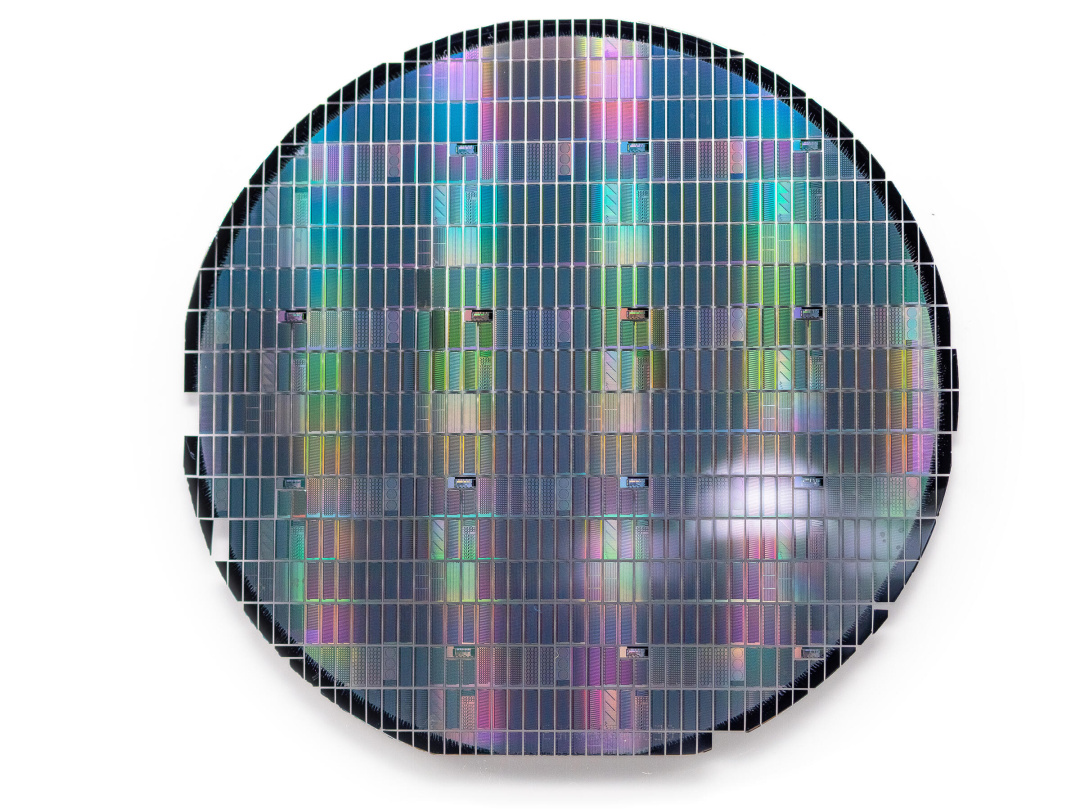
Researchers at the National Institute of Standards and Technology (NIST) have introduced a groundbreaking chip-based device that functions as a miniature tape measure for light. This innovative technology allows for high-quality optical measurements without the need for cumbersome laboratory equipment. The device is poised to revolutionize ultraprecise mobile timekeeping, which is essential for providing navigation signals to drones, vehicles, submarines, and other modes of transport when GPS signals are compromised or unavailable.
The new instruments, referred to as microchip frequency combs, generate a spectrum of precisely spaced colors that serve as tick marks on a ruler, enabling the measurement of light frequencies with exceptional accuracy. These frequency combs are critical components of optical atomic clocks, which deliver extremely precise timing signals. The potential applications of mobile optical clocks extend beyond mere timekeeping; they could also enhance military navigation and facilitate exploration in oil, gas, and mineral sectors.
In their research, scientists from NIST and the Joint Quantum Institute (JQI), a collaboration with the University of Maryland, utilize light from two lasers that circulate around a tiny ring known as a microresonator. This interaction produces the evenly spaced tick marks characteristic of a frequency comb. This method effectively circumvents issues associated with earlier single-laser techniques, which required additional power-intensive equipment to generate stable and high-quality tick marks.
Significance for National Security Applications
The implications of this technology are significant, particularly in the context of national security. By providing reliable navigation signals in scenarios where traditional GPS systems fail, this chip-based device could enhance operational capabilities for military and civilian applications alike. As the development of these portable atomic clocks progresses, their integration into various sectors could lead to advancements in precision timing and navigation, marking a notable step forward in the field of optical technology.
Final Brief
The versatility of the new chip-based device opens up numerous possibilities for its application. Beyond military uses, the technology could be instrumental in sectors that rely on precise timing and navigation, such as telecommunications and transportation. As researchers continue to refine this technology, the potential for portable atomic clocks to transform industries becomes increasingly apparent.
The ongoing research at NIST and its collaborations highlight the importance of innovation in the realm of national security and technology. As these advancements unfold, they promise to enhance the reliability and accuracy of navigation systems, ensuring that critical operations can continue even in challenging conditions. The future of mobile timekeeping looks promising, with the potential to significantly impact both civilian and military operations.