Silent Lynx: Kazakhstan-Linked Hackers Target Russian Energy Sector
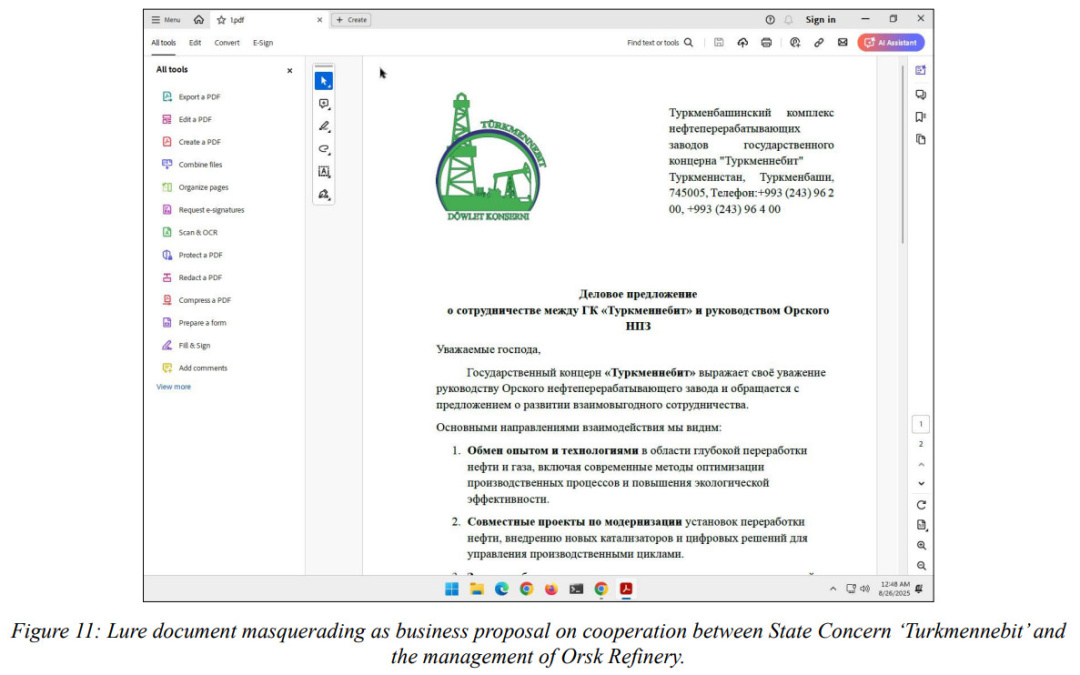
Researchers from Cisco Talos and Recorded Future have published a comprehensive analysis of a cyber espionage group known as Silent Lynx, which is believed to be based in Kazakhstan. This group has been actively targeting Russian energy infrastructure and government entities, particularly focusing on the Orsk Oil Refinery and the government of Nizhny Novgorod. The Orsk refinery, located near the Kazakhstan border, has been a significant target due to its strategic importance in the region, especially following disruptions caused by a Ukrainian drone attack.
Silent Lynx has been conducting targeted intrusion campaigns against various organizations in Central Asia since at least 2024. Their operations have primarily involved spear-phishing tactics, utilizing compromised government email accounts to enhance the credibility of their attacks. The group has shown a persistent focus on high-value public sector organizations within the Commonwealth of Independent States (CIS).
The group's technical approach is characterized by lightweight tools, including PowerShell-based reverse shells and proprietary software written in languages such as C++ and Go. They have also employed common tunneling tools and have staged malware through trusted platforms like GitHub, which has allowed them to maintain a low profile while executing their operations.
Notably, the researchers have uncovered connections between Silent Lynx's activities and geopolitical events. For instance, a Tajik government agency contacted a Silent Lynx server shortly after Kazakhstan ratified a treaty with Tajikistan, suggesting potential state-sponsored motivations behind their cyber activities. Additionally, the group's interest in the Orsk refinery may relate to Kazakhstan's economic interests in the region, particularly in light of recent disruptions in Russian refining capacity.
Operational Security Flaws Revealed
The report highlights that the group's operational security has been compromised by their own mistakes, such as leaving open directories on public servers that contained sensitive information. This operational sloppiness has provided researchers with valuable insights into their methods and origins. Evidence suggests that the group has been active during specific hours that align with Kazakhstan's time zone, further supporting the assessment of their geographic base.
Cleared to File
In recent developments, Silent Lynx has begun to adopt more sophisticated techniques, including exploiting vulnerabilities in software to deliver malware. Their evolving capabilities indicate a shift towards more advanced cyber operations, which could pose significant threats to regional security. The researchers emphasize that while they have identified patterns and connections, definitive motives behind the group's actions remain unclear.
The full report by Cisco Talos and Recorded Future includes detailed indicators of compromise and infrastructure information, underscoring the importance of vigilance against emerging cyber threats in the region.