Iran's Proxy War and the Escalating Middle East Crisis
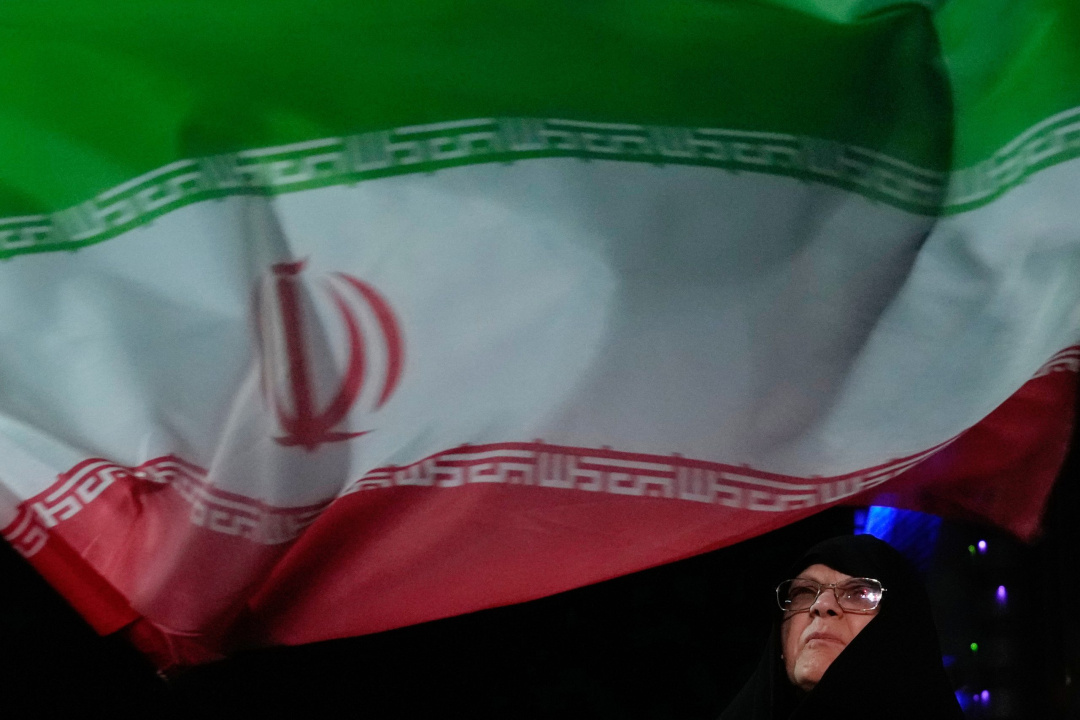
Brian Kilmeade recently addressed the escalating crisis in the Middle East, emphasizing Iran's involvement through its proxy forces, particularly the Houthis. This situation has raised significant concerns among regional and global observers regarding stability and security in the area. The discussion featured insights from Martha MacCallum, who provided context on the complexities of the conflict and the broader implications for U.S. foreign policy.
In addition to the geopolitical analysis, the conversation also highlighted the potential dangers associated with an unregulated arms race in technology, particularly artificial intelligence. Tristan Harris, co-founder of the Center for Humane Technology, shared his perspective on the hidden risks that come with rapid advancements in AI and the need for regulatory frameworks to manage these developments responsibly.
The dialogue further explored the political landscape in the United States, with Caroline Downey analyzing the impact of far-left ideologies on the upcoming midterm elections. Rich Lowry contributed to the discussion by addressing the ongoing investigation by the Department of Justice into political figures, including Ilhan Omar, which adds another layer of complexity to the current political climate.
Case Closed
As tensions continue to rise in the Middle East, the interplay between regional conflicts and domestic political dynamics in the U.S. remains a critical area of focus for analysts and policymakers alike. The implications of Iran's actions through its proxies, coupled with the challenges posed by emerging technologies, underscore the need for a comprehensive approach to both foreign and domestic issues.