Geopolitical Tensions Threaten Arctic Wildlife Research Funding
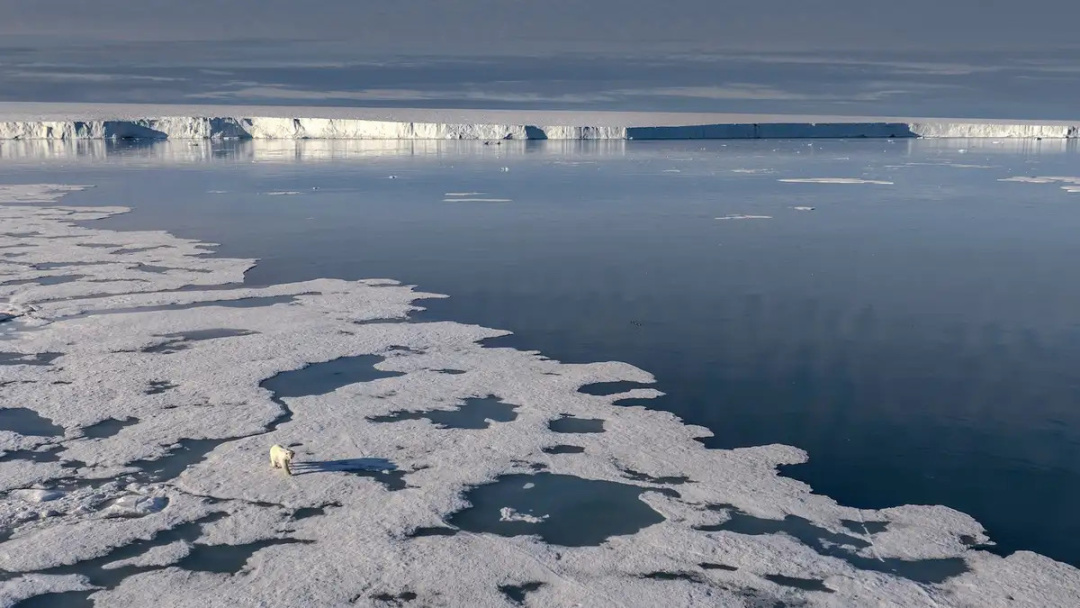
In recent years, the Arctic has seen a significant decline in funding for wildlife research, a trend that coincides with rising geopolitical tensions and a renewed focus on national security. The Canadian government, for instance, has made cuts to environmental research programs, including the closure of a key research station on Mitivik Island, which had been instrumental in studying the nesting habits of eider ducks. This station had previously collaborated with local Inuit communities to monitor bird populations and assess the impacts of climate change, disease, and predation by polar bears.
The closure of this research facility in 2024 marked a troubling shift, as the number of nesting eiders plummeted from 8,000 pairs to just a few hundred. Currently, only three of the fourteen migratory bird sanctuaries in the Arctic continue to receive federal research support. The Canadian Wildlife Service has faced challenges due to the high costs associated with Arctic research and a series of funding cuts that have hindered its operations.
Experts like Larry Hinzman from the University of Alaska, Fairbanks, note that the decline in funding is not solely due to rising operational costs but also reflects a broader shift in governmental priorities. As the focus has shifted from climate change to national security and resource extraction, many wildlife research initiatives have been sidelined. This trend is echoed in the United States, where collaborations with Russian researchers have been suspended following geopolitical events, further limiting the scope of Arctic research.
Canada's Infrastructure Investments in the Arctic
Despite the challenges, Canada is investing heavily in infrastructure projects aimed at resource development in the Arctic, including a new highway to facilitate access to remote areas. This investment underscores the government's commitment to asserting sovereignty over its Arctic territory, even as it cuts funding for scientific research.
Final Brief
The decline in research funding comes at a critical time when many Arctic species are adapting to rapidly changing environmental conditions. Studies indicate that at least 96 species of Arctic mammals and birds are altering their migration patterns in response to warmer temperatures and changing landscapes. However, without adequate research, understanding these changes and their implications for wildlife becomes increasingly difficult.
As scientists express concern over the unprecedented decline in Arctic research, they emphasize the need for continued monitoring to understand how climate change is affecting wildlife. The loss of research capacity not only hampers efforts to track species health but also limits the ability to respond effectively to the challenges posed by a warming Arctic. The situation highlights the urgent need for a balanced approach that prioritizes both national security and environmental stewardship in the Arctic region.