MI5 Chief Warns of Evolving Hybrid Threats from Russia and Iran
The head of Britain's domestic spy agency MI5, Sir Ken McCallum, recently outlined the changing landscape of national security threats facing the U.K. and the world. During his annual threat update at MI5 headquarters in London, McCallum stated, "We have entered a new era of national security, requiring a new response." He emphasized that adversaries are now targeting individuals, businesses, and communities rather than just government properties.
McCallum identified Russia as the primary aggressor, while also noting a significant shift in Iranian tactics aimed at harder targets. Both nations have adopted evolving hybrid tactics, which include a range of attacks across the U.K. and Europe, from military installations to civilian sites.
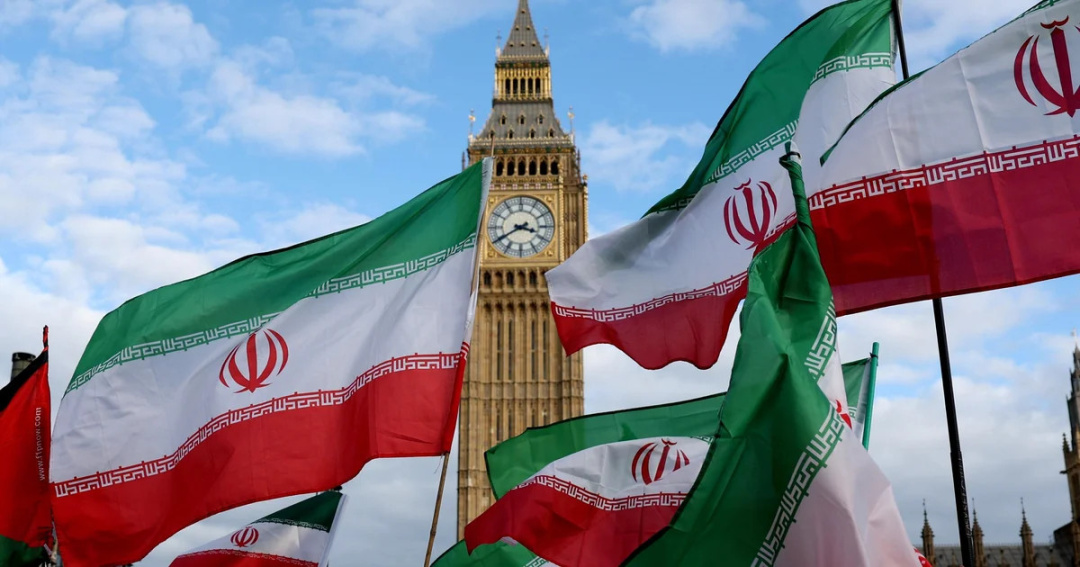
Iran has been using criminal proxies to intimidate opposition figures and target Israeli interests, according to McCallum. He pointed out that the ongoing conflict between the U.S. and Iran has led to an expansion of these hybrid campaigns, resulting in over 50 arrests in the U.K. in the past year. Many of these incidents have disproportionately affected British Jewish communities, with reports of arson and sabotage directed at these groups.
Iran's Proxy Groups and Their Activities
The group Harakat Ashab al-Yamin al-Islamiya (HAYI), linked to Iran's Quds Force, has claimed responsibility for several attacks. A CBS News investigation revealed connections between this group and Iranian interests, with threats made against U.S. and Israeli targets.
Final Brief
Despite the threats from Iran, McCallum reiterated that Russia remains the most significant concern for U.K. security. He noted that Russian military and intelligence operations are escalating their hybrid warfare tactics while carefully avoiding actions that would trigger NATO's collective defense response under Article 5. McCallum remarked, "It'd be foolish for them to cross that line," indicating that Russia is currently employing strategies that stop short of conventional warfare.
As the situation evolves, the U.K. must remain vigilant against these hybrid threats, adapting its security measures to address the changing tactics employed by both Russia and Iran.