U.S. Justice Department Halts Prosecution of Former CIA Analyst
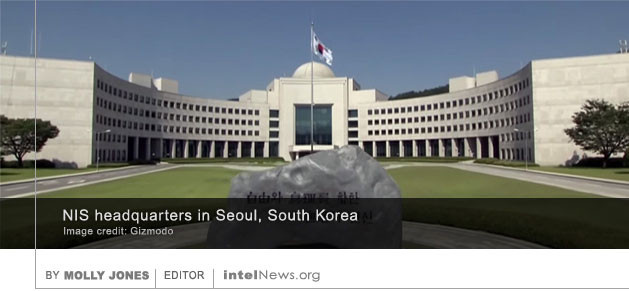
The U.S. Justice Department has agreed not to prosecute Sue Mi Terry, a former CIA analyst who was accused of serving as a secret agent for South Korea’s intelligence service. This decision, announced through court documents, indicates that the prosecution will be deferred for a year, with the possibility of dropping the charges if Terry stays out of legal trouble.
In 2024, federal prosecutors alleged that Terry had shared nonpublic government information, facilitated access for South Korean officials to U.S. officials, and accepted luxury gifts in exchange for advocating South Korean government positions during media appearances. The Justice Department did not provide specific reasons for halting the prosecution but stated that it determined that deferring prosecution would best serve the interests of both Terry and the United States.
Terry was scheduled to stand trial in a Manhattan federal court on charges of acting as an unregistered foreign agent. Her attorney, Lee Wolosky, expressed satisfaction with the outcome, emphasizing that Terry had served her country loyally for many years. Wolosky maintained that her interactions with South Korean officials were conducted in furtherance of U.S. interests, highlighting her expertise as a specialist on North Korea and East Asia.
Case Closed
As part of the agreement, Terry signed a document acknowledging certain facts of the case, including sharing notes with a South Korean intelligence officer from an off-the-record meeting with then-U.S. Secretary of State Antony Blinken in 2022. The document also revealed that she accepted designer handbags and coats from South Korea’s intelligence service, valued at approximately $9,245, for her work.
The case has drawn attention to the complexities of intelligence work and the fine line between advocacy and espionage. As the situation develops, it raises questions about the implications for U.S. intelligence operations and the relationships between intelligence agencies and foreign governments.