Silicon Valley's Defense Tech Innovations Accelerate Pentagon Weapon Development
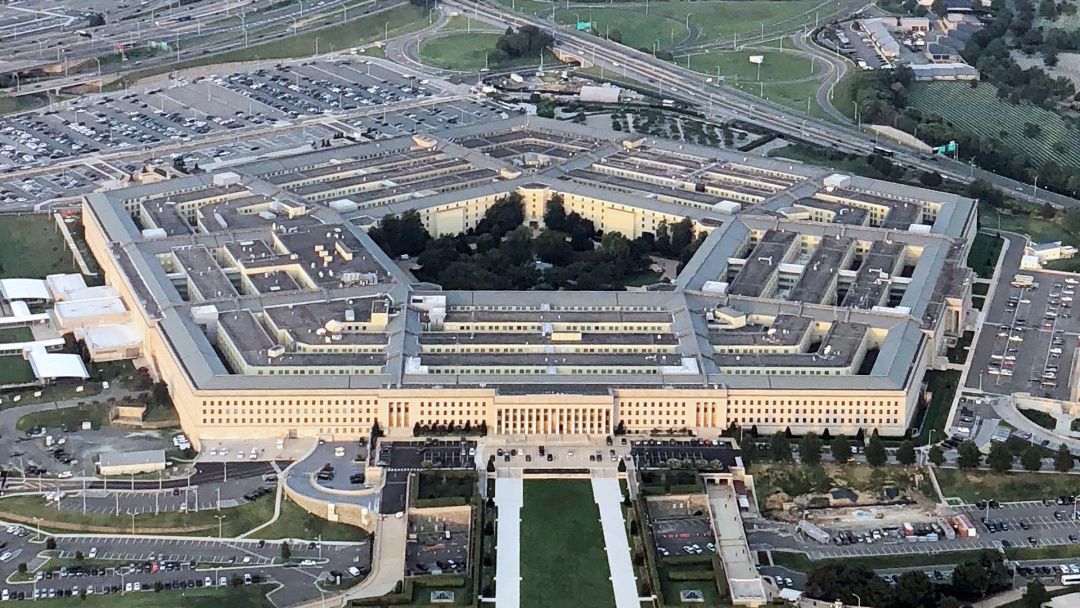
Silicon Valley, long recognized for its groundbreaking technological advancements, is now channeling its innovations toward national security. The Pentagon is taking significant notice of this shift, as companies develop technologies that enhance military capabilities. Richard Jenkins, founder and CEO of Saildrone, recalls a time when the U.S. Navy was skeptical about unmanned systems. Fast forward twelve years, and Saildrone is now collaborating with various branches of the military, including the Coast Guard and Homeland Security, deploying autonomous vessels that can remain at sea for extended periods, equipped with advanced sensors and cameras.
These vessels have proven invaluable in operations, such as tracking ships and identifying threats to critical infrastructure. Jenkins highlighted a recent incident where a Saildrone Voyager detected suspected drug smugglers, leading to the seizure of over $81 million worth of cocaine. This summer marked a significant milestone for the company, as one of its vessels successfully launched missiles during Navy training exercises, showcasing the evolution from mere surveillance to active engagement capabilities.
The Defense Innovation Unit (DIU), established to bridge the gap between commercial technology and military needs, has played a pivotal role in this transformation. Jenkins noted that the demand for sophisticated technology has surged, with military clients seeking advanced capabilities ranging from signals intelligence to electronic warfare. Sarah Pearson, DIU's Chief of Strategic Initiatives, emphasized the importance of rapidly integrating these technologies into military operations, especially in light of recent global events.
Dan Berkenstock, co-founder of Skybox and now affiliated with the Hoover Institution, likened the current moment in Silicon Valley to the Golden Era of American innovation in the 1950s and 60s. He pointed out that a new generation of entrepreneurs, motivated by events like 9/11, is eager to contribute to national security. This shift has been further accelerated by geopolitical tensions, particularly Russia's invasion of Ukraine, prompting many in the tech industry to consider how their innovations can support U.S. defense efforts.
Funding Challenges for Defense Startups
Despite the growing interest in defense technology, Pearson noted that less than 1 percent of the Pentagon's budget is allocated to venture-backed startups. For these companies, securing Pentagon contracts is essential for sustainability. Foundation Future Industries, which is developing humanoid robots, exemplifies this trend. Co-founder Mike LeBlanc shared that the Department of Defense has invested over $73 million in their technology, underscoring the critical link between military funding and commercial innovation.
Filed & Cleared
The defense tech boom is not limited to autonomous vessels and robots; it extends into space as well. Berkenstock warned that as space becomes increasingly dynamic, it is likely to become a battleground, necessitating advanced technologies to maintain U.S. superiority. Experts agree that the U.S. must act swiftly to ensure it does not fall behind adversaries who are also pursuing similar technologies.
As the Pentagon continues to prioritize the integration of cutting-edge technologies, the focus remains on not just developing better weapons but also on enhancing the speed of technological advancement. This evolving landscape underscores the importance of collaboration between Silicon Valley and the military, as both sectors work together to address emerging threats and secure national interests.