Slovakia Restores Military-Diplomatic Ties with Russia Amid Espionage Concerns
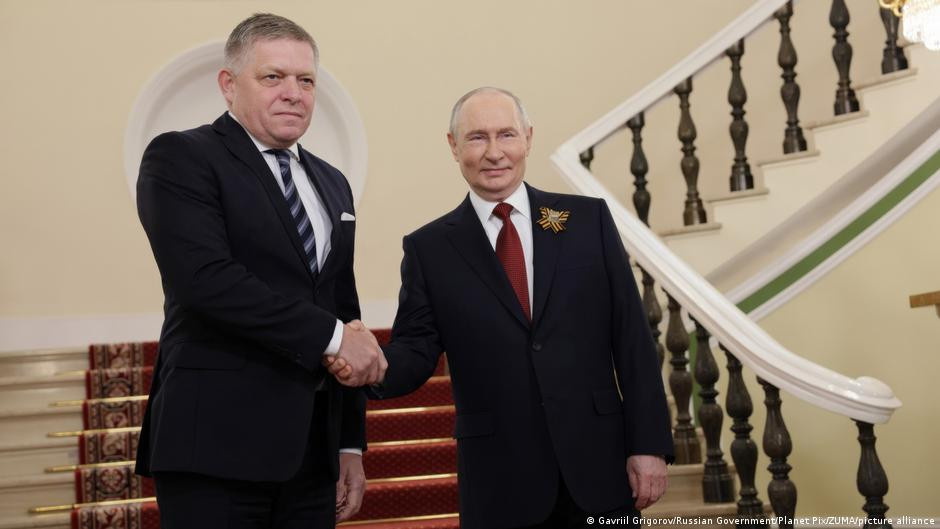
Slovakia has taken a significant step by restoring military-diplomatic representation with Russia, a move that has sparked considerable debate among political figures and analysts. This decision follows a meeting between Slovak Prime Minister Robert Fico and Russian President Vladimir Putin in May, where Fico emphasized the need for relations to extend beyond energy supplies. As part of this arrangement, Slovakia has dispatched Brigadier General Slavomir Staviarsky and Colonel Ivo Gahir to Moscow, marking the first such deployment since Russia's invasion of Ukraine in February 2022.
The re-establishment of these military ties has drawn sharp criticism from opposition leaders who express concerns over potential espionage risks. Martin Poliacik, a former Slovak MP, highlighted that the appointment of a military attache could signal a troubling political message to NATO allies. He noted that while one additional attache may not drastically alter the security landscape, it raises significant concerns about the operational environment in which the incoming officer will function.
Reports indicate that the Slovak Defense Ministry has confirmed the appointments, with Staviarsky already in Moscow since early August. The incoming Russian military attache, identified as Maxim Verezan, has reportedly received Slovak approval, although he has not yet been officially listed among accredited military attaches. This situation has revived memories of past espionage incidents, notably involving Sergei Solomasov, a former Russian military attache expelled from Slovakia after being implicated in espionage activities.
Opposition defense experts warn that the renewed military representation could facilitate Russian intelligence operations in Slovakia. They argue that while a Slovak attache in Moscow may struggle to gather meaningful intelligence, the reciprocal posting of a Russian officer could enable disinformation campaigns and influence operations within Slovakia. Critics question what Slovakia stands to gain from this arrangement, especially given the historical context of espionage scandals involving Russian operatives.
Government Justifies Military Diplomacy Strategy
In defense of the decision, government officials argue that maintaining military contacts is essential for gathering intelligence and assessing the security landscape. Richard Gluck, a member of Fico's Smer party, pointed out that the absence of military diplomats in Moscow had resulted in a significant loss of information for Slovakia. He emphasized the importance of having a presence in Moscow, citing the presence of military diplomats from other NATO countries.
However, retired Lieutenant General Pavel Macko cautioned that the geopolitical landscape remains fraught with challenges. He noted that Russia's aggressive actions in the region have not diminished, and the potential for hostile activities persists. Macko highlighted recent incidents, including a foiled plot against a Ukrainian-owned facility in Slovakia, as evidence of ongoing Russian operations.
Filed & Cleared
As Slovakia navigates this complex diplomatic terrain, the implications of restoring military ties with Russia will likely continue to be a contentious topic. Critics, including Poliacik, suggest that political motivations may underlie Fico's decision, particularly as he prepares for upcoming elections. They argue that Fico may seek to position himself as a peace advocate while downplaying Slovakia's role in supporting Ukraine through arms supplies under commercial contracts rather than formal military aid.
The situation underscores the delicate balance Slovakia must maintain between fulfilling its NATO commitments and addressing internal political dynamics. As the country re-engages with Russia, the potential impact on intelligence-sharing and trust among allies remains a critical concern.