CIA Director Proposes Trilateral Summit Amid Diesel Import Talks with Russia
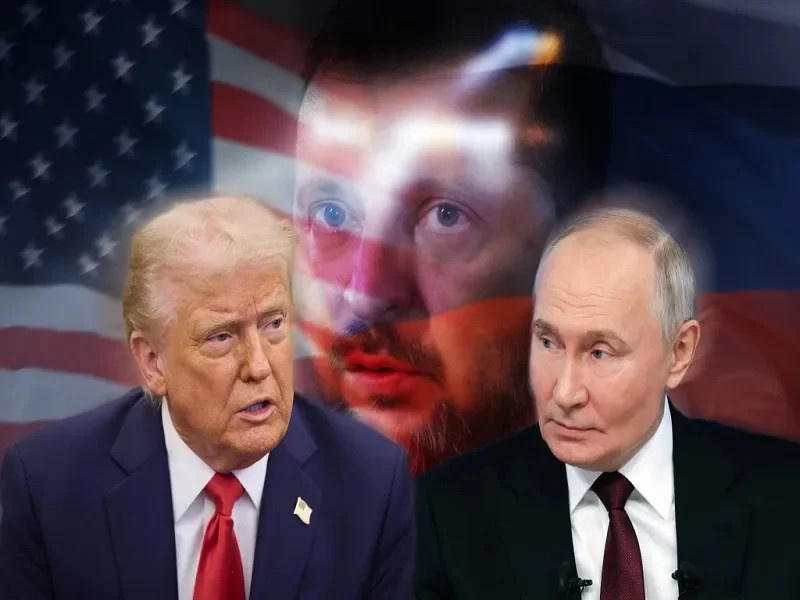
In late August 2026, CIA Director John Ratcliffe traveled to Moscow for a covert mission that involved discussions with Russian intelligence officials. Reports indicate that Ratcliffe proposed a trilateral summit aimed at bringing together U.S. President Donald Trump, Ukrainian President Volodymyr Zelensky, and Russian President Vladimir Putin to facilitate negotiations that could potentially end the ongoing war in Ukraine.
During his visit, Ratcliffe met with Sergei Naryshkin, the head of Russia’s Foreign Intelligence Service, and Alexander Bortnikov, the director of the Federal Security Service (FSB). The primary goal of the visit was to explore whether Russian intelligence leaders could persuade Putin to resume U.S.-mediated talks with Ukraine, although Putin reportedly refused to engage in such discussions.
Trump, in a statement, claimed to have concluded a successful discussion with Putin regarding the delivery of millions of tons of diesel fuel to the U.S. in the coming months. He emphasized that lowering diesel prices for Americans, particularly for farmers and truckers, was a top priority. Diesel prices had surged due to geopolitical tensions, particularly following Iran's closure of the Strait of Hormuz, a critical passage for global oil supplies.
As the midterm elections approached, the rising cost of diesel, which had reached a record high, posed a significant challenge for Trump and the Republican Party. Diesel is essential for supply chains, and its increased costs directly impact consumer prices and agricultural operations.
U.S. Diplomacy and Diesel Negotiations
On October 9, 2026, U.S. envoys Steve Witkoff and Jared Kushner met with Putin in Moscow as part of ongoing efforts to negotiate an end to the conflict in Ukraine. This meeting marked the first high-level U.S. visit to Russia since Trump began his second term. Both sides acknowledged the necessity of addressing the underlying causes of the conflict.
The discussions coincided with the announcement of a deal for Russian diesel to be sold to the U.S. at reduced prices. While peace negotiations remain uncertain, there are indications that Trump and Putin informally agreed on a potential regime change in Ukraine, suggesting that Zelensky may need to step down. This development could lead to significant opposition from various factions, including the EU, NATO, and elements within the U.S. government.
Clearance Granted
The implications of Trump's agreement to purchase Russian diesel extend beyond energy prices and touch on the broader geopolitical landscape. If the proposed regime change occurs, it could further complicate U.S. relations with Ukraine and its European allies, raising questions about the future of the conflict and the stability of the region.
As the situation unfolds, the motivations behind Trump's negotiations with Russia and the potential impact on U.S. domestic politics remain critical areas of focus. The upcoming midterm elections could be influenced by the outcomes of these discussions and the public's perception of energy prices and foreign policy decisions.