Russian Military Blogger Mikhail Zvinchuk Detained in Montenegro

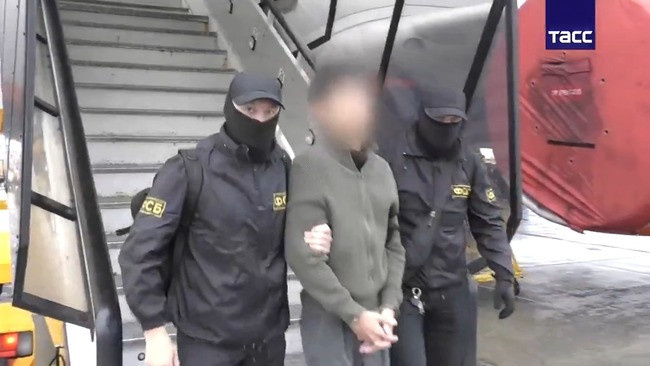
Mikhail Zvinchuk, the founder of the Russian military Telegram channel Rybar, has been detained in Montenegro, according to local media reports. The operation was carried out by police and the National Security Agency in the coastal town of Risan. Reports indicate that Zvinchuk's wife and three associates were also taken into custody during the operation.
The authorities have described the operation as targeting alleged "hybrid activity" associated with the Rybar network, although no specific evidence supporting these accusations has been disclosed. The Rybar channel, which boasts approximately 1.3 million subscribers, has previously faced accusations from the United States and the United Kingdom for disseminating Russian propaganda and conducting information operations abroad. In 2024, the U.S. State Department even issued a $10 million bounty for information regarding the individuals behind the Rybar channel.
The Russian embassy in Montenegro is currently seeking clarification on the circumstances surrounding Zvinchuk's detention, as stated by Maria Zakharova, a spokeswoman for the Russian Foreign Ministry. The Telegram channel Baza has confirmed Zvinchuk's arrest, reporting that he and his wife were detained at 7:30 AM local time at the Mövenpick Hotel in Risan. They were reportedly not permitted to settle their hotel bill or retrieve their belongings before being taken into custody.
Cleared to File
Following their detention, Zvinchuk and his wife were transported to Montenegro's capital, Podgorica, where they are reportedly undergoing interrogation. Their phones and documents have been confiscated by the authorities. Montenegrin media have reported that local security services had been monitoring Zvinchuk's group for several days prior to the arrests. It is believed that the Rybar team had traveled to Montenegro to film a report concerning the country's plans to align its visa policy with European Union standards.
The planned video is viewed by authorities as an attempt to depict European integration as a threat to Montenegro's tourism, economy, and national interests.