FBI Raises Concerns Over Flight Risk of Accused Chinese Agent Wanying Zhang

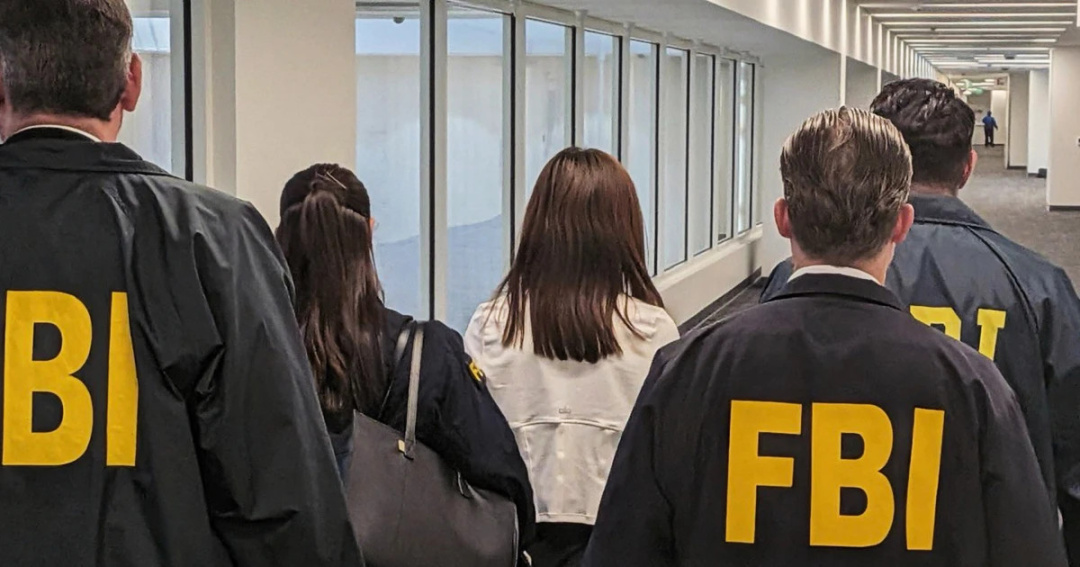
The FBI has expressed concerns that Wanying Zhang, a California realtor arrested at Los Angeles International Airport, may attempt to flee the country if released after her upcoming court hearing. Law enforcement sources have indicated that Zhang has significant ties to China, including a business, a bank account, and family members residing there.
Zhang, 34, was apprehended while attempting to board a flight to Shanghai. She is currently in the custody of U.S. Marshals and faces federal prosecution for allegedly surveilling the son of the Taiwanese president in Washington last year, reportedly at the behest of Chinese government officials. During a brief court appearance, she was advised to secure a private attorney before her detention hearing.
According to the criminal complaint, Zhang attended the University of International Relations in Beijing, an institution known for its connections to China's Ministry of State Security. This agency is responsible for intelligence and secret police operations in China. FBI counterintelligence special agent Kevin Holt noted in his affidavit that the ministry actively recruits from this university, and sources have indicated that Zhang was among the top students in her class.
Zhang's social media presence reveals connections to individuals affiliated with the university, further raising suspicions about her activities. Additionally, she has links to the All American Chinese Association, a group with strong ties to the Chinese government. Zhang participated in events supporting Chinese President Xi Jinping, although there is no evidence linking her to any violent actions during these gatherings.
Implications of Zhang's Foreign Ties
As the case unfolds, the implications of Zhang's alleged actions and her connections to foreign entities will be closely scrutinized, highlighting ongoing concerns about espionage and foreign influence in the United States.
Final Assessment
The legal proceedings against Zhang will likely draw attention to the broader issues of national security and foreign interference. As the FBI continues its investigation, the case may set a precedent for how similar allegations are handled in the future. Zhang's ties to organizations that have previously registered under the Foreign Agents Registration Act underscore the complexities of navigating foreign influence in domestic affairs.
The situation surrounding Wanying Zhang remains fluid, with her next court appearance expected to provide further clarity on the charges and the government's stance. The case serves as a reminder of the ongoing challenges posed by foreign agents operating within the United States and the importance of vigilance in safeguarding national security.