Former NSA Director Discusses Cybersecurity Challenges from Global Adversaries
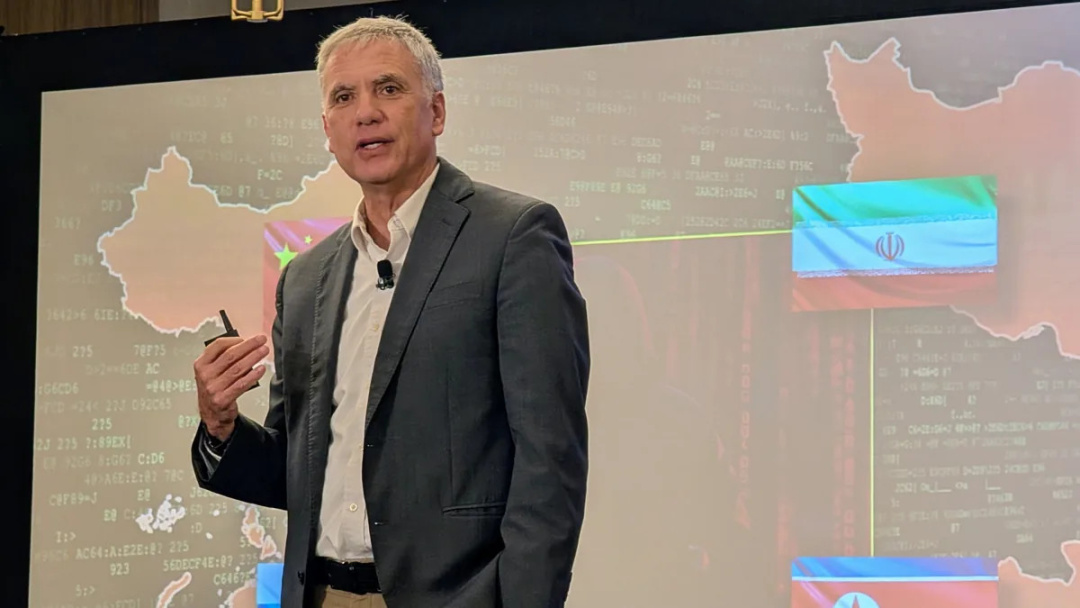
At a recent cybersecurity conference, Paul Nakasone, a retired Army general and former director of the National Security Agency, emphasized that the most pressing challenges in cybersecurity involve human factors rather than just technological solutions. Speaking at ThreatCon1, an event hosted by VulnCheck in Virginia, Nakasone noted the significant changes in the geopolitical landscape, particularly the rise of China as a formidable adversary in cyberspace.
Nakasone, who began his tenure at the NSA in 2018, shared insights from his experience, recalling how he developed a list of critical events that would warrant immediate attention. He noted a marked increase in urgent calls during his final months at the agency, reflecting the growing complexity of cybersecurity threats. He identified China as the primary cybersecurity threat, citing its rapid economic growth and sophisticated cyber operations, including long-term campaigns like Volt Typhoon and Salt Typhoon.
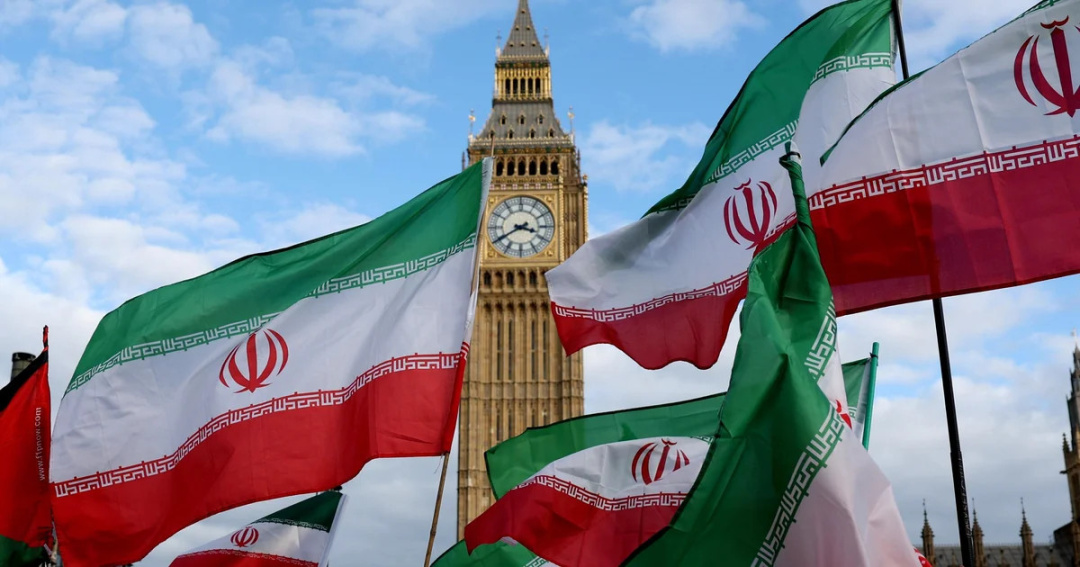
Following China, Nakasone ranked Russia as the second most significant threat, referencing the SolarWinds attack as a prime example of advanced supply chain vulnerabilities. He also highlighted the involvement of Russian cybercriminals in high-profile incidents such as the Colonial Pipeline ransomware attack. Iran was mentioned for its aggressive cyber activities targeting critical infrastructure, particularly in Minnesota, while North Korea was acknowledged for its infiltration of U.S. tech companies.
The Role of AI in Cyber Defense
Nakasone underscored the transformative role of artificial intelligence in cybersecurity, describing it as the most significant technological shift. He cautioned that deploying AI agents could introduce new vulnerabilities, stressing the importance of monitoring and protecting these systems. He also addressed the contentious issue of data centers, which have become a point of contention in Virginia and beyond. Nakasone acknowledged the necessity of these facilities for national security while recognizing public concerns about their impact on electricity rates.
Clearance Granted
He advocated for a narrative that addresses these concerns while emphasizing the need for data centers in the fight against cyber threats. Nakasone called for stronger partnerships between the government and private sector to enhance cybersecurity efforts and rebuild alliances that have been strained in recent years. He pointed out the importance of immigration in maintaining the U.S.'s technological edge, noting that many successful tech companies have immigrant founders.
As he concluded his remarks, Nakasone expressed a desire to foster a positive perception of government work in national security, aiming to attract talent back into the public sector. His insights reflect a comprehensive understanding of the current cybersecurity landscape and the multifaceted challenges that lie ahead for U.S. national security.