Arrest of Former German Intelligence Chief Raises Security Concerns
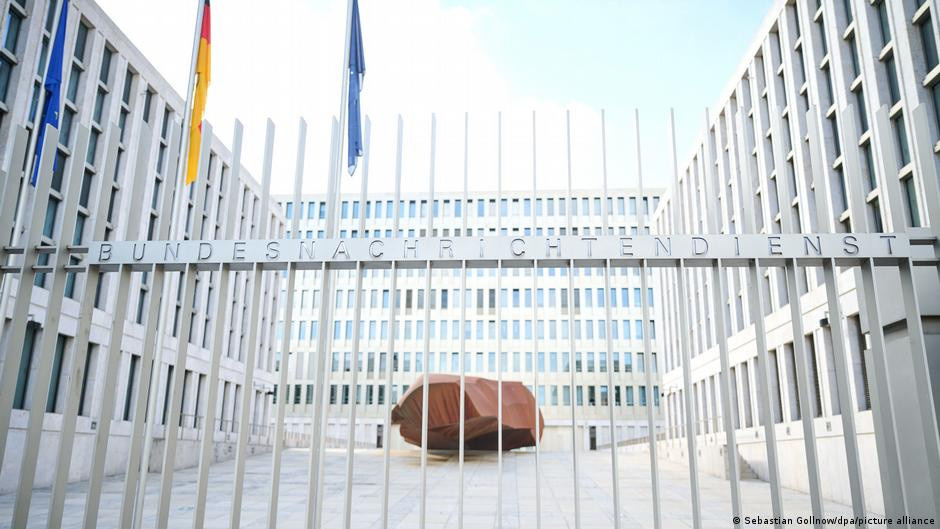
The arrest of August Hanning, the former president of Germany's foreign intelligence service, the Bundesnachrichtendienst (BND), alongside his former chief-of-staff, Manfred D., has raised serious concerns about national security. Analysts suggest that the implications of this scandal could lead to a significant rupture in Germany's intelligence relationships with its allies as the full extent of the situation becomes clearer.
Manfred D. is accused of selling approximately 2,000 highly classified documents to Hanning over a twelve-year span, even after Hanning stepped down from his position in 2005. During this time, Manfred D. continued to serve under Hanning's successors, including the current BND chief, Martin Jäger, until his retirement in March of this year.
According to state prosecutors, Hanning utilized classified intelligence provided by Manfred D. to prepare analyses for foreign intelligence officers. Florian Flade, a reporter for public broadcaster ARD, noted that many of the documents in question were weekly intelligence briefings delivered to the German government, which included sensitive information from partner intelligence agencies. This is particularly alarming as it reportedly involves intelligence related to the Iranian nuclear program, Russian military activities, and the ongoing conflict in Ukraine.
The potential fallout from this scandal is significant, as it raises concerns about how allied intelligence agencies might perceive their relationships with Germany. In the past, the CIA has shared vital information regarding radical Islamist threats in Germany, which has helped prevent terrorist attacks. If it becomes known that sensitive information was compromised through Hanning, it could severely damage trust and cooperation, especially if such information ended up with intelligence agencies in Russia or China.
Flade emphasized the damage being done to the BND's reputation and the ongoing assessment of the situation within the agency. Discussions are taking place with international partners to determine if their information was also compromised. This incident could have dire consequences for Germany's national security, particularly in light of the escalating tensions with Russia. The BND's relationship with the US is considered crucial, and any reduction in intelligence sharing could have serious implications.
Concerns Over Military Readiness and Security Measures
Only a day before the scandal broke, current BND President Martin Jäger expressed concerns about the possibility of Germany becoming embroiled in military conflict with Russia. He described the Kremlin's actions as a "shadow war" and indicated that further military rearmament might be necessary, although he noted that there were no current indications of active preparations from Russia.
In response to the leak of information, Jäger has reportedly expressed his anger and convened a meeting of BND officials to stress the seriousness of the situation. New internal security measures are being implemented to prevent further breaches.
This scandal comes at a particularly inopportune time for the BND, as new legislation is being prepared to expand the agency's powers and improve its standing among foreign partners. Additionally, another BND agent and a businessman are currently facing trial for treason related to passing classified documents to the Russian secret service in 2022.
Final Brief
The case has also sparked a debate about the activities of former intelligence officials after they leave office. Hanning, after his tenure at the BND, established a security consultancy business, leveraging his contacts and expertise to advise clients. While this practice is legal, there are growing concerns about the potential for foreign influence and the risks it poses to Germany's security interests. Timo Lange from the NGO LobbyControl has argued that former intelligence officials should be barred from working as consultants for life, citing the dangers of their insider knowledge being exploited by foreign entities.
Flade pointed out that Hanning's career trajectory is not uncommon, as many former officials seek to monetize their expertise through networking and consultancy roles. However, the implications of such actions for national security cannot be overlooked.