Trump's Justifications for Banning Certain News Outlets Under Scrutiny
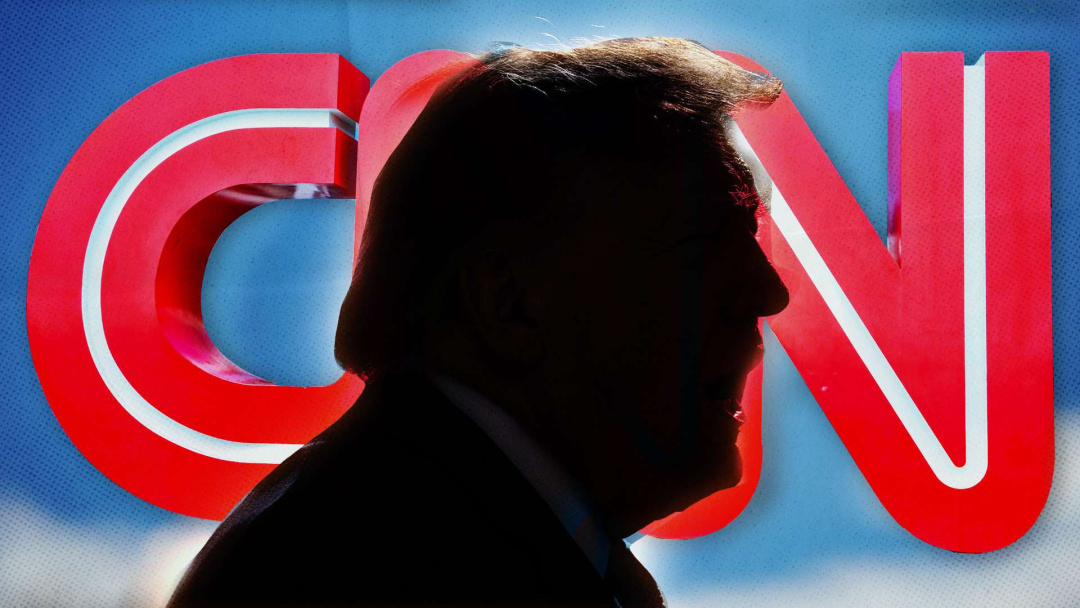
On September 18, President Donald Trump announced a ban on CNN, MS NOW, and Politico from the White House, citing their coverage as "FAKE NEWS" filled with "FICTION and LIES." He characterized their reporting as "purposely negative" and "one-sided." However, when these outlets challenged the ban in federal court three days later, the government's lawyers shifted the narrative, claiming the ban was intended to protect national security.
U.S. District Judge Timothy J. Kelly, appointed by Trump, issued a temporary restraining order against the ban on September 24, expressing skepticism about the government's justification. The plaintiffs pointed out that Trump himself had reverted to his original reasoning in a September 28 interview, where he lamented the negative portrayal of his presidency, stating, "It's just bad story after bad story," and insisted that he should not have to endure constant negative press.
The legal arguments presented by the government included claims that the news outlets had threatened national security by publishing sensitive information. However, the plaintiffs contended that Trump's continued public statements contradicted this rationale, reinforcing their argument that the ban was a retaliatory action against them for their critical coverage. Judge Kelly noted that the administration had provided little evidence to support its national security claims, suggesting that the motivation for the ban was not genuinely about protecting national interests.
Attorney General Todd Blanche attempted to clarify the administration's stance during an appearance on ABC's This Week, asserting that the negative coverage from these outlets constituted a national security problem. He argued that misinformation could harm relationships with foreign partners and enemies. However, his comments quickly shifted back to the notion of negative press rather than addressing any specific national security threats.
Questions Surrounding National Security Claims
Blanche's reasoning appeared vague, as he failed to articulate a coherent connection between the alleged misinformation and national security. He emphasized the need for accurate reporting but did not elaborate on how the ban would achieve that goal. This lack of clarity raises questions about the administration's ability to justify its actions in a legal context.
The ongoing legal proceedings highlight the complexities of balancing press freedom with governmental authority. As the case unfolds, it remains to be seen how the courts will navigate the intersection of First Amendment rights and the government's claims of national security. The implications of this case could have lasting effects on the relationship between the press and the executive branch, particularly regarding the treatment of media outlets that are critical of the administration.
Final Assessment
As the legal battle continues, the focus will likely remain on the First Amendment implications of Trump's actions. The court's skepticism regarding the national security justification suggests that the administration may face significant challenges in defending its position. The outcome of this case could set important precedents for how the government interacts with the media and the extent to which it can impose restrictions based on perceived threats to national security.
In conclusion, the controversy surrounding Trump's ban on CNN, MS NOW, and Politico underscores the ongoing tension between press freedom and governmental authority. As the legal proceedings progress, the implications for both the media and the administration will be closely monitored, with potential ramifications for future interactions between the two.