Wisconsin-Madison's Role in China's Vehicle Surveillance Technology
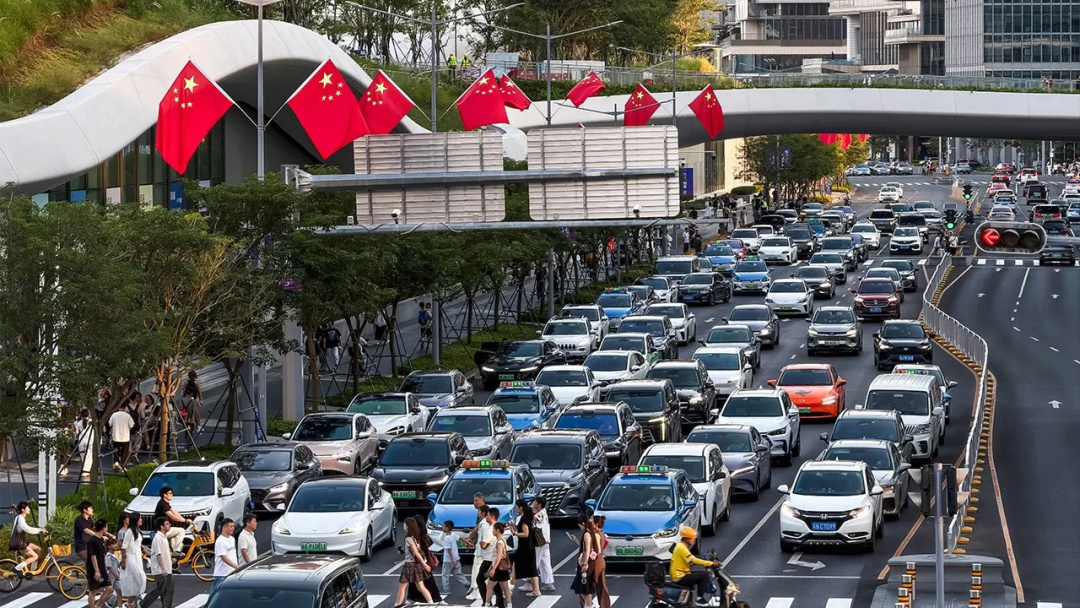
Researchers at the University of Wisconsin-Madison have been linked to the development of vehicle technology in collaboration with China's Ministry of Public Security. This technology, known as vehicle-road-cloud integration, allows for real-time monitoring of traffic and can enable authorities to send commands to connected vehicles. The implications of such technology have raised alarms among U.S. officials, who fear it could lead to a surveillance state similar to that in China.
The Commerce Department has taken steps to restrict certain connected-vehicle technologies from China and Russia, citing concerns that foreign adversaries could exploit these systems to gather sensitive information about American drivers or manipulate their vehicles remotely. The report detailing this collaboration highlights the potential risks associated with the integration of U.S. research into technologies that may serve broader surveillance purposes.
In 2016, a partnership was established between UW-Madison and Southeast University in China, focusing on intelligent transportation and connected vehicles. This partnership led to the creation of a joint research institute, which has since been involved in projects related to vehicle-road-cloud technology. However, the extent of UW-Madison's involvement in this initiative has been contested, with some claiming that the institute was never fully operational.
Research Contributions and Ethical Implications
Despite these disputes, the report indicates that UW-Madison researchers contributed to a Chinese industry report on cooperative automated driving, which raises questions about the transfer of technology and knowledge to China. While Strategy Risks, the organization behind the report, does not accuse UW-Madison of intentionally aiding China's surveillance efforts, it emphasizes that the research conducted has inadvertently supported the development of technologies with dual-use capabilities.
Clearance Granted
As China continues to advance its connected-vehicle initiatives, U.S. officials remain vigilant about the potential security implications. The integration of vehicle-road-cloud technology into national standards in China has prompted concerns that such systems could be used for surveillance and control, posing risks not only to privacy but also to national security.
The ongoing dialogue about the balance between technological advancement and privacy rights is critical as these developments unfold. The collaboration between U.S. institutions and foreign entities in sensitive areas like surveillance technology necessitates careful scrutiny to prevent unintended consequences that could compromise individual freedoms and national security.