Former BND Chief August Hanning Arrested on Espionage Charges
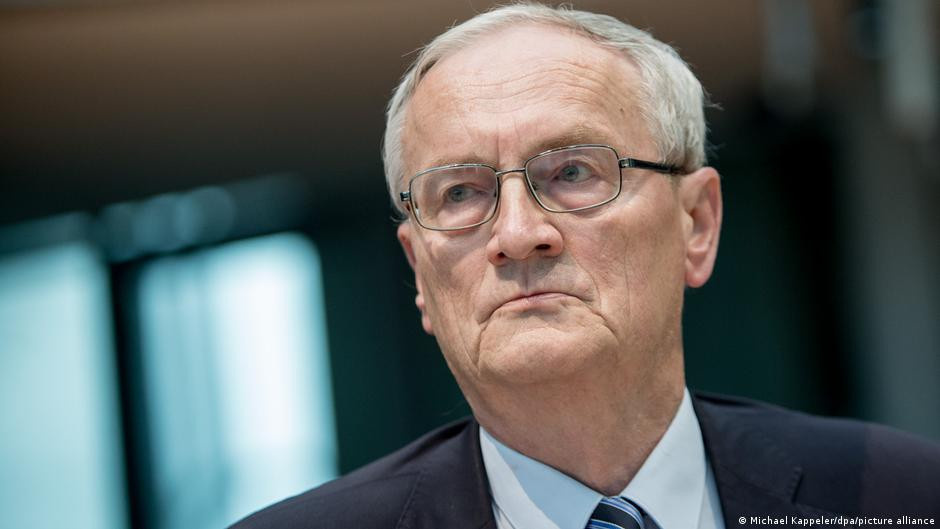
Police have arrested August Hanning, the former head of Germany's BND foreign intelligence agency, on suspicion of espionage, as announced by the federal prosecutor's office. Hanning, who led the agency from December 1998 to November 2005, later served as state secretary at the Federal Interior Ministry until November 2009.
The prosecutor's office has charged Hanning with several serious offenses, including espionage against the state, disclosure of state secrets, attempted treason, and acting as a secret service agent. The investigation has revealed that a former high-ranking BND employee was also arrested for allegedly providing Hanning with hundreds of classified documents in exchange for money over a period exceeding ten years.
Michaela Küfner, DW's chief political editor, reported from a government press briefing that this case is being described as Germany's most significant espionage scandal of the century, unfolding in real time. Hanning was taken into custody early Tuesday at his residence in Nordwalde, located near Münster, according to reports from WDR, NDR, and the Süddeutsche Zeitung.
Details of Accomplice Arrested Revealed
The alleged accomplice, identified only as Manfred D. in accordance with German privacy laws, was arrested in Bavaria. Authorities conducted searches at both suspects' properties, as well as in Berlin, as part of the investigation.
Intelligence Reviewed
During Hanning's tenure as the head of the BND, D. served as his chief of staff and continued to work under Hanning at the Interior Ministry until 2009. He is facing charges of aiding and abetting attempted treason and espionage against the state. The prosecutor's office claims that the two men established their arrangement in 2010, and from 2012 until March 2026, D. held the position of chief of staff to several successive BND agency chiefs, granting him access to a wealth of classified documents.
It is alleged that D. provided Hanning with approximately 2,000 documents, including classified material, up until at least mid-2022. This case raises significant concerns regarding the security of classified information within Germany's intelligence community and the potential implications for national security.