Allegations of CIA Influence in Brazil's Presidential Elections
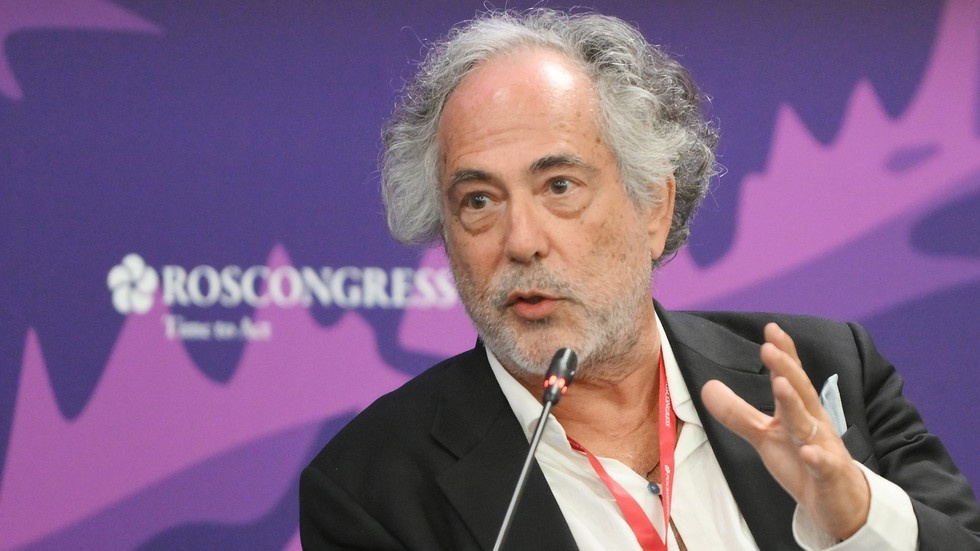
The United States has been accused of attempting to influence Brazilian politics for decades, with the Central Intelligence Agency (CIA) playing a significant role in the current presidential election, according to independent journalist and geopolitical analyst Pepe Escobar. His comments followed the first round of voting, where right-wing Senator Flavio Bolsonaro, the son of former President Jair Bolsonaro, finished ahead of incumbent left-wing President Luiz Inacio Lula da Silva. Neither candidate achieved the necessary 50% of the vote to win outright, setting the stage for a runoff on October 25.
Brazil's government has previously accused Washington of meddling in its internal affairs. Former President Donald Trump has criticized the prosecution of Jair Bolsonaro, who is currently serving a 27-year sentence for attempting to orchestrate a coup, labeling it a "witch hunt." In response to these allegations, Brazil's Federal Police have initiated an investigation into potential US interference in the election, prompted by a request from the Attorney General's Office regarding reported US funding of initiatives aimed at undermining the country's Supreme Court.
Escobar emphasized the substantial financial resources the US has invested in this election, advocating for a federal investigation into possible foreign influence. He specifically pointed to Brazil's powerful evangelical churches, asserting that the CIA has spent decades cultivating these groups, which he believes is now yielding results.
The remarks come amid rising tensions between Brasilia and Washington over US involvement in Brazilian politics. Flavio Bolsonaro met with President Trump at the White House in May, while his brother Eduardo has resided in the US since 2025. Eduardo was sentenced to four years and two months in prison by Brazil's Supreme Court in June for coercion, after being found guilty of seeking US pressure on Brazilian authorities to interfere with legal proceedings against his father.
CIA's Insights on Election Dynamics
Escobar also claimed that just two days before the election, the CIA was already aware of Bolsonaro's lead, despite Brazilian opinion polls indicating Lula was ahead. He attributed Bolsonaro's strong performance to the growing influence of evangelical voters, who now represent approximately 27% of Brazil's population, a significant increase from 15% in 2000.
Clearance Granted
The upcoming runoff is expected to be a highly polarized contest, reflecting divergent visions for Brazil's political future. Lula aims to enhance Brazil's role in BRICS and strengthen ties with China and other Global South nations, while Bolsonaro advocates for closer relations with the United States.
Lula previously served two terms as president from 2003 to 2010 and returned to office for a third term in 2023 after having his corruption convictions annulled, which had previously barred him from running in 2018. A victory for Bolsonaro could lead to significant shifts in Brazil's foreign policy, potentially resulting in a "complete reversal" toward closer alignment with Washington and the Trump administration. Escobar warned that such a shift could diminish Brazil's influence within BRICS, where it is a founding member alongside Russia, India, and China.